
A collection of love letters, some centuries old and previously unseen, are now on display at the National Archives in London, revealing tales of romance, sacrifice, and forbidden affection. The exhibition, titled “Love Letters,” showcases correspondence spanning over 500 years, including a desperate plea to Queen Victoria for the release of Oscar Wilde.
In 1895, Lord Alfred Douglas, known as “Bosie,” penned a fervent letter to Queen Victoria, imploring her to pardon his lover, Oscar Wilde. Wilde had recently been sentenced to two years of hard labor for “gross indecency” following revelations of his relationship with Douglas by Douglas’s own father. The letter, described by curators as demonstrating a “deep admiration and affection” for Wilde, beseeched the Queen: “Do you not wish to save this man who, even if guilty, has already been punished a thousand times more cruelly than he deserves?”
Despite a tumultuous relationship, Bosie’s letter underscores his profound feelings for Wilde, who later lived in exile in Paris after his release. Douglas himself would later distance himself from Wilde and the ensuing scandal. Saul Nassé, Director of the National Archives, noted the significance of the letter, stating, “Men desire men and women desire women: that was surprising to me.” Victoria Iglikowski-Broad, the exhibition’s curator, emphasized the letter’s importance in representing queer relationships, adding, “The letter is important because there aren’t many of them.” She explained that such letters were often confiscated as evidence in prosecutions and subsequently archived, making their public display possible today.
The exhibition also features a poignant “Last Lettar” from Robert Dudley to Queen Elizabeth I, written shortly before his death in 1588. Dudley and Elizabeth had known each other since childhood, and their relationship was the subject of persistent rumors throughout her reign. Elizabeth ultimately declined to marry Dudley, even after his wife died, fearing the damage to her reputation. However, Dudley remained a steadfast figure in her life. The letter concludes with the words, “From your most faithful and obedient servant.” Upon Elizabeth’s death in 1603, the letter was found beside her bed, inscribed with the notation “His Last Lettar.”
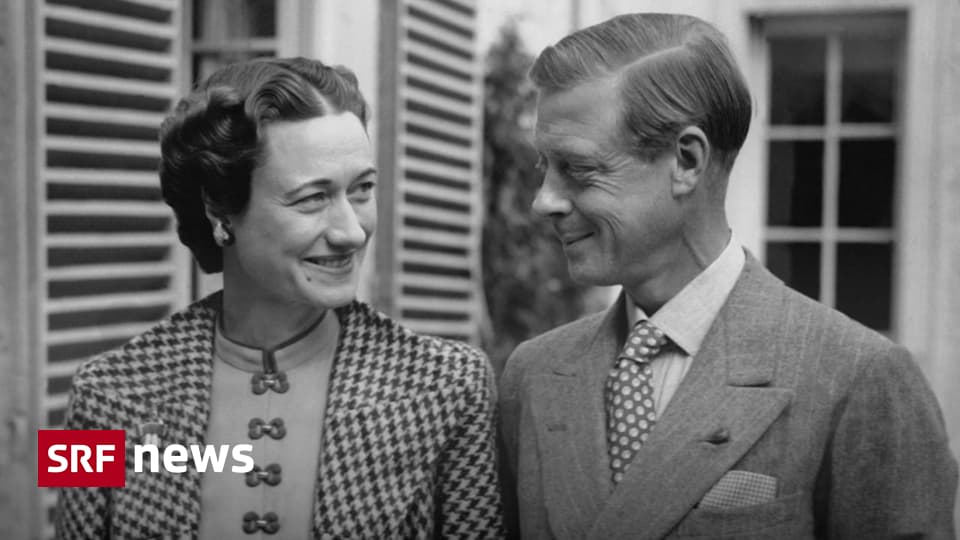
Perhaps the most dramatic example of love influencing historical events is represented by the abdication of King Edward VIII. In December 1936, Edward relinquished the throne after just 326 days, largely due to his desire to marry Wallis Simpson, an American divorcée. As head of the Church of England, the King faced insurmountable obstacles in marrying a twice-divorced woman. In his abdication speech, Edward declared it impossible to fulfill his duties without “the help and support of the woman I love.”
Nassé highlighted the historical weight of the abdication document, stating, “It was one of the great love affairs of the 20th century – and it shows how a personal relationship became a matter of state.” The document, signed by Edward and his brothers, stands as a testament to the profound impact of his decision on British history. Following his abdication, Edward became the Duke of Windsor and lived in exile with Simpson.
Beyond these famous examples, the exhibition also explores less celebrated love stories, including correspondence between couples separated by war or work. Iglikowski-Broad noted the importance of showcasing friendships alongside romantic love, stating, “I think friendship is an often-overlooked aspect of love. It’s about emotional feelings that you can only express with friends.” She expressed hope that the exhibition would encourage visitors to reach out to those they love, not just romantic partners, and to communicate their feelings.
