
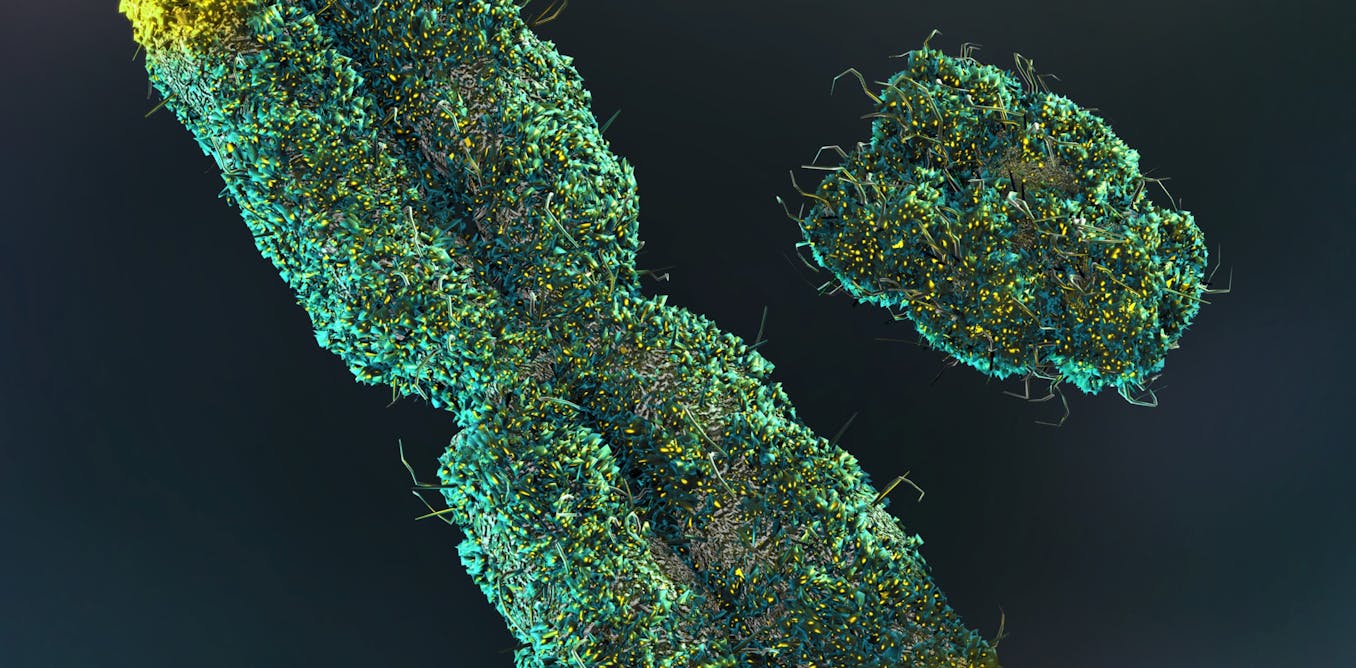
Men are increasingly losing their Y chromosome as they age, a phenomenon once considered benign but now linked to a growing list of serious health problems, including heart disease, cancer and even increased risk of death from COVID-19. Modern research confirms that this loss, known as mosaic loss of Y (mLOY), is far more common than previously thought, affecting 40% of men by age 60 and rising to 57% by age 90.
For decades, the Y chromosome was largely dismissed as carrying limited genetic information beyond determining maleness. Its relatively small size – just 51 protein-coding genes – led scientists to believe its loss wouldn’t significantly impact health. However, mounting evidence suggests otherwise. The loss isn’t a complete disappearance of the Y chromosome from all cells, but rather a mosaic pattern where some cells retain it while others do not. These Y-less cells, researchers have found, can proliferate faster than their counterparts.
A recent, large-scale German study, analyzing data from nearly 1,700 men undergoing cardiac catheterization, revealed a stark correlation between mLOY and cardiovascular health. Men over 60 with a high frequency of Y chromosome loss had a 50% higher probability of dying from a heart attack. The study, conducted by researchers at Goethe University and University Medicine Frankfurt, suggests that cells lacking the Y chromosome release inflammatory substances that contribute to heart tissue scarring.
The implications extend beyond heart disease. Researchers have identified a link between mLOY and increased risk of various cancers. The Y chromosome contains several genes that function as cancer suppressors, and their absence in some cells may contribute to tumor development. Loss of Y has been observed within cancer cells themselves, potentially driving malignancy, particularly in eye melanoma, which is more frequent in men.
The connection between mLOY and health problems isn’t necessarily straightforward. Scientists acknowledge the difficulty in establishing causation. It’s possible that underlying health conditions contribute to Y chromosome loss, or that a third, unidentified factor influences both. However, a mouse study offered a potential direct link: transplanting Y-deficient blood cells into irradiated mice resulted in increased age-related pathologies, including poorer cardiac function and heart failure.
While the Y chromosome is often described as “gene-poor,” researchers are discovering that several of its genes, though present in duplicate on the X chromosome, play crucial regulatory roles. The absence of a second copy in Y-less cells may disrupt gene expression and cellular function. The Y chromosome contains numerous non-coding genes, which, though not translated into proteins, appear to control the activity of other genes, potentially impacting immune function and blood cell differentiation.
The full sequencing of the human Y chromosome only recently completed, leaving much to be discovered about its precise functions and the mechanisms by which its loss contributes to disease. Further research is underway to pinpoint the specific genes responsible for the observed health effects and to explore potential interventions to mitigate the risks associated with mLOY.
