
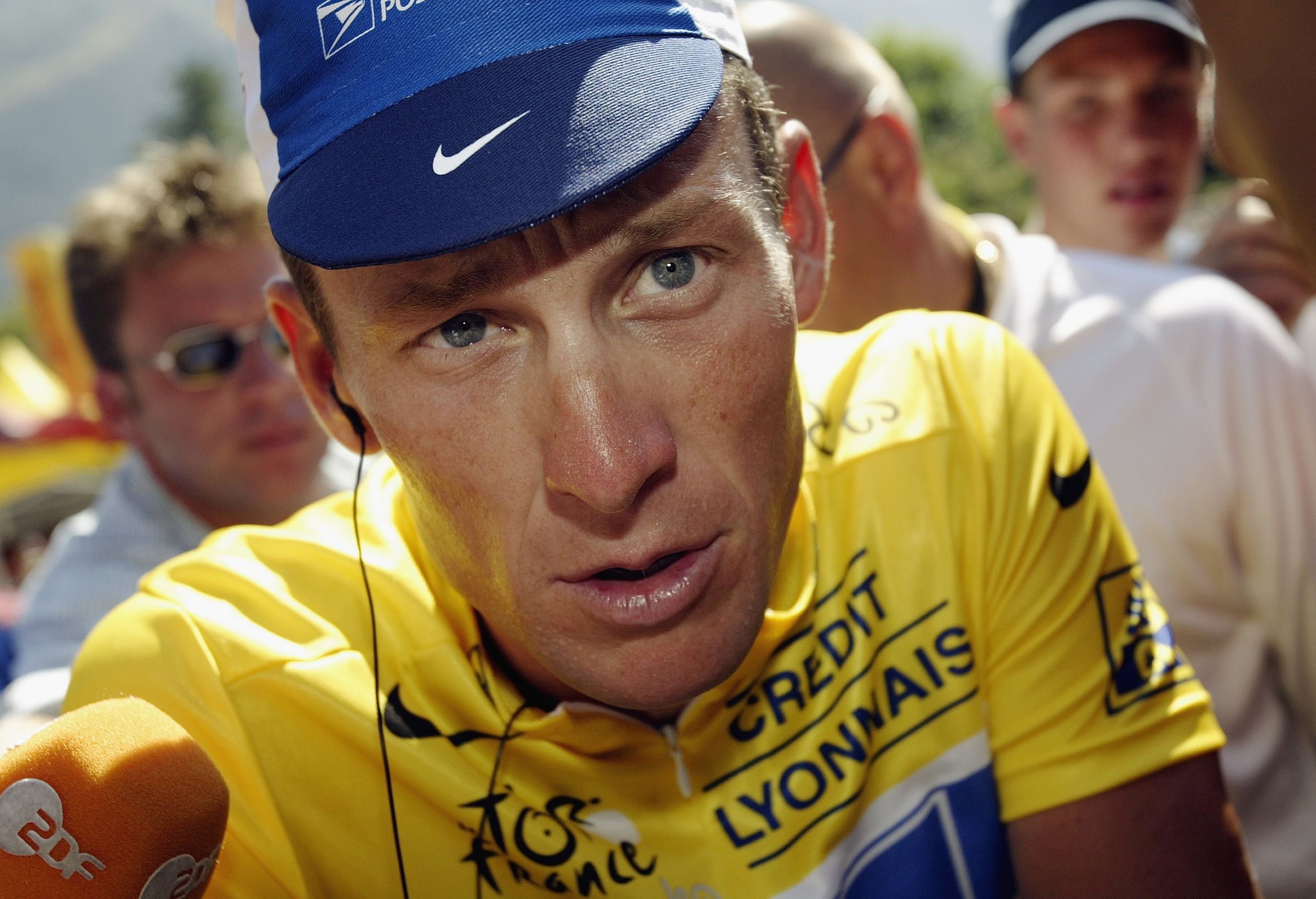
A new biopic about disgraced cyclist Lance Armstrong is in development, with Austin Butler – recently nominated for an Academy Award for his portrayal of Elvis Presley – set to star. Edward Berger, director of the critically acclaimed “All Quiet on the Western Front” and “Conclave,” will direct the film, which has secured the rights to Armstrong’s life story and will involve the cyclist himself.
The announcement has already drawn reaction from the cycling community, many of whom remember the period of Armstrong’s dominance and subsequent downfall. Armstrong’s career was built on a foundation of deception, as he led the most-tainted era of cycling, winning a record seven Tour de France titles, all later stripped due to widespread doping. His story extends beyond the sport, encompassing celebrity relationships and appearances before US presidents, making him a prominent figure in American culture.
This is not the first attempt to dramatize Armstrong’s life. Previous films include the 2013 documentary “The Armstrong Lie,” “Stop at Nothing” (2014), “The Program” (2015), and “Lance” (2020). However, this project is a scripted drama, differentiating it from the previous documentary-style approaches. The rights to Armstrong’s story and his involvement in the production suggest a potentially different perspective.
The news has prompted debate about whether another retelling of Armstrong’s story is necessary, particularly for those who experienced the fallout from his doping scandal firsthand. The sport of cycling has struggled to overcome the shadow cast by Armstrong, and the continued focus on his story does little to alleviate lingering suspicions about doping within the sport.
Despite the controversy, a successful film could potentially generate renewed interest in cycling. The sport often struggles with accessibility for new fans, and a high-profile film could introduce a wider audience to the complexities and challenges of professional cycling. The recent “Tour de France: Unchained” series, intended to offer a behind-the-scenes look at the sport, was cancelled before gaining significant traction, highlighting the difficulty of capturing public attention.
Whether the film will accurately portray the sport remains to be seen. A compelling and accurate depiction of cycling could attract new fans, but a misrepresentation could further alienate potential viewers. The project’s success hinges on its ability to balance the dramatic narrative of Armstrong’s life with a respectful and insightful portrayal of the sport itself.
