
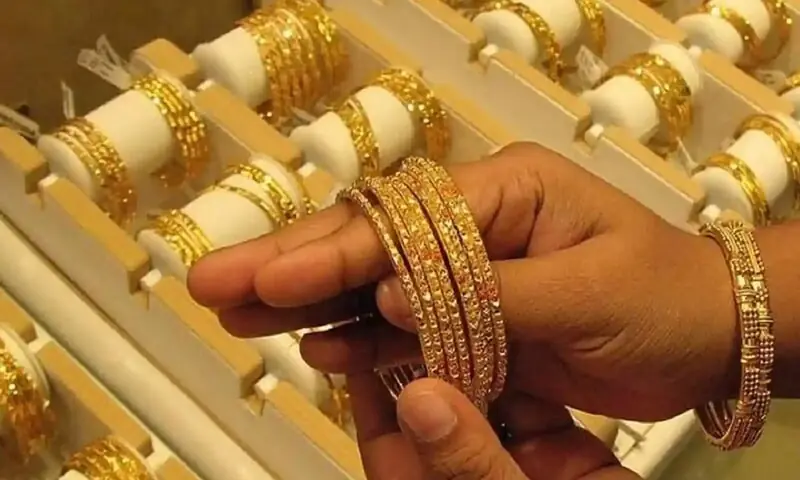
Gold Market Dynamics in Pakistan: Investor Activity, Price Fluctuations, and affordability Concerns
The Pakistani gold market is currently experiencing a complex interplay of factors, including profit-taking by investors, anticipation of further global price increases, and a significant decline in demand from genuine jewelry buyers due to escalating costs. This confluence of events is shaping a market increasingly dominated by speculative activity,raising concerns about affordability and the long-term health of the industry.This article provides an in-depth analysis of the current situation, exploring the underlying drivers, recent price trends, and potential future outlook for the gold market in Pakistan.
Recent Price Movements and Investor behaviour
As of late January 2026, the price of gold in Pakistan has reached significant levels, prompting a shift in investor behavior. According to reports, some investors who initially purchased gold when prices ranged between Rs450,000 and Rs455,000 per tola (approximately 11.66 grams) are now realizing profits by selling thier holdings. [^1] This profit-selling activity is a natural response to substantial gains, allowing investors to capitalize on favorable market conditions.
However, this selling pressure is being counterbalanced by renewed buying interest from other investors who believe global gold prices will continue to rise. This anticipation is fueled by several global economic factors, including geopolitical instability, inflationary pressures, and the potential for currency devaluation. [^2] The dynamic between profit-taking and speculative buying is creating volatility in the domestic market, wiht prices fluctuating in response to both local and international cues.
The Impact of Rising Prices on Jewelry Demand
The meteoric rise in gold prices is having a detrimental effect on demand from genuine jewelry buyers.The increasing cost of living in Pakistan, coupled with the soaring price of gold, is making it increasingly unaffordable for many consumers. This has led to a noticeable absence of retail buyers in the market, with trading activity now largely confined to investors.
This situation is particularly concerning for the jewelry industry, which relies heavily on consistent consumer demand. Jewelers are reporting significantly lower sales volumes, and many are struggling to maintain profitability. The decline in demand is also impacting related industries, such as gemstone trading and precious metal refining.
The affordability crisis is not unique to Pakistan. Globally, gold prices have been on an upward trajectory, driven by factors such as central bank purchases, safe-haven demand, and supply constraints. [^3] however,the impact is particularly acute in Pakistan due to the country’s economic challenges and the relatively low purchasing power of its population.
Global Factors Influencing Pakistani Gold Prices
the price of gold in Pakistan is heavily influenced by global market trends. Several key factors are currently driving international gold prices:
* Geopolitical Uncertainty: Escalating geopolitical tensions, such as conflicts and political instability, often lead to increased demand for gold as a safe-haven asset. [^4] Investors tend to flock to gold during times of uncertainty, driving up prices.
* Inflationary Pressures: Gold is frequently enough seen as a hedge against inflation, meaning its value tends to rise when the purchasing power of currencies declines. Persistent inflationary pressures in major economies are contributing to increased demand for gold. [^5]
* Interest rate Policies: Central bank interest rate policies can also impact gold prices. Lower interest rates typically make gold more attractive, as it offers a relatively higher return compared to interest-bearing investments. [^6]
* Currency Fluctuations: The strength of the US dollar,in particular,can influence gold prices. A weaker dollar generally makes gold more affordable for investors holding other currencies, increasing demand. [^7]
* Central bank Demand: Central banks around the world have been increasing their gold reserves in recent years, contributing to overall demand and supporting prices. [^8]
The Role of the US Dollar and International Markets
The price of gold is typically quoted in US dollars, making the exchange rate between the pakistani Rupee (PKR) and the USD a crucial factor in determining domestic gold prices.A depreciation of the PKR against the USD will invariably lead to higher gold prices in Pakistan, even if the international price of gold remains stable.
Pakistan imports a significant portion of its gold, primarily from Dubai and other international markets. [^9] Therefore, fluctuations in international gold prices and exchange rates directly impact the cost of imported gold, which is then reflected in the domestic market.
Future Outlook and potential Scenarios
The future outlook for the Pakistani gold market remains uncertain, with several potential scenarios unfolding.
* Continued Price Increases: If global economic uncertainty persists and inflationary pressures remain elevated, gold prices are likely to continue rising. This could further exacerbate affordability issues in Pakistan and lead to a continued decline in demand from jewelry buyers.
* Price Stabilization: If global economic conditions stabilize and interest rates rise, gold prices could stabilize or even decline. This would provide some relief to consumers and potentially stimulate demand from the jewelry sector.
* Increased Regulatory Scrutiny: The government may introduce measures to regulate the gold market and curb speculative activity. This could include increased taxes on gold transactions or stricter regulations on gold imports.
* Impact of Government Policies: Changes in government policies related to taxation, import duties, and foreign
