
“`html
Iran’s Supreme Leader Seeks Shelter Amid Rising US-Iran Tensions
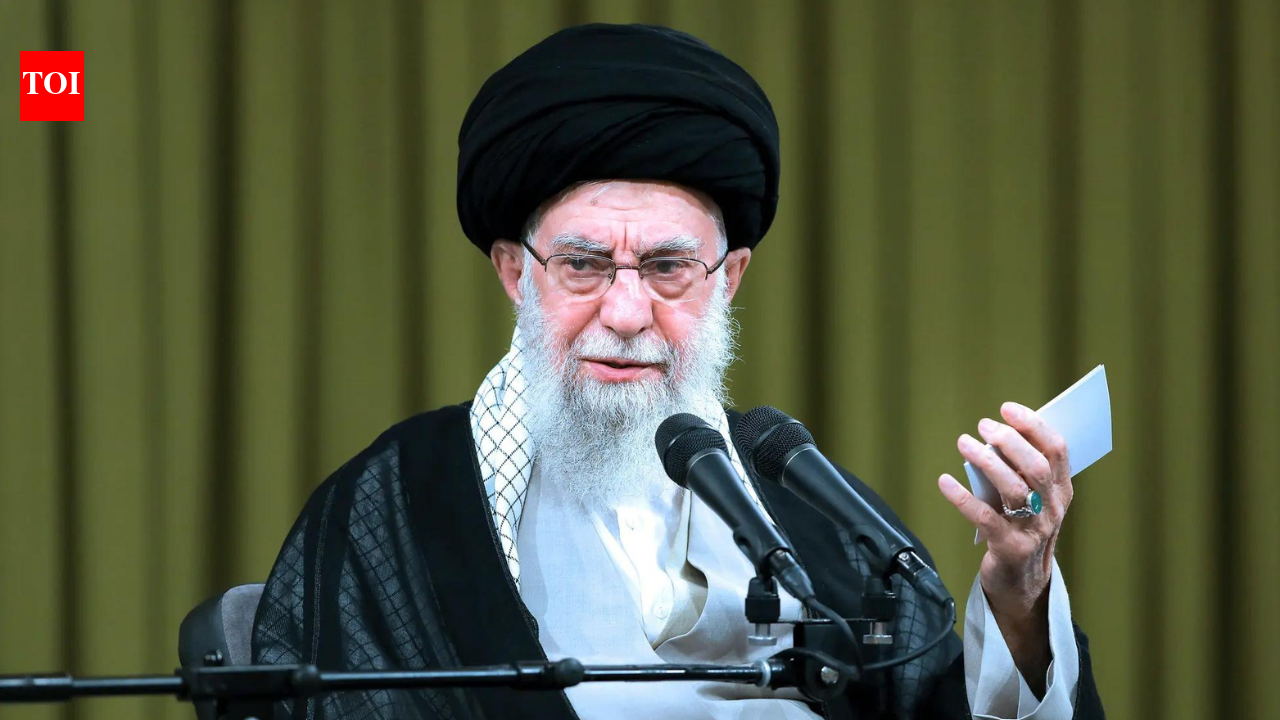
Recent reports indicate that Iran’s Supreme Leader, Ayatollah Ali khamenei, has relocated to a fortified underground shelter in Tehran. This move follows assessments from senior Iranian military and security officials regarding an increased probability of a potential United States attack. This development underscores the escalating tensions between the two nations, fueled by a complex web of geopolitical factors, including Iran’s nuclear program, regional proxy conflicts, and recent incidents in the Red Sea.This article delves into the reasons behind this heightened alert, the nature of the shelter, the historical context of US-Iran conflict, and potential implications for regional stability.
understanding the Heightened Threat Perception
The decision to move Ayatollah Khamenei to an underground bunker isn’t taken lightly. It signifies a genuine belief within the Iranian leadership that a direct military confrontation with the US is becoming increasingly likely. Several factors contribute to this perception:
- US Military Buildup in the Region: The United States has significantly increased its military presence in the Middle East, notably in the Persian Gulf and surrounding areas. This includes the deployment of aircraft carriers, warships, and fighter jets.
- Iran’s Nuclear Program: Despite ongoing negotiations, Iran continues to advance its nuclear program, enriching uranium to levels closer to weapons-grade. This is viewed by the US and its allies as a destabilizing force and a violation of previous agreements.
- proxy conflicts: Iran supports various proxy groups throughout the Middle East,including Hezbollah in Lebanon,Hamas in Palestine,and Houthi rebels in Yemen. These groups have engaged in conflicts with US allies, leading to indirect confrontations.The recent attacks by Houthi rebels in the Red Sea, disrupting global shipping, have further escalated tensions.
- Recent Incidents: A series of incidents involving attacks on US forces and interests in the region, attributed to Iran-backed groups, have prompted retaliatory strikes from the US. This cycle of escalation raises the risk of miscalculation and unintended consequences.
- Israeli Concerns: Israel, a key US ally, has repeatedly expressed concerns about Iran’s nuclear ambitions and its regional activities. Israel’s own military posture and rhetoric contribute to the overall sense of heightened alert.
The Role of the red Sea Crisis
The ongoing crisis in the Red Sea, triggered by Houthi attacks on commercial vessels, is a critical component of the current escalation. The Houthis, backed by Iran, claim their actions are in solidarity with Palestinians in Gaza. Though, the disruption to global trade routes has drawn a strong response from the US and its allies, who have launched Operation Prosperity Guardian to protect shipping lanes. This intervention directly challenges Iran’s influence in the region and increases the potential for direct confrontation.
inside the Iranian Leadership’s Underground Shelter
Details about the Iranian leadership’s underground shelters are closely guarded secrets. However, reports suggest that these facilities are extensive and highly fortified, designed to withstand a range of attacks, including conventional and perhaps nuclear strikes. Key features likely include:
- Deep Underground Construction: The shelters are located deep beneath the surface,providing protection from aerial bombardment and missile strikes.
- Self-Sufficiency: They are equipped with independent life support systems, including air filtration, water purification, and food supplies, allowing for prolonged periods of isolation.
- Secure Communications: The shelters have secure dialog networks,enabling the leadership to maintain contact with military and security forces.
- Command and Control Centers: They house command and control centers for coordinating Iran’s military and security operations.
- Redundancy: Multiple shelters exist in different locations throughout Iran, ensuring continuity of government in the event of an attack.
These shelters are not new; they were initially constructed during the Iran-Iraq War (1980-1988) when Tehran was frequently targeted by Iraqi air raids and missile attacks. They have been continuously upgraded and expanded over the years to address evolving threats.
Historical Context: US-iran Relations
The relationship between the US and Iran has been fraught with tension since the 1979 Iranian Revolution, which overthrew the US-backed Shah. Key events that have shaped this relationship include:
- The Iran Hostage Crisis (1979-1981): The seizure of the US embassy in Tehran and the holding of American diplomats hostage for 444 days severely damaged US-Iran relations.
- The Iran-Iraq War (1980-1988): The US provided support to Iraq during this conflict, further straining relations with Iran.
