
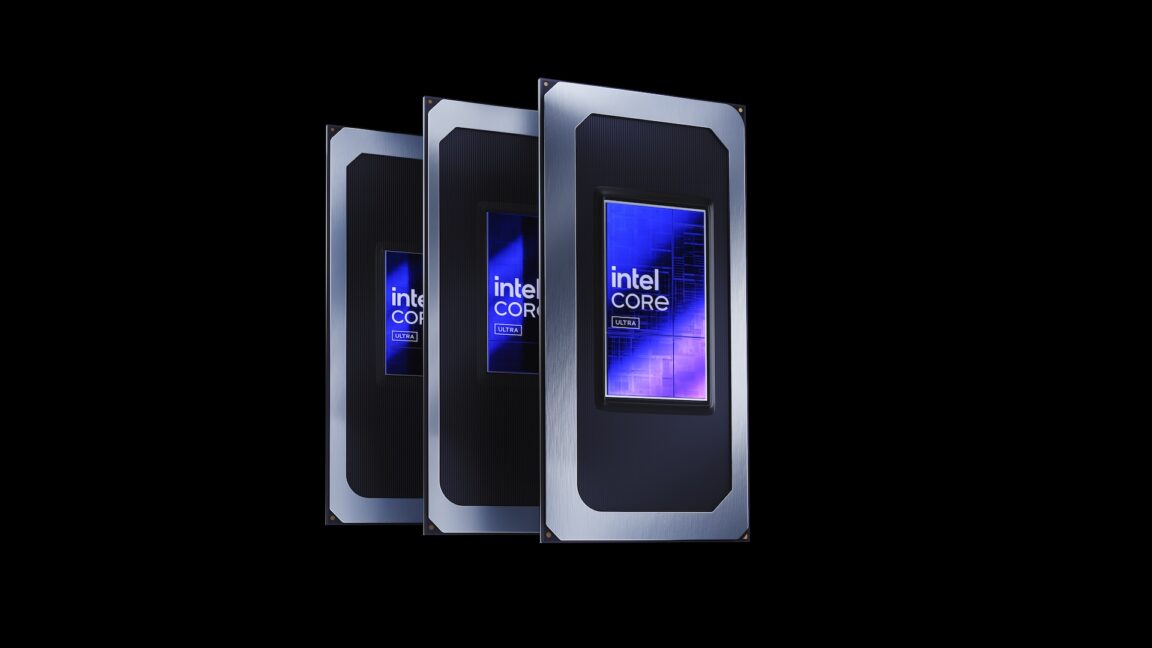
Intel’s Nova Lake: A Deep Dive into teh Future of Desktop and Laptop Processors
Intel is charting its course for the next generation of processing power with the Nova Lake architecture, slated for release at the end of 2026. While details remain under wraps, Nova Lake represents a meaningful step forward, poised to power both desktop and laptop computers. this contrasts with the concurrently developed Panther Lake,which will primarily focus on mobile platforms. A key element of Nova Lake’s development is the utilization of Intel’s advanced 18A process node, signaling a commitment to leading-edge manufacturing technology. This article provides a comprehensive overview of what we know about Nova Lake, its implications for the future of computing, and how it stacks up against Intel’s current and planned roadmap.
Understanding the Intel Roadmap: From Current to Next-Gen
To fully appreciate the significance of nova Lake, it’s crucial to understand Intel’s current processor families and their place in the broader roadmap. Currently, Intel’s 14th Generation Core processors (Raptor Lake Refresh) represent the pinnacle of the “Intel 7” process technology. https://www.intel.com/content/www/us/en/products/processors.html These are followed by the upcoming Arrow Lake processors, expected in late 2024/early 2025, which will leverage the intel 20A process.
Nova Lake, arriving in late 2026, then builds upon this foundation with the even more advanced 18A process. This progression demonstrates Intel’s commitment to a cadence of process node improvements, aiming to deliver increased performance and efficiency with each generation. The distinction between Nova Lake and Panther Lake is also significant. While both are next-generation architectures, Panther Lake is specifically designed for laptops, prioritizing power efficiency and mobility. Nova Lake, on the other hand, is intended to serve as the foundation for both desktop and laptop processors, suggesting a more versatile and powerful architecture.
The 18A Process: A Game Changer for Intel
The 18A process node is arguably the most critical aspect of the Nova Lake architecture. It represents a significant leap forward in manufacturing technology, promising substantial improvements in transistor density and performance.Intel has described 18A as a “major inflection point” in its process technology roadmap. https://newsroom.intel.com/news/intel-18a-process-technology-delivers-major-inflection-point-for-the-industry/
here’s what makes 18A so critically important:
* RibbonFET: 18A introduces RibbonFET, Intel’s implementation of gate-all-around transistor architecture. This design allows for more precise control of the channel, reducing leakage and improving performance. Conventional FinFET designs, used in current processors, are reaching their scaling limits, making RibbonFET a necessary evolution.
* PowerVia: The process also incorporates PowerVia, a backside power delivery network. This moves the power delivery infrastructure to the back of the wafer,freeing up space on the front for more transistors and improving signal integrity.
* Increased Density: The combination of RibbonFET and PowerVia allows for a significant increase in transistor density, meaning more processing power can be packed into the same area.
* Performance and Efficiency Gains: Intel anticipates that 18A will deliver substantial gains in both performance and power efficiency compared to previous process nodes.
these advancements are not merely incremental improvements; they represent a fundamental shift in how Intel manufactures processors, positioning them to compete effectively with rivals like TSMC and Samsung.
nova Lake Architecture: What to Expect
While Intel hasn’t released detailed specifications for Nova Lake, we can make informed predictions based on the current trajectory of processor development and the capabilities of the 18A process.
* Core Count: Expect a continued increase in core counts, potentially exceeding the 24 cores found in some current high-end desktop processors.The 18A process will enable Intel to pack more cores onto a single die without sacrificing power efficiency.
* hybrid Architecture: intel is likely to continue refining its hybrid architecture,combining Performance-cores (P-cores) for demanding tasks with Efficient-cores (E-cores) for background processes. This approach optimizes performance and power consumption.
* Integrated Graphics: Improvements to Intel’s integrated graphics (Xe architecture) are also anticipated. Nova Lake could feature a substantially more powerful integrated GPU, reducing the need for a dedicated graphics card for many users.
* Memory Support: Nova Lake will almost certainly support the latest generation of DDR5 memory, and potentially even DDR6, depending on its availability.
* PCIe 5.0/6.0: Support for PCIe 6.0 is highly probable, offering even faster data
