
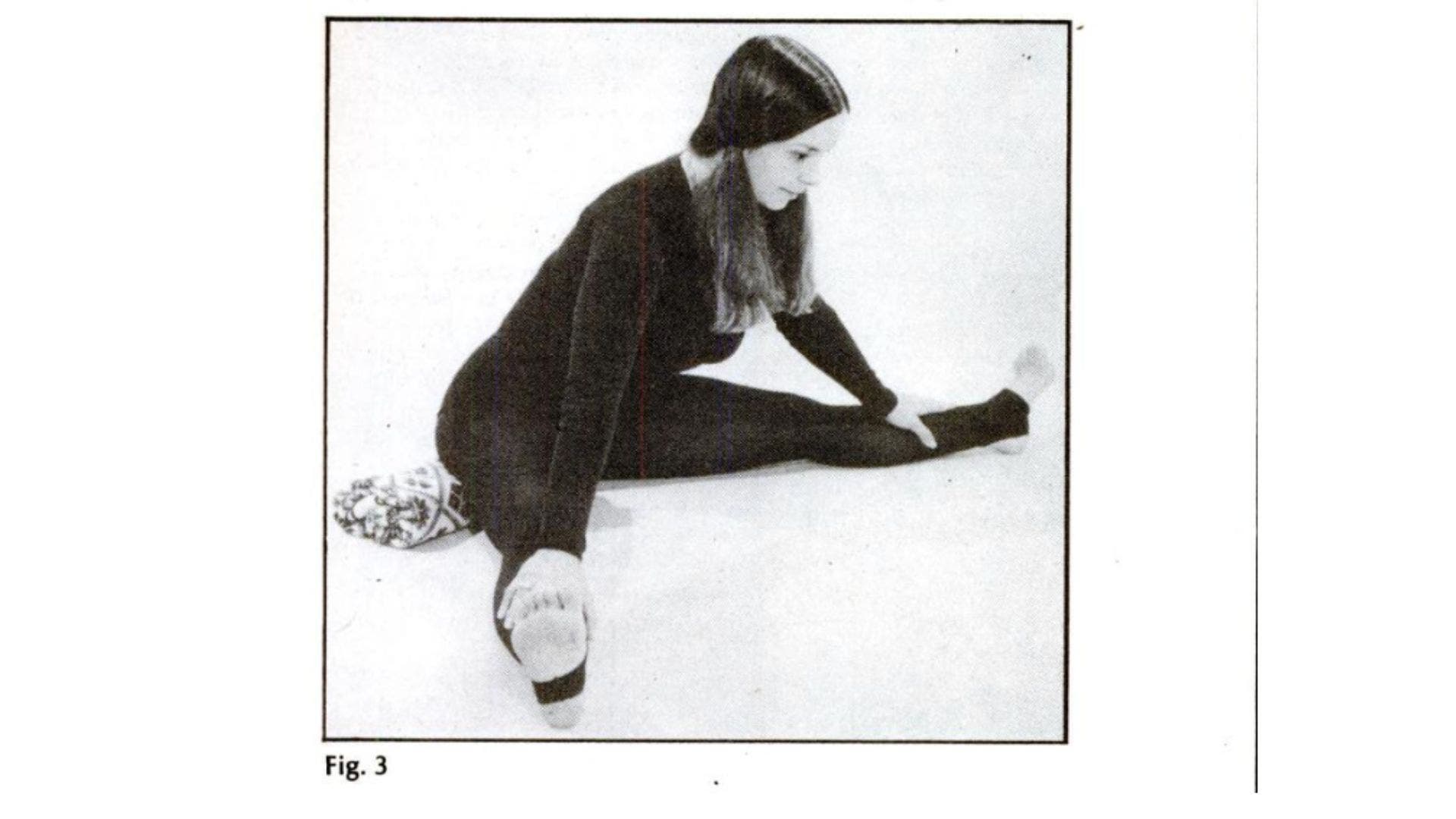
Summary of Upavistha Konasana (Wide-angled Seated Forward Bend) from teh Text
This text provides a thorough guide to Upavistha Konasana, covering technique, modifications, psychological aspects, and teaching considerations. Here’s a breakdown of the key takeaways:
Technique & Progression:
* Initial Stage: Sit with legs wide, focusing on keeping the back straight.Attempting to grasp toes with index and middle fingers is a starting point.
* Intermediate: Progress to bringing the chest towards the floor only if the back remains straight. Avoid rounding the spine.
* Assistance:
* Belts: Use belts to help maintain a straight back, especially with tight hamstrings. This allows focus on spinal extension and breath.
* Mat Under Buttocks: A firm mat under the sit bones encourages pelvic rotation, facilitating the forward movement of the chest.
* Wall Support: Lie with legs spread against a wall, or sit facing the wall and lean into it for support. Use arms to lift the spine.
* Key Focus: Maintaining a straight spine and keeping knees straight throughout the pose. Emphasis is on spinal extension on the exhale.
Psychological Aspects & Fear:
* Pelvic Opening & Fear: The pose can evoke fear related to the pelvic area, linked to creation, nurturing, and protection.
* Abhinivesa (Fear of Death/Injury): The text connects the fear experienced in this pose to the broader yogic concept of abhinivesa – clinging to life and fear of harm.
* Overcoming Fear: The key is to move slowly into the pose, using breath to release tension, and observing the fear without resistance. Trying to force through the fear can lead to injury. Acceptance and mindful movement create freedom.
Teaching Considerations:
* Muscle Imbalance Assessment: The pose can reveal imbalances between hamstring and adductor adaptability.
* Hamstrings vs. Adductors:
* Tight Hamstrings,Loose Adductors: Can achieve a wide leg spread but struggle with forward bends.
* Loose Hamstrings, Tight Adductors: Can do forward bends easily but struggle with the wide leg spread.
* Using Baddha Konasana (Bound Angle Pose) for Diagnosis: Comparing a student’s ability to perform Upavistha Konasana and Baddha Konasana can definitely help identify whether the limitation lies in the adductors or the hip joint itself.
* Progression: Start with simply sitting with a straight back and gradually work towards holding the pose for longer durations.
Overall Message:
Upavistha Konasana is presented not just as a physical stretch, but as an prospect for self-awareness, overcoming fear, and understanding the connection between the body, breath, and mind. the text emphasizes mindful practice, proper alignment, and respecting individual limitations.
