
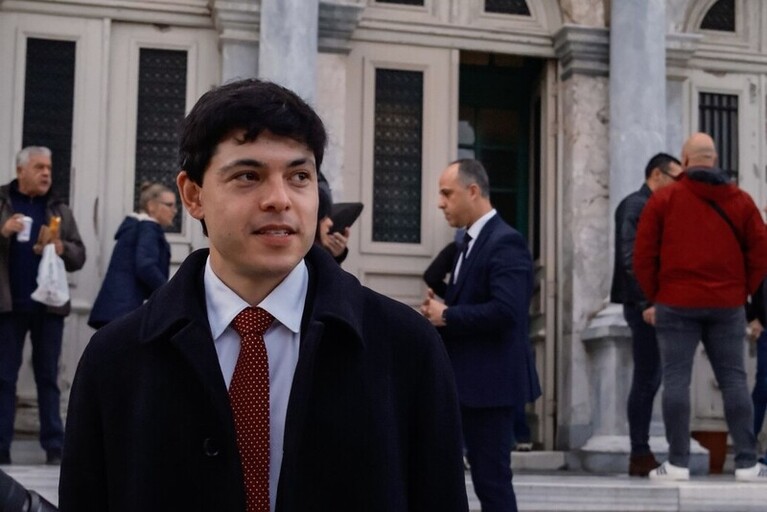
Acquitted: Rescue Volunteer Seán Binder Cleared of All Charges in Greece After Years-Long Legal Battle
Lesvos, Greece – January 15, 2026 – In a landmark decision hailed by human rights organizations, rescue volunteer Seán Binder has been acquitted of all criminal charges, including membership of a criminal organization, fraud, money laundering, and facilitating irregular entry. The ruling, delivered by the Court of Appeal of Lesvos, brings an end to a years-long legal ordeal that sparked international outcry and raised serious concerns about the criminalization of humanitarian aid in Europe.
A Case That Chilled Humanitarian Efforts
the charges against Binder, alongside 23 other defendants, stemmed from their work providing assistance to refugees and migrants arriving on the Greek island of Lesvos. For years, volunteers like Binder played a crucial role in filling gaps left by overwhelmed official services, offering essential aid such as food, water, and medical attention. However,authorities increasingly viewed their actions with suspicion,alleging involvement in smuggling networks and other criminal activities.
The case quickly became a focal point for concerns about the escalating crackdown on humanitarian assistance in Greece and across the European Union. Critics argued that the charges were politically motivated, designed to deter individuals and organizations from providing aid to vulnerable populations.Amnesty International, which closely monitored the trial, has consistently maintained that the accusations were baseless and a violation of essential human rights. Amnesty International previously called for the charges to be dropped, highlighting the chilling effect the prosecution had on other potential volunteers.
“An Obligation, Not a Crime” – Binder’s Response
Speaking after the acquittal, Seán binder expressed both relief and frustration. “The court reached the onyl decision it could today based on the limited legal basis of the charges and the flimsy evidence the prosecutor presented,” he stated. “It is a huge relief that I will not spend the next 20 years in a prison cell, but at the same time, it is troubling that this should ever have been a possibility.”
Binder emphasized the fundamental principle at stake in the case: “Today, it was made clear, as it should always have been, that providing life-saving humanitarian assistance is an obligation, not a crime. That using WhatsApp is normal, not evidence of criminality. That buying laundry machines for a refugee camp does not make someone a money launderer.This acquittal must set a precedent.”
International Condemnation and Calls for Reform
The initial charges and subsequent trial drew widespread condemnation from international human rights organizations and legal experts. Amnesty International’s Director of European Institutions Office, Eve Geddie, welcomed the acquittal but stressed that the prosecution should never have happened. “Sean’s human rights have been violated,and his life has remained on hold for many years,” Geddie saeid. “We hope today’s decision sends a strong signal to Greece and other European countries that solidarity, compassion and defending human rights should be protected and celebrated, not punished.”
Geddie further urged the European Union to strengthen safeguards against the criminalization of humanitarian assistance. “The EU must also take note of today’s decision and introduce stronger safeguards against the criminalization of humanitarian assistance under EU law,no one should be punished for trying to help.” This call echoes concerns raised in Amnesty International’s report, “Europe: Punishing compassion: Solidarity on trial in Fortress Europe”, which details the increasing trend of prosecuting individuals for providing aid to refugees and migrants.
The broader Context: Fortress Europe and the Criminalization of Solidarity
The prosecution of Seán Binder and other volunteers is part of a larger pattern of increasingly restrictive policies towards migration and humanitarian assistance within the european Union. Often referred to as “Fortress Europe,” these policies prioritize border control and deterrence, leading to the criminalization of acts of solidarity and the erosion of human rights protections for migrants and refugees.
This trend is fueled by a complex interplay of factors, including rising anti-immigrant sentiment, political pressure to reduce migration flows, and a securitization of borders. As a result, individuals and organizations providing essential aid are often caught in a legal gray area, facing accusations of facilitating illegal immigration or other offenses. The Binder case serves as a stark warning about the dangers of this approach and the need for a more humane and rights-based response to migration challenges.
What’s Next? Setting a Precedent for Humanitarian Action
the acquittal of Seán Binder represents a significant victory for human rights defenders and humanitarian workers. Though, the fight against the criminalization of solidarity is far from over. The case highlights the urgent need for legal reforms to protect those who provide assistance to vulnerable populations and to ensure that humanitarian action is recognized as a fundamental human right.
Moving forward, it is crucial that European governments and institutions learn from this case and adopt policies that prioritize compassion, respect for human dignity, and the protection of those seeking refuge.The acquittal of Seán Binder must serve as a precedent, signaling that providing life-saving assistance is not a crime, but a moral imperative.
Key Takeaways:
- Seán Binder, a rescue volunteer, has been acquitted of all charges in Greece after a years-long legal battle.
- The case sparked international concern over the criminalization of humanitarian assistance in Europe.
- Amnesty International and other organizations have condemned the prosecution as a violation of human rights.
- The acquittal is seen as a victory for human rights defenders and a call for legal reforms to protect humanitarian action.
- The case highlights the broader trend of “Fortress Europe” and the need for a more humane approach to migration.
For more information, contact Amnesty International or Free Humanitarians.
