
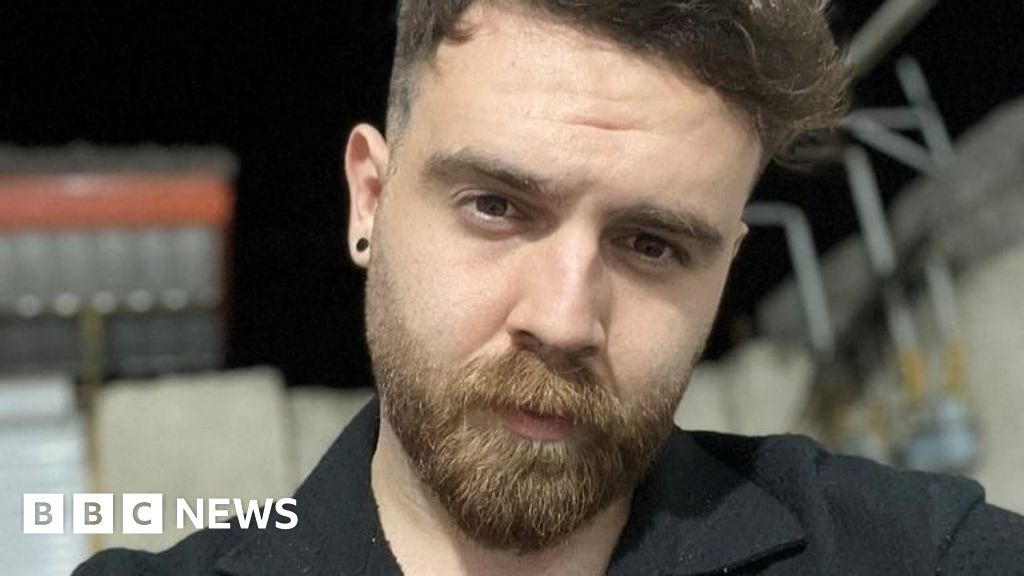
Iran Denies Execution Order Amidst Protests, Concerns for Detained Man Remain
Tehran is facing renewed scrutiny as reports surface regarding the potential execution of Erfan Soltani, a 26-year-old man arrested in connection with the ongoing protests sweeping across Iran. While Iranian authorities vehemently deny scheduling an execution, international human rights organizations and observers remain deeply concerned for Soltani’s safety and well-being. This situation unfolds against a backdrop of widespread unrest, a government crackdown, and a significant information blackout.
The Case of Erfan Soltani: Conflicting Accounts
The controversy began when Hengaw, a norway-based Kurdish human rights institution, reported that Soltani’s family had been informed he faced execution as early as Wednesday. This news sparked immediate international condemnation.Though, Hengaw later stated the execution had been “postponed,” while emphasizing that “serious and ongoing concerns” regarding Soltani’s life persisted.
Iranian authorities have countered these claims, asserting that Soltani faces charges of “colluding against national security” and “propaganda activities against the establishment” – offenses that, according to state broadcaster IRIB, do not carry the death penalty.The judiciary has labeled reports of a scheduled execution as a “blatant act of news fabrication.” Iranian Foreign Minister Abbas Araghchi further stated there was “no plan” to execute anyone.
despite official denials, discrepancies in the narrative continue to fuel anxieties. Hengaw reports that Soltani has been denied access to legal counsel and his family remains unaware of the specific charges levied against him. This lack of due process raises serious questions about the fairness of his detention and the transparency of the legal proceedings.
Conflicting arrest Details
Adding to the confusion, there are conflicting accounts of Soltani’s arrest. While Hengaw and his family state he was arrested at his home last Thursday in connection with protests in Fardis, a city west of Tehran, the judiciary claims he was arrested during “riots” on Saturday and is currently held in Karaj prison.This discrepancy highlights the challenges in verifying information coming from Iran,particularly during periods of heightened political tension.
The Broader Context: Protests and Crackdown
The unrest in Iran began following shopkeepers’ strikes in Tehran, initially protesting the rising cost of living and the devaluation of the Iranian currency. These economic grievances quickly evolved into widespread demonstrations against the country’s clerical establishment and Supreme Leader Ayatollah Ali Khamenei. Slogans such as “Death to the dictator” and “Seyyed Ali [khamenei] will be toppled this year” reflect the growing discontent among the population.
The government’s response has been forceful. Protests escalated last Thursday and were met with deadly force, accompanied by a near-total shutdown of internet and interaction services – a tactic frequently employed to suppress dissent and control the flow of information.
The Human Cost of the Protests
the human cost of the protests is staggering. According to the US-based Human Rights Activists News Agency (HRANA), at least 2,435 protesters have been killed since the unrest began, including 13 children. Additionally, 153 members of the security forces and government personnel have also lost their lives. HRANA further reports that over 18,470 individuals have been arrested in connection with the protests. These figures, while estimates, paint a grim picture of the scale of the violence and repression.
Iran’s chief justice, Gholam-Hossein Mohseni-ejei, has publicly advocated for the swift trial and punishment of those he labels as “rioters,” stating that those accused of severe acts of violence “must be tried and punished as quickly as possible.” This rhetoric raises concerns about the potential for expedited trials and harsh sentencing, further exacerbating the human rights crisis.
International Response and Concerns
The situation has drawn international attention and condemnation. Former US President Donald Trump warned of “very strong action” if Iran were to execute protesters, claiming his sources indicated a halt to planned executions. While the veracity of these claims remains unconfirmed, they underscore the international community’s concern over the escalating violence and potential for further human rights abuses.
The denial of due process, the lack of transparency, and the potential for politically motivated executions are raising alarm bells among human rights organizations worldwide. The case of erfan Soltani serves as a stark reminder of the risks faced by those who dare to challenge the Iranian government.
Looking Ahead
The situation in Iran remains volatile and unpredictable. While authorities deny plans for executions, the ongoing crackdown on dissent and the lack of transparency continue to fuel fears for the safety of those detained. The international community must maintain pressure on Iran to uphold human rights, ensure due process for all detainees, and allow for independent investigations into the violence and abuses committed during the protests. The world is watching,and the fate of individuals like Erfan Soltani hangs in the balance.
