
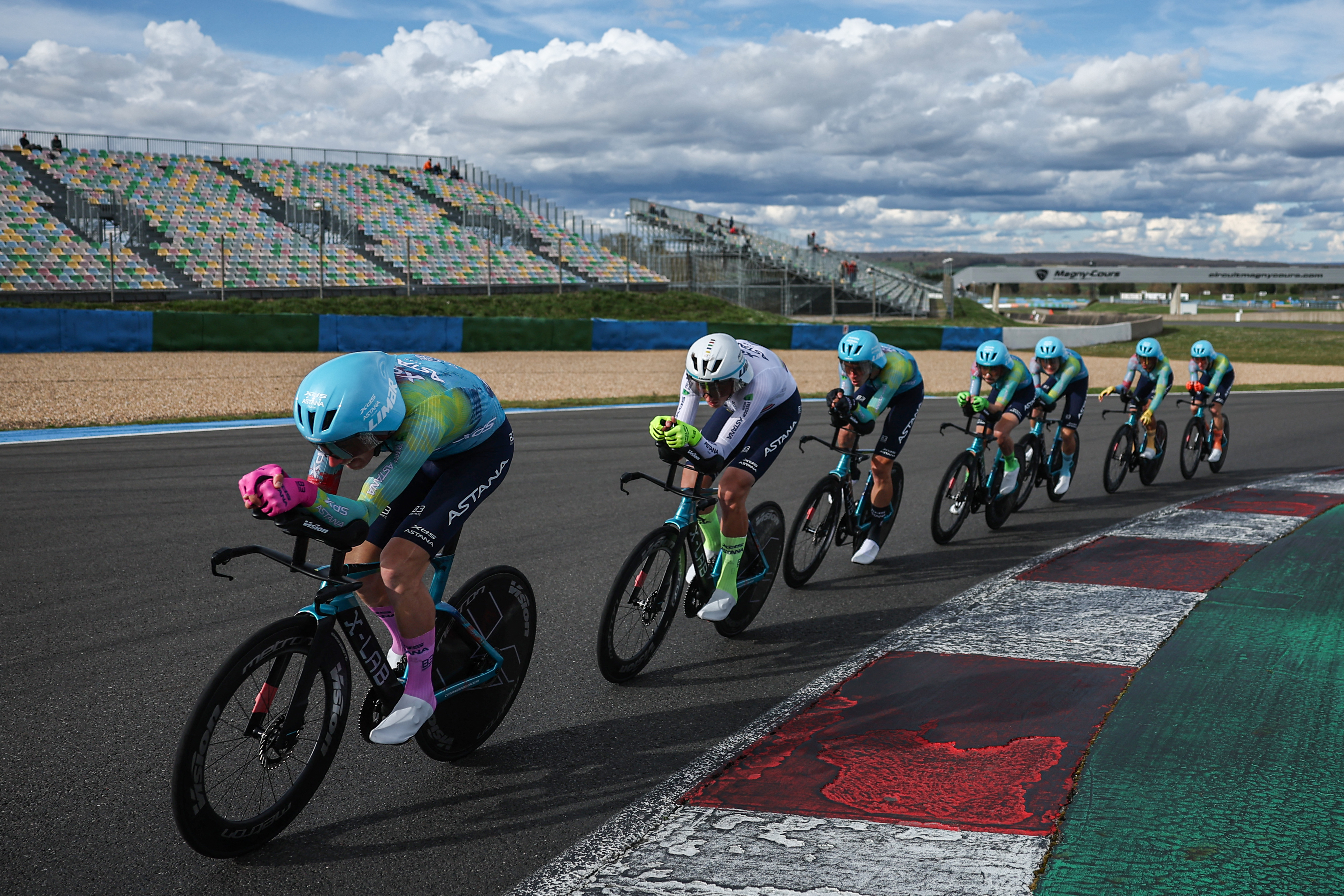
Calpe Training Camp: Inside XDS Astana’s Pre-Season Regimen
As the plane descends towards Alicante-Elche Airport,the anticipation builds. I’m en route to Calpe, specifically Altea, on Spain’s Mediterranean coast, to join XDS astana for their January training camp. The lighthearted banter about a “Jet2 holiday” from the friendly staff is a humorous contrast to the intense work that lies ahead. This isn’t a vacation, but it’s far from a typical workday, a carefully orchestrated logistical feat led by my colleague Francesca adn the entire team support staff.
The ritual of a professional cycling team’s camp is a unique one. For riders, it’s a semi-rockstar experience – a staff member greeting you at the airport and whisking away your luggage. This year, the role was reversed for me, a symbolic moment as I assisted Harold Tejada with his suitcase, marking a new chapter in my involvement with XDS Astana. But beyond the logistics,these camps represent a crucial period of preparation,a blend of rigorous training,team building,and fine-tuning for the season ahead.
The Allure of Calpe: A Cyclist’s Paradise
Calpe, and the Costa Blanca region in general, has become a magnet for professional cycling teams during the winter months. Sacalobra Cycling Club highlights the area’s appeal, citing its mild weather, smooth roads, and challenging climbs as key attractions.It’s a landscape that draws the world’s best riders year after year, offering an ideal habitat to build form and camaraderie before the racing season begins. The region’s popularity is evidenced by the presence of numerous teams choosing it as their base, creating a vibrant cycling community.
However, the choice of Calpe isn’t universal. Different teams adopt different approaches to winter training. When I rode for Team Sky (now Ineos Grenadiers), we favored a base in Alcudia, Mallorca, utilizing a rotational system to keep training groups small and manageable. Other teams, like Katusha-Alpecin, also preferred Mallorca, while NSN Cycling (formerly Israel-Premier Tech) opted for Girona, mirroring XDS Astana’s approach with two camps in December and january, excluding those preparing for the Tour Down Under or training at altitude.
The Movistar Method: A contrarian Approach
Interestingly, Movistar took a distinctly different path during my five years with the team – they eschewed winter training camps altogether. instead, they held a brief, four-day gathering in October or November focused on bike and kit checks, team meetings, and photos, then simply said, “See you at the races.” This unconventional approach initially drew criticism, but it proved remarkably successful, leading to numerous victories, particularly at La Vuelta.
The logic behind this strategy was multifaceted. Firstly, winter camps are incredibly expensive, possibly costing hundreds of thousands of euros depending on team size, covering flights, accommodation, and catering for 60 to 150 people. Eliminating this expense allowed Movistar to reinvest those funds into rider advancement, research, and other crucial areas. Secondly, the team believed that professional riders possess an inherent work ethic and discipline, requiring minimal supervision to maintain fitness. They trusted their riders to arrive prepared, and contracts were not renewed for those who failed to do so.Movistar prioritized rider well-being and recognized that many professionals already lived in suitable training locations or were comfortable utilizing indoor training tools like Zwift.
This approach also acknowledged the importance of rider happiness. A long season demands notable time away from home, and movistar believed that minimizing unnecessary disruption could lead to improved performance. Happy riders, they reasoned, are winning riders.
The XDS Astana Approach: A Holistic Strategy
While the ‘Movistar Methodology’ is intriguing, XDS Astana embraces a more customary camp structure, recognizing the unique benefits it provides. As one staff member put it, “There’s more than one way to skin a cat.” The goal is to find those marginal gains, and the January camp is a key component of that pursuit.
The benefits are numerous. the camp provides an chance for high-quality training, direct feedback from riders, and rapid adjustments to training plans. It fosters team cohesion, builds friendships, and allows for crucial face-to-face discussions regarding race strategy, equipment, and individual rider development. New riders are quickly integrated into the team dynamic.
Calpe’s infrastructure and climate make it an ideal location. It’s easily accessible, offers pleasant weather (though not as warm as the Canary islands), and boasts excellent terrain and road quality. The high volume of cyclists in the area also encourages drivers to be more aware and considerate.
Camp Structure and My Role
During the camp, the team is typically divided into smaller groups based on riding style – climbers, non-climbers, and those preparing for the Tour Down Under. Coaches meticulously plan each day’s routes and efforts,with the schedule encompassing training rides,massage sessions,bike fitting,and meetings.
My role centers around aero testing, bike fitting, time trial simulations, and providing one-on-one support to riders. I also utilize a moped to capture video footage during rides, gathering immediate feedback to optimize performance. This real-time analysis ensures that adjustments can be made quickly and effectively.
The atmosphere is intense, particularly in January, as riders push themselves to peak condition. The December camp often includes social activities to promote team bonding, but january is all business. the energy is palpable,and the satisfaction of seeing riders dial in their equipment and achieve strong results is immensely rewarding. The excitement is particularly evident in new recruits like Marco Schrettl, who are eager to embrace the opportunity to compete at the highest level.
Looking Ahead
As the captain announces our impending arrival, it’s time to stow the laptop and prepare to assist with luggage. The XDS Astana January training camp is about to begin, a crucial step in the journey towards a successful season. It’s a demanding but fulfilling experience, and I’m eager to contribute to the team’s pursuit of excellence. Nothing beats an XDS Astana Training Camp – and hopefully, you’ll be hearing that refrain throughout the 2026 season.
