
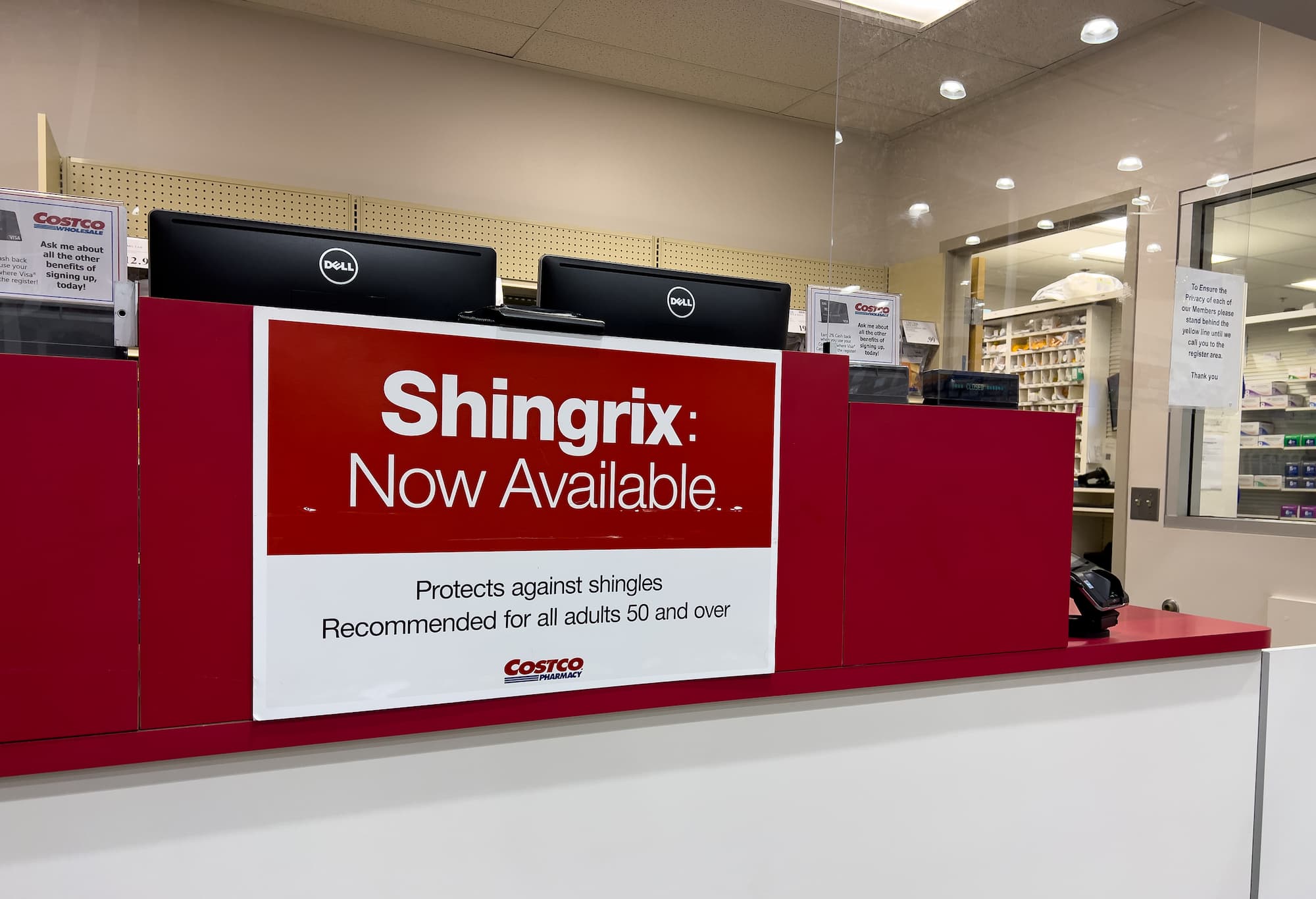
Shingles Vaccine Linked to Reduced Risk of Heart Disease, Dementia, and Death
New research reveals a surprising benefit of the recombinant zoster vaccine (RZV), commonly known as the shingles vaccine: a significant reduction in the risk of cardiovascular events, dementia, and even mortality. Presented at IDWeek 2025, the findings suggest that this vaccine, traditionally viewed as a preventative measure against a painful skin rash, may play a broader role in protecting overall health, particularly for adults aged 50 and older.
The Groundbreaking Research: A Large-Scale Analysis
Investigators lead by Ali Dehghani, DO, from Case Western reserve University’s School of Medicine, undertook a extensive analysis of health records from over 174,000 adults across numerous United States health systems [1]. Participants were followed for a period ranging from 3 months to 7 years after vaccination. Crucially, researchers compared outcomes between those who received the shingles vaccine and those who received the pneumococcal conjugate vaccine (PCV), a commonly administered vaccine against pneumonia. This comparative approach was designed to minimize potential bias and provide a more robust understanding of the shingles vaccine’s impact.
The results were compelling. Individuals who received the RZV demonstrated a 25% lower risk of heart attack or stroke, a 27% reduction in blood clot occurrences, a remarkable 50% decrease in the risk of vascular dementia, and a 21% lower risk of all-cause mortality [1]. These findings indicate a substantial protective effect beyond the vaccine’s primary function of preventing shingles.
Unraveling the connection: Shingles,Vascular Disease,and the Immune system
The emerging link between shingles and cardiovascular complications is gaining increasing attention within the medical community.Data from the American Heart Association,analyzing data from over 200,000 adults,revealed that individuals with a history of shingles faced a nearly 20% increased risk of future cardiovascular events [3]. This risk encompassed a 38% higher likelihood of stroke and a 25% increased risk of developing coronary heart disease, including heart attacks and the need for heart procedures [1].
While the exact mechanisms underlying this connection are still being investigated, several theories are emerging. The varicella-zoster virus (VZV), which causes both chickenpox and shingles, is thought to potentially trigger inflammation and damage to blood vessels. This vascular damage can contribute to the development of atherosclerosis—the buildup of plaque in the arteries—increasing the risk of heart attack and stroke. It’s also hypothesized that the inflammatory response associated with shingles may impact cognitive function, contributing to the increased risk of dementia.
Dr. Dehghani emphasizes the importance of viewing shingles not just as a localized rash but as a potential “systemic signal” of underlying vascular vulnerability. [2] This viewpoint highlights the need for a holistic approach to patient care, with shingles prevention considered alongside strategies for reducing cardiovascular and cognitive risks.
Why the Pneumococcal Vaccine Was Used for Comparison
The study’s design, utilizing the pneumococcal conjugate vaccine (PCV) as a comparator, was a purposeful choice by the researchers. Dr.Dehghani explained that comparing vaccinated individuals to unvaccinated individuals can often be misleading due to “healthy vaccinee bias”—the tendency for people who proactively seek preventative care to be generally healthier than those who do not. [2]
By including the PCV group, both groups demonstrated a commitment to preventative healthcare, offering a more accurate assessment of the shingles vaccine’s impact. As Dr. Dehghani succinctly put it, “It helps ensure we are not simply measuring ‘people who get vaccines do better’” [2].
Implications for Patient Care: A Pharmacist’s Perspective
Pharmacists are uniquely positioned to play a vital role in promoting shingles vaccination and educating patients about its broader health benefits. The recent research provides compelling evidence to support these conversations.
- Beyond Shingles Prevention: Pharmacists can emphasize that RZV offers potential protection against cardiovascular disease and dementia, in addition to preventing the painful rash of shingles.
- Protection Even After Shingles: Patients who have already experienced shingles can still benefit from vaccination, reducing their risk of recurrence and downstream complications. [1,2]
- Addressing Concerns About Side Effects: Pharmacists can proactively address patient concerns about potential side effects, emphasizing the overall safety profile of the vaccine and offering practical advice, such as scheduling vaccination around crucial events and staying hydrated.
- Promoting Vaccine Uptake: By identifying eligible patients and implementing reminder systems, pharmacists can help increase vaccination rates and improve public health.
Looking Ahead: The Need for Further Research
While these findings are highly encouraging, dr. Dehghani acknowledges the need for further research to confirm these associations and fully understand the underlying mechanisms. Future studies should focus on:
- Causal Designs: Investigating whether the shingles vaccine directly causes a reduction in cardiovascular and cognitive risks,rather than simply being associated with it.
- Dose Completion Analysis: Studying the impact of completing the full vaccine series.
- High-Risk Subgroups: Identifying specific populations who may benefit most from the vaccine.
Despite these remaining questions, the current evidence strongly supports the proposal for widespread shingles vaccination in adults aged 50 and older. Pharmacists, armed with this new understanding, can now counsel patients more effectively and advocate for a preventative approach to health that goes beyond simply treating illness.
