
Iran Protests: Trump Claims Executions Halted Amidst Rising Tensions and potential Military intervention
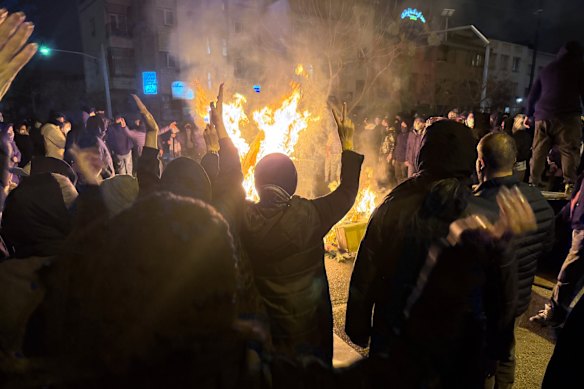
Teh situation in Iran remains volatile as protests continue following a recent surge in unrest sparked by economic hardship and escalating into broader anti-government demonstrations.Amidst reports of a brutal crackdown on protesters, with death tolls exceeding 2,500 according to rights groups, former U.S. President Donald Trump claimed on Thursday that he had been informed by “vrey notable sources” that plans for executions had been halted. This claim, however, stands in contrast to signals from Tehran indicating swift trials and potential hangings for those involved in the demonstrations.
Conflicting reports and International Response
trump’s statement, delivered without specifying the source of his information, was met with skepticism and conflicting reports. While he expressed hope that the information was accurate, he admitted uncertainty, stating, “Who knows?” Simultaneously, iran’s Foreign Minister, Abbas Araqchi, asserted on Fox News that “there is no plan for hanging at all,” claiming, “Hanging is out of the question.”
Despite Araqchi’s denial, the situation on the ground paints a different picture. Gholamhossein Mohseni-Ejei, Iran’s judiciary chief, has publicly called for swift justice, stating that over 18,000 detainees should be punished quickly through rapid trials and executions. “If we want to do a job, we should do it now,” he declared, emphasizing the perceived need for a swift and decisive response to quell the unrest.This stance has raised significant concerns among international human rights organizations.
Adding to the complexity, reports emerged suggesting potential U.S. military intervention. two European officials indicated that intervention could occur within 24 hours, while an Israeli official suggested Trump had already decided to intervene, though the specifics remained unclear. Bloomberg News reported that Trump had been briefed on various military strike options, including targeting non-military sites within Iran.
Escalating Tensions and Regional Implications
The current unrest represents the most significant wave of protests since the 1979 Islamic Revolution. The demonstrations, initially triggered by economic grievances, have evolved into a widespread challenge to the authority of the ruling clerical establishment.The Iranian government has blamed the unrest on foreign interference, accusing the U.S. and israel of supporting “armed terrorists.”
In response to the escalating tensions, Qatar has begun drawing down personnel from Al Udeid Air Base, the largest U.S. military base in the Middle East. Diplomatic sources indicate that Tehran has warned regional allies – including Saudi Arabia, the United Arab Emirates, and Turkey – that U.S. bases within their borders could be targeted if the U.S. attacks iran. Direct interaction between Iranian Foreign Minister Araqchi and U.S. Special Envoy Steve Witkoff has reportedly been suspended.
The situation is further complicated by an ongoing internet blackout within Iran, hindering the flow of information and making it tough to independently verify reports from the ground. The U.S.-based Human Rights Activists News Agency (HRANA) has documented the deaths of at least 2,403 protesters and 147 government-affiliated individuals,a figure that far surpasses previous instances of unrest in the country.
Past Context and contributing Factors
The current crisis unfolds against a backdrop of increasing economic hardship and regional instability. A 12-day Israeli bombing campaign last June, supported by the U.S., targeted Iran and its allies in Lebanon and Syria, exacerbating existing vulnerabilities. The restoration of UN sanctions over Iran’s nuclear program has further compounded the economic crisis, fueling public discontent.
While the Iranian government attempts to project an image of strength and public support through state-sponsored rallies and funeral processions, analysts suggest that the scale of the unrest has caught authorities off guard. Despite the violent crackdown, the government’s control appears to be tenuous, and the potential for further escalation remains high.
Looking Ahead
The situation in Iran remains highly fluid and unpredictable. Trump’s claims regarding halted executions require independent verification, and the potential for military intervention looms large.The coming days will be critical in determining whether diplomatic efforts can de-escalate the crisis or whether the region will be plunged into further conflict. The international community continues to monitor the situation closely, with a focus on protecting human rights and preventing further bloodshed.
Sources:
