
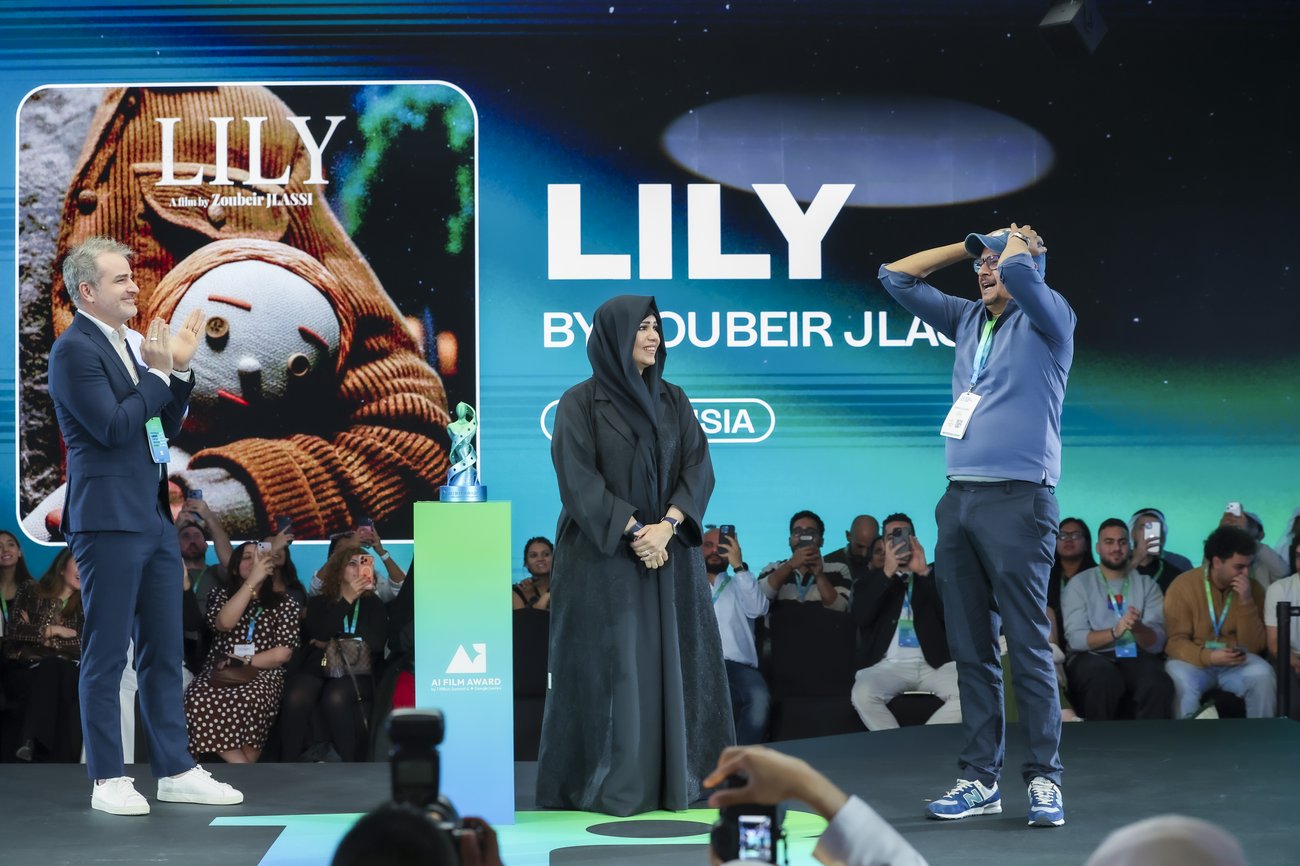
AI and the Future of Filmmaking: Tunisian director Wins Inaugural $1 million AI Film Award
The intersection of artificial intelligence and creative storytelling is rapidly evolving,and a recent competition has dramatically highlighted the potential of this partnership.Google’s inaugural AI Film Award, launched last September, has concluded with a powerful and moving winning film, signaling a potential paradigm shift in how movies are conceived and created. The award, which garnered over 3,500 submissions from across the globe, underscores the growing interest and accessibility of AI tools for filmmakers.
A Tunisian Visionary Takes the Top Prize with ‘Lily’
Zoubeir ElJlassi, a graphic designer and filmmaker from Tunisia, claimed the grand prize of $1 million, presented by the 1 Billion Followers Summit. His film, ‘Lily’, is a compelling narrative about an archivist whose life is irrevocably altered by the revelation of a doll at a hit-and-run site.the film delves into themes of guilt, secrets, and the silent witnesses that surround us, ultimately leading the protagonist towards confession and reconciliation.
According to the award’s judging panel – comprised of leaders in technology, content creation, and filmmaking – ElJlassi’s success wasn’t merely a demonstration of AI’s technical capabilities, but a masterful integration of technology to amplify a deeply human story. The film’s emotional resonance and artistic merit set it apart from a highly competitive field.
Google AI Tools Empower a New Wave of Filmmakers
The AI Film Award wasn’t just about recognizing creative output; it was also about introducing a suite of powerful AI tools to a new generation of filmmakers. eljlassi’s workflow exemplifies how these tools can be seamlessly integrated into a professional production pipeline. key among them where:
- Veo: Google’s Veo, a state-of-the-art video generation model, was crucial in establishing the distinct, melancholic visual aesthetic of ‘Lily’. Veo’s ability to generate consistent, high-quality video was foundational to setting the film’s atmosphere.
- Flow: Google’s Flow provided a refined level of control over scenes and character expressions. This precision was vital to ensuring the actors conveyed the necessary empathy and emotional depth.
- Gemini: Google’s Gemini assisted throughout the pre-production process, from initial storyboarding to refining the characters’ visual identities. Gemini’s capabilities proved invaluable in translating conceptual ideas into tangible elements.
The synergy of these tools highlights a future where AI doesn’t replace filmmakers, but rather augments their abilities, allowing them to focus on artistic vision while streamlining technical execution.
A Global Showcase of AI-Powered Storytelling
The competition’s shortlist demonstrated the remarkable diversity of cinematic expression enabled by AI. Films from around the world explored the award’s core themes of “Rewrite Tomorrow” and “the Secret Life of Everything”, offering unique perspectives and narratives:
- The Translator (USA): A poignant tale of connection with nature in a world grappling with environmental decline.
- Portrait No. 72 (Philippines): A heartwarming story centered on the bond between an elderly photographer and a young child.
- Cats like Warmth (South Korea): A thoght-provoking exploration of emotional understanding through the eyes of a robot.
- HEAL (Egypt): A futuristic narrative delving into the complexities of memory and the healing process.
this diverse selection demonstrates that AI-powered filmmaking isn’t limited by geographical boundaries or cultural perspectives. it empowers creators from all backgrounds to tell their stories in innovative ways.
What Does the Future Hold for AI in Cinema?
The success of the AI Film Award signifies a turning point in the film industry. By lowering the barriers to entry and providing access to powerful tools,AI is democratizing filmmaking and unlocking a new era of creative expression. The award proves that AI is not a threat to artistic integrity, but a powerful ally that can definitely help storytellers realize their visions with greater efficiency and impact.
As AI technology continues to advance, we can expect even more sophisticated tools that further blur the lines between human and artificial creativity. The ongoing collaboration between Google and the 1 billion Followers Summit signals a sustained commitment to fostering innovation in the space, promising an exciting future for filmmakers and audiences alike. The question now is not if AI will transform cinema, but how, and what new and compelling stories will emerge consequently.
