
Leading Through Crisis: Lessons from Malawi’s The Nation Newspaper
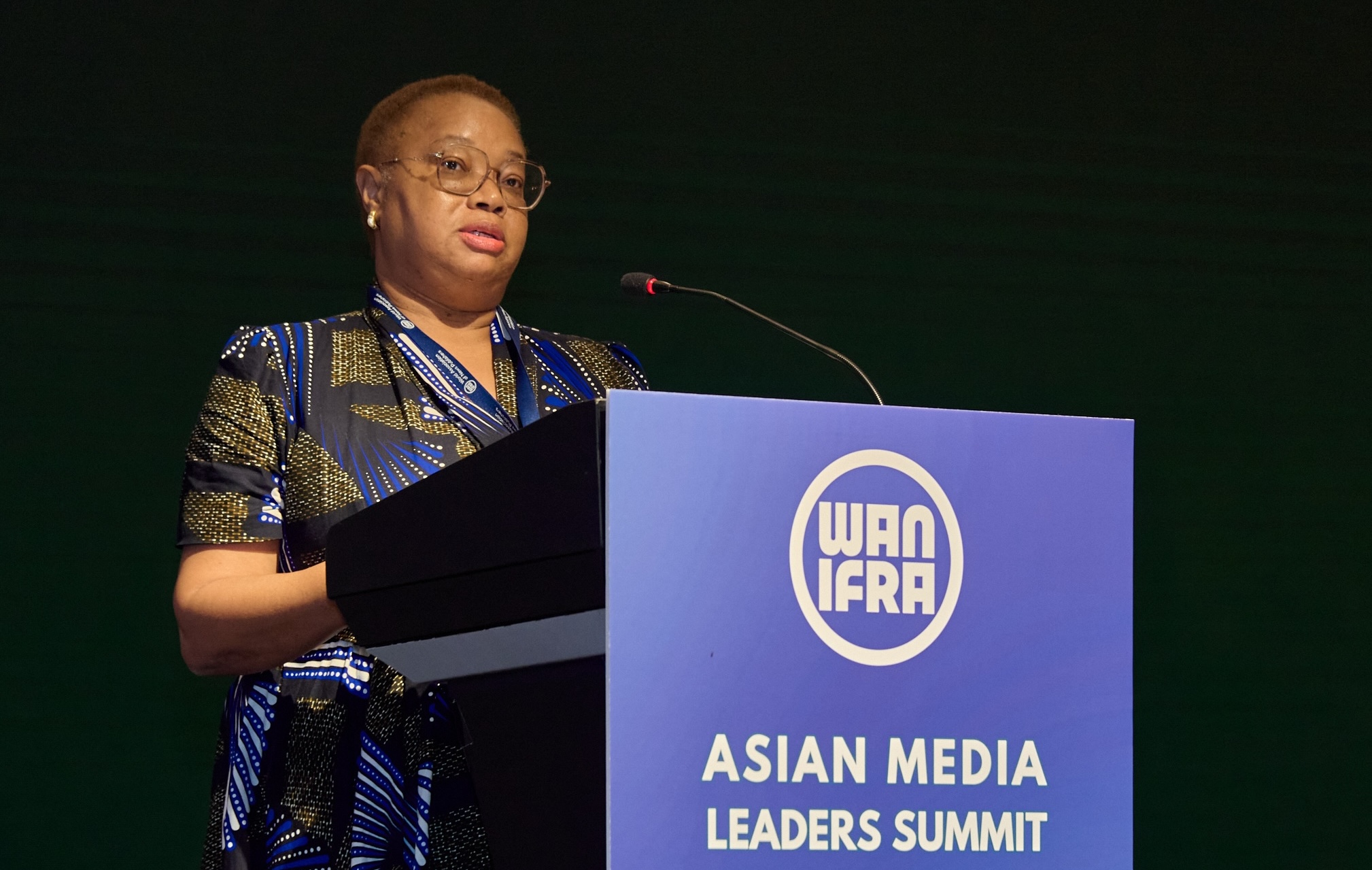
true leadership isn’t about possessing all the answers, but about fostering an environment of calm and confidence that empowers teams to find solutions. This principle, articulated by Mbumba Banda, CEO of Nation Publications Limited, has been central to the survival and success of The Nation, one of Malawi’s leading newspapers. Speaking at the Asian Media Leaders Summit in Singapore, Banda shared the story of how her publication navigated two significant crises – a government-imposed advertising ban and the disruptive forces of the COVID-19 pandemic and the digital revolution – and the key leadership lessons learned along the way.
A History Forged in Independence
The Nation’s story is inextricably linked to the dawn of independent media in Malawi. Following the end of a 30-year dictatorship in 1993, a wave of new newspapers emerged, with fifteen launching that year alone. Remarkably,The Nation stands as the sole survivor of that initial burst of freedom,a testament to it’s resilience and commitment to its founding principles. This historical context is crucial, as the newspaper’s very identity was shaped by a dedication to nation-building and holding power accountable.
The ‘Podium Pronouncement’ Crisis: Standing Firm Against Pressure
Fifteen years after its founding, The Nation faced an existential threat when the government reacted strongly to its critical reporting. In a stunning display of pressure, a public decree was issued instructing all government entities and employees to cease advertising with, or purchasing, the newspaper. This action, as Banda explained, promptly eliminated 65% of The Nation’s revenue stream, along with associated business from those fearful of government repercussions.
Despite this devastating blow, The Nation refused to compromise its editorial stance.This unwavering commitment, rooted in its mission to contribute to nation-building, proved to be a turning point. Rather than buckling under pressure, the newspaper’s staff rallied around its core values. This dedication resonated with the public, leading to an outpouring of support in the form of increased readership, partnerships, and sponsorships. After two years of struggle, the government ban was lifted, and The Nation emerged stronger, more respected, and with a larger following.
The key takeaway from this crisis? “The key in journalism is always stick to what you stand for,” Banda emphasized. “If what you stand for ensures your fidelity to the people, you will get their support.” This principle highlights the importance of a strong ethical foundation and a clear sense of purpose in navigating external pressures.
Navigating the COVID-19 Pandemic and Digital Disruption
The second major crisis to confront The Nation arrived with the COVID-19 pandemic. Compounding the challenges of the pandemic itself, Malawi experienced a significant economic downturn. This double blow resulted in a roughly 50% decrease in circulation and a 30% drop in advertising revenue.
while The Nation had embraced digital media, revenue from these platforms remained limited, accounting for less than 10% of total income. The traditional legacy media model continued to be the primary source of revenue. Unlike the first crisis, which galvanized staff through a shared sense of purpose, building unity during the pandemic required a more deliberate effort. The company invested in a process, facilitated by external consultants, to define and reinforce a shared set of values among its employees.
Key Principles of Crisis Leadership: A Framework for Resilience
Banda outlined six core principles that guided The Nation through these turbulent times. These principles offer valuable insights for any institution facing significant challenges:
1. Doubling down on the “Why”
A clear sense of mission is paramount. While the political crisis naturally united the staff, the economic crisis necessitated a conscious effort to build shared values and reinforce the newspaper’s purpose.
2. Communicating with Clarity and Transparency
Open and honest communication is essential for building trust and allaying fears. Banda advocated for “overcommunication,” repeatedly sharing key messages and providing updates throughout the crisis. This approach helps to dispel rumors and inspire hope.
3. Encouraging Continuous Learning
In a rapidly evolving media landscape,upskilling and reskilling are crucial. The Nation established a dedicated learning department to provide employees with the tools and knowledge they needed to adapt to the “new normal.”
4. Fostering Cross-Functional Collaboration
Complex challenges require diverse perspectives and expertise. Banda emphasized the importance of forming cross-functional teams to leverage the skills and knowledge of employees across different departments, particularly in areas like revenue generation.
5. Prioritizing People and Well-being
Emotional intelligence is critical for effective leadership. Banda stressed the importance of remaining calm and confident, practicing empathy, and celebrating even small wins to maintain morale and foster a positive work environment. Protecting job security, even during a recruitment freeze, demonstrated a commitment to employee well-being.
6. Guaranteeing Steady Leadership
Leaders must be both a source of stability and a beacon of humility. Banda emphasized the importance of being open to input from all levels of the organization,recognizing that solutions can come from anywhere. Trust, psychological safety, and a collaborative approach are essential for navigating uncertainty.
Ultimately, Banda concluded, leadership in a crisis is about being a “reliable compass” – reminding the team of their purpose, providing direction, and inspiring hope, rather than pretending to have all the answers.
The Future of Journalism: Adaptability and Trust
The story of The Nation offers a powerful lesson in resilience, adaptability, and the enduring importance of journalistic integrity. In an era of rapid change and increasing challenges for the media industry, the principles outlined by Mbumba Banda provide a valuable roadmap for navigating uncertainty and building a sustainable future. The ability to remain true to one’s core values,prioritize people,and foster a culture of continuous learning will be essential for media organizations seeking to thrive in the years to come.
