
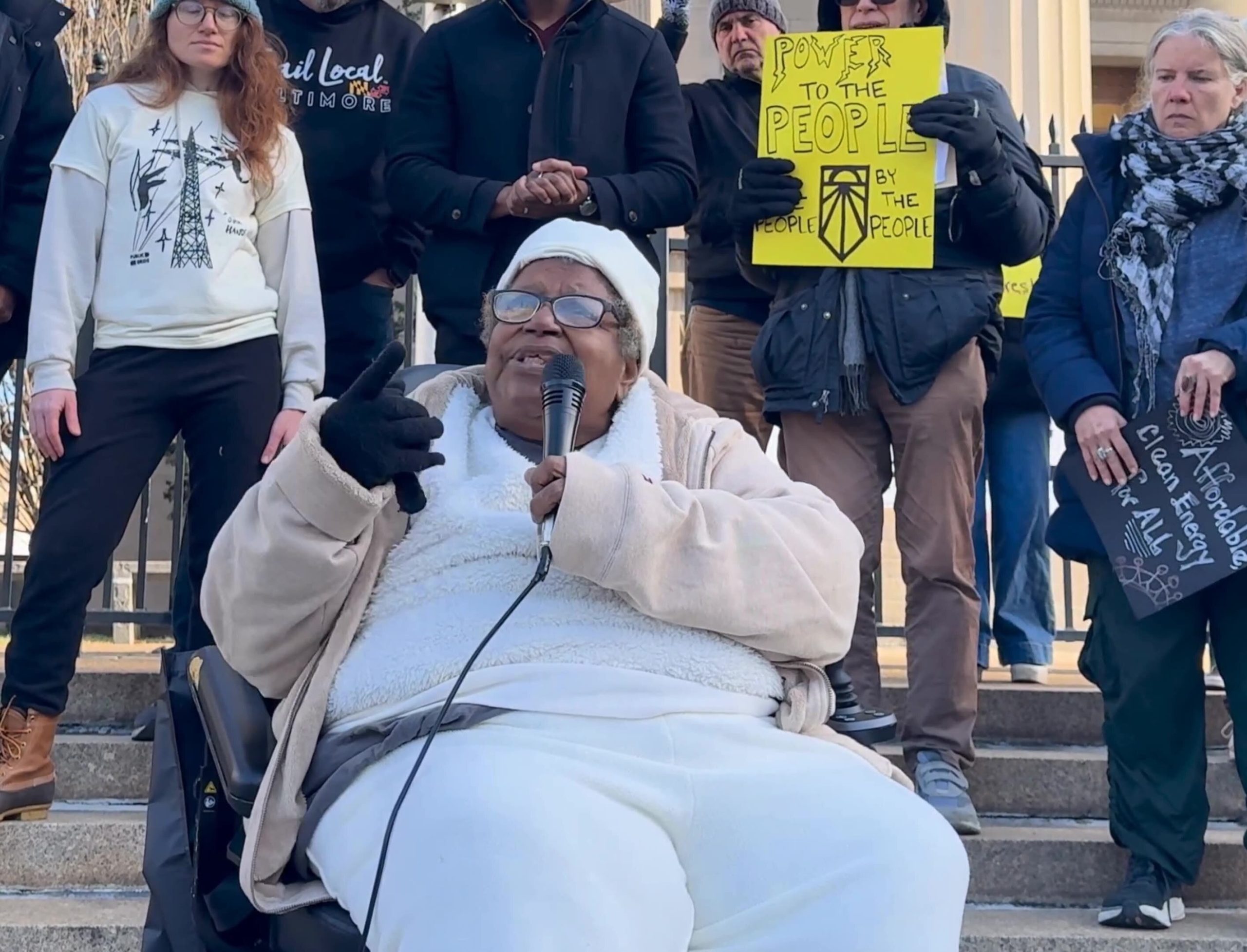
Summary of Arguments for Public Power in Baltimore
This transcript details a powerful call for public ownership of Baltimore’s energy grid, currently controlled by BGE (baltimore Gas and Electric). Here’s a breakdown of the core arguments made by various speakers:
1. Affordability & Basic human Right:
* Unaffordable Bills: Speakers consistently highlight the struggle of residents to afford energy bills, forcing unachievable choices between necessities like rent, food, medication, and heat. Examples given include bills reaching thousands of dollars, even for public housing tenants.
* Energy as a Right: Several speakers frame access to energy not as a commodity, but as a basic human right, essential for existence and societal participation.
* BGE’s Profit Motive: The core criticism is that BGE prioritizes profit over the needs of the community, leading to high rates and aggressive disconnections. BGE’s $2.4 billion profit last year is starkly contrasted with the hardships faced by residents.
2. BGE’s practices & Accountability:
* Exploitative Monopoly: BGE is described as an exploitative monopoly with no accountability to the residents it serves. They can charge whatever they want and disconnect power with little consequence.
* Weaponized Disconnections: BGE is accused of deliberately disconnecting power for reasons beyond non-payment, such as refusing to install regulators, exerting pressure, and prioritizing Wall street investors.
* Lack of Clarity & Corporate Profiteering: Speakers highlight BGE’s focus on shareholder profits, arguing that decisions are made for external investors rather than the baltimore community.
* Investment in Fossil Fuels: BGE is criticized for investing in further gas infrastructure despite the climate crisis.
3. Benefits of public Power:
* Local Control & Accountability: Public power would place control of the energy grid in the hands of the community,making it accountable to Baltimore residents,not distant shareholders.
* Affordable Rates: Public power is presented as a way to lower rates, citing Winter Park, Florida, as a prosperous example (20% lower rates).
* Reliability & Resilience: Public ownership is projected to increase reliability and resilience, especially during storms.
* Community Investment: revenue generated would be reinvested in Baltimore,benefiting its residents.
* Democratic Option: Public power is depicted as a “democratic option” contrasting it with the current system controlled by a for-profit monopoly.
4. Call to Action:
* Public Power Authority: The proposed solution is the creation of a Baltimore Public Power authority to generate, store, and distribute energy locally.
* Stop Taking money from BGE: A call is made for politicians to stop accepting donations from BGE and its parent companies.
* Listening Sessions: The movement will host listening sessions in 2026 to gather input from BGE customers on how they would run the grid.
* “Kick BGE out of Baltimore”: The ultimate goal is to replace BGE with a publicly owned utility.
Overall Tone: The speakers are passionate and urgent, emphasizing the dire consequences of the current system and the potential for positive change through public power. The tone is a mix of frustration, anger, and hope. The crowd chants (“What do we want? Public power! When do we want it? Now!”) demonstrate passionate support for the movement.
