
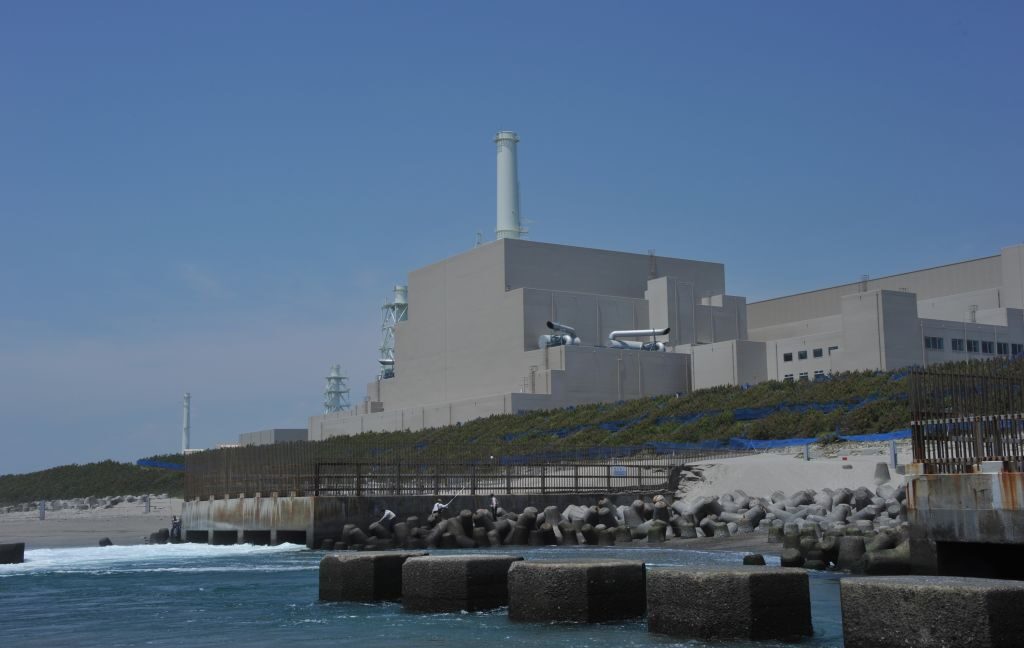
Japan Halts Nuclear Reactor Relicensing After Data Fabrication Scandal
Published: 2026/01/14 05:58:11
Tokyo, Japan – Japan’s Nuclear Regulation Authority (NRA) has suspended the relicensing process for two reactors at the Hamaoka nuclear power plant following the revelation that the plant’s operator, Chubu Electric Power Co., systematically fabricated seismic hazard data.This revelation casts a long shadow over Japan’s cautious return to nuclear energy, a process initiated after the devastating 2011 Fukushima Daiichi disaster.
The Scandal Unfolds
The issue came to light after a whistleblower alerted the NRA in February of last year.However, the details became public this week when the NRA halted the evaluation process necessary for restarting the Hamaoka reactors according to the Associated Press. Chubu Electric Power Co. subsequently issued a press release outlining the extent of the data manipulation.
the Hamaoka plant’s location adds a particularly troubling dimension to this scandal. Situated on the Pacific coast, it lies near a major active subduction fault – the same geological vulnerability that contributed to the Fukushima Daiichi catastrophe.This proximity underscores the critical importance of accurate seismic risk assessments for the plant’s safety.
How the Data Was Manipulated
Seismic risk assessment frequently enough involves scaling up data from smaller earthquakes to estimate the potential impact of larger, less frequent events. This is an inherently imprecise science.The standard practice is to generate a range of possible scenarios – typically around 20 – and then analyse the average to arrive at a representative risk profile.
However,Chubu Electric power Co. admitted to a intentional manipulation of this process. Since 2018, staff reportedly created numerous upscaled earthquake scenarios, selectively choosing a single scenario and then artificially inflating the number of similar, less-severe events to skew the average. As detailed in the company’s translated press release,this practice effectively minimized the perceived seismic risk,potentially underestimating the true threat to the plant.
Implications for Japan’s nuclear Future
This scandal represents a significant setback for Japan’s efforts to restart its nuclear power plants. Following the Fukushima disaster,all of Japan’s nuclear reactors were shut down for safety inspections. The government has since approved the restart of several plants, citing the need to reduce reliance on fossil fuels and address energy security concerns. However, public trust in the nuclear industry remains fragile.
The fabrication of seismic data raises serious questions about the oversight and regulatory processes governing Japan’s nuclear power plants. It also highlights the potential for conflicts of interest,as the operator is responsible for both conducting the risk assessments and ensuring the plant’s safety. The NRA’s decision to halt the relicensing process is a necessary step to restore confidence, but a thorough examination is crucial to determine the full extent of the wrongdoing and prevent similar incidents in the future.
Understanding Seismic Hazard Assessment
Seismic hazard assessment is a complex field that combines geology, seismology, and engineering to estimate the likelihood and potential impact of earthquakes. Key components include:
- Fault Mapping: Identifying and characterizing active fault lines in the region.
- Earthquake History: Analyzing past earthquake data to determine frequency and magnitude.
- Ground Motion Prediction: Estimating the intensity of ground shaking at a specific site during an earthquake.
- Site-Specific Analysis: considering local geological conditions that can amplify or dampen ground motion.
Accurate seismic hazard assessment is paramount for nuclear power plant safety, as these facilities are designed to withstand specific levels of ground shaking. Any manipulation of this data can have catastrophic consequences.
What’s Next?
The NRA is expected to launch a full-scale investigation into the data fabrication scandal at Hamaoka. This investigation will likely examine the roles and responsibilities of individuals within Chubu Electric Power Co., as well as the effectiveness of the NRA’s oversight mechanisms. The outcome of this investigation could have far-reaching implications for the future of nuclear power in Japan, potentially leading to stricter regulations, increased scrutiny of operator practices, and a renewed public debate about the risks and benefits of nuclear energy.
Beyond the immediate fallout, this incident serves as a stark reminder of the importance of transparency, accountability, and independent oversight in the nuclear industry. Maintaining public trust is essential for the sustainable operation of any nuclear power program.
