
Understanding the Challenges of Identifying Bears After an Incident
In late November 2025, a rare and frightening event unfolded in Bella Coola, british Columbia: a grizzly bear attacked a group of students and teachers on a field trip, leaving eleven peopel injured, four wiht severe wounds. This incident sparked not onyl an immediate rescue operation but also a complex investigation to identify the bear responsible. The subsequent search, and its eventual conclusion without finding the animal, underscores the significant challenges wildlife managers face when attempting to identify individual bears, particularly after a human-wildlife conflict.
The Bella Coola Attack and the Search Effort
The attack itself was described as unusual behavior for a grizzly bear, prompting authorities to prioritize identifying the animal – believed to be a mother grizzly with two cubs – to assess the situation and determine the appropriate course of action, which could range from relocation to, sadly, euthanasia.
An extensive search was launched,involving ground teams and aerial surveys. Four bears were trapped as potential matches, but DNA analysis ultimately cleared them all, and they were released back into the wild. Despite over three weeks of dedicated effort, the bear involved in the attack remained elusive, leading officials to call off the search. This outcome highlights the difficulties inherent in identifying individual bears in the wild.
Why Identifying Bears is So Difficult
One of the primary obstacles is the inherent similarity in appearance between individual bears.To the untrained eye, bears can look remarkably alike, making visual identification unreliable. Even experienced wildlife professionals can struggle with accurate identification without distinct markings or unique characteristics. This is particularly true for grizzly bears, where coat colour and size can vary considerably, and individual markings might potentially be subtle or obscured.
The Role of DNA Analysis
DNA testing offers a definitive method for identifying individual bears. By comparing DNA samples collected from a potential match (such as hair or scat) to samples from the attack site (e.g., saliva or tissue), wildlife managers can confirm or rule out a bear’s involvement. However,this process isn’t without its drawbacks. DNA analysis is relatively expensive, requiring specialized laboratory equipment and trained personnel. More importantly, obtaining suitable DNA samples can be challenging, especially after an incident where the bear has moved on.
The Stress of Trapping and Handling
The process of trapping and handling bears is inherently stressful for the animals. Bears are sensitive creatures, and even brief encounters with humans can cause significant physiological and psychological distress. Wildlife managers are therefore acutely aware of the need to minimize trapping whenever possible, balancing the need for public safety with the welfare of the animals. The ethical considerations surrounding trapping and handling are a crucial part of the decision-making process.
Alternatives to Trapping and the Future of Bear Identification
Given the challenges and drawbacks of traditional identification methods, researchers and wildlife managers are exploring alternative approaches. These include:
- Non-invasive Genetic Sampling: Collecting DNA from sources like shed hair or scat, minimizing the need for direct contact with the bears.
- Remote Camera Technology: Deploying camera traps to monitor bear activity and potentially capture identifying features.
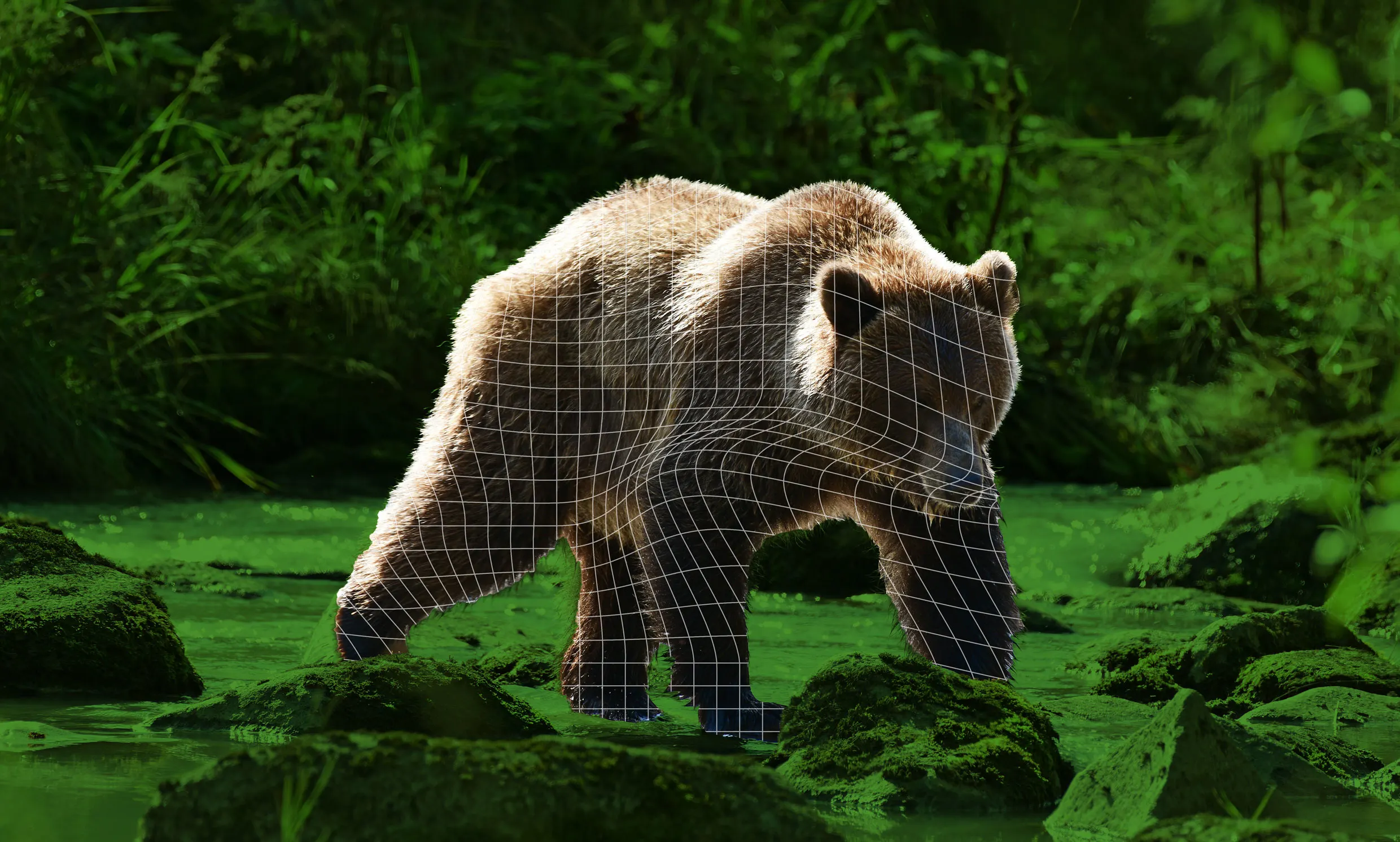
- Facial Recognition Technology: Emerging research is exploring the use of artificial intelligence and facial recognition software to identify individual bears based on unique facial features. While still in its early stages, this technology holds promise for more efficient and less invasive identification.
- improved Record Keeping: Maintaining detailed databases of bear sightings, markings, and genetic profiles can aid in future identification efforts.
The incident in Bella Coola serves as a stark reminder of the complexities of human-wildlife coexistence. While ensuring public safety is paramount, it’s equally significant to prioritize the welfare of these magnificent animals and to invest in research and technology that will allow for more effective and ethical management strategies.
Key takeaways
- Identifying individual bears, especially after an incident, is a significant challenge due to their similar appearance.
- DNA analysis is the most reliable method for identification, but it is expensive and requires physical samples.
- Trapping and handling bears is stressful for the animals and shoudl be minimized whenever possible.
- New technologies, such as remote camera systems and facial recognition software, offer promising alternatives for bear identification.
- Balancing public safety with the welfare of bears is crucial for effective wildlife management.
