
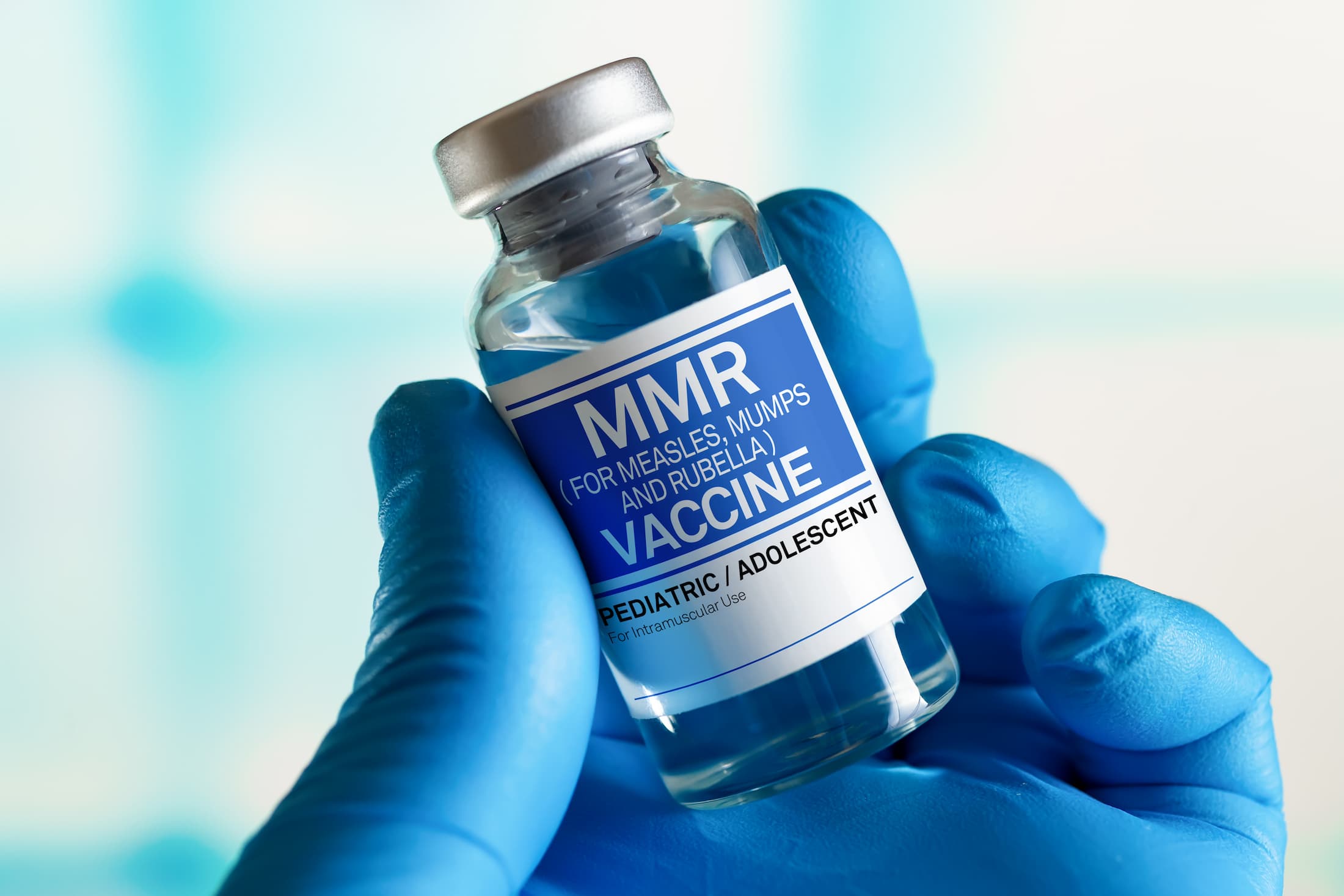
Decline in MMR Vaccination Rates Raises Public Health Concerns
Published: 2026/01/11 06:51:11
A recent study published in teh Journal of the American Medical Association reveals a troubling trend: a growing number of children are not receiving the measles, mumps, and rubella (MMR) vaccine by their second birthday. This decline, which began following the COVID-19 pandemic, is particularly concerning given the highly contagious nature of these diseases and the potential for outbreaks. Researchers found a strong correlation between delays in early childhood vaccinations and a decreased likelihood of receiving the MMR vaccine, highlighting the critical importance of timely immunization schedules. This article will delve into the study’s findings, explore the factors contributing to this decline, and discuss the role healthcare professionals – particularly pharmacists – can play in addressing vaccine hesitancy and improving vaccination rates.
The Alarming Trend in MMR Vaccination Coverage
The study, led by Nina B. Masters, PhD, MPH, of Truveta, analyzed data from a large electronic health record database encompassing over 252,250 children with consistent access to routine care between January 2018 and April 2025 1. the data demonstrates a steady erosion of MMR vaccination rates. While 78.4% of children received their first MMR dose on time, the rate of children remaining unvaccinated by age two rose from 5.3% in 2020 to 7.7% in 2024 1,2. Masters characterized this increase as “a worrying signal of ongoing vaccination decline.”
The research goes beyond simply documenting the decline. It identifies a strong link between delays in initial vaccinations and a failure to complete the MMR series. Children who were late in receiving their 2-month immunizations were nearly seven times more likely to miss their MMR vaccine (adjusted odds ratio [aOR], 6.96; 95% CI, 6.60-7.34), and those delayed with their 4-month immunizations faced over six times the risk (aOR, 6.16; 95% CI,5.84-6.50) 1,2. This signifies that vaccine hesitancy isn’t a late-stage concern; it manifests early in a child’s life and can derail the entire vaccination schedule.
These findings underscore a critical point: establishing a consistent vaccination schedule from the earliest stages of a child’s life is crucial for ensuring full protection against preventable diseases.
Identifying Vulnerable Populations
The study also identified specific demographic factors associated with lower MMR vaccination rates. These include:
- Gender: Male children were slightly more likely to be unvaccinated (aOR, 1.12; 95% CI, 1.07-1.16).
- Geographic Location: Children living in rural areas (aOR, 1.09; 95% CI, 1.03-1.15) and areas with undefined urbanicity (aOR, 1.45; 95% CI, 1.18–1.79) exhibited lower vaccination rates.
- Ethnicity: Non-Hispanic or Latino children were significantly more likely to be unvaccinated (aOR, 1.51; 95% CI, 1.41-1.61).
These disparities highlight the need for targeted interventions and outreach programs to address the specific concerns and barriers to vaccination within these communities. Understanding these demographic risk factors is essential for public health officials aiming to reverse the decline in MMR coverage.
The Role of Pharmacists in Addressing Vaccine Hesitancy
With declining vaccination rates, healthcare professionals are on the front lines of combating misinformation and promoting vaccine confidence. Pharmacists,increasingly recognized for their accessibility and expertise in medication management,are uniquely positioned to address parental concerns and advocate for immunization.
According to Masters, pharmacists can play a significant role in facilitating early vaccination discussions with parents and caregivers 1,2.While acknowledging the challenges of building trust with families who may not have an established relationship with their child’s primary care provider,pharmacists can leverage their expertise to communicate the decades of research supporting vaccine safety and efficacy. They can provide a readily available source of data, answer questions, and dispel myths surrounding the MMR vaccine.
Pharmacists can also reinforce the importance of adhering to the American Academy of Pediatrics’ recommended immunization schedule, emphasizing that timely vaccinations are crucial for protecting children from preventable diseases 1.
Combating Misinformation & Building Trust
One of the biggest hurdles to increasing vaccination rates is addressing the growing prevalence of vaccine misinformation. Pharmacists are equipped to:
- Provide Evidence-Based Information: Offer clear, concise explanations about the MMR vaccine, its benefits, and potential side effects, based on scientific data.
- Address Concerns Empathetically: Listen to parents’ concerns without judgment and provide tailored responses.
- Direct to Reliable Resources: Share links to credible sources like the Centers for disease Control and Prevention (CDC) (CDC Vaccine Information) and the World Health Organization (WHO) (WHO Immunization).
The Broader Context: Pandemic Impacts & Public Health Implications
The decline in MMR vaccination rates observed in this study is not isolated. It’s part of a broader trend of decreased childhood vaccination coverage observed during the COVID-19 pandemic. Factors contributing to this decline included:
- Disrupted Healthcare access: Lockdowns, social distancing measures, and strained healthcare systems limited access to routine medical care, including vaccinations.
- increased Vaccine Misinformation: The pandemic fueled the spread of misinformation about vaccines in general, contributing to broader vaccine hesitancy.
- Shift in Public Health Priorities: Focus and resources were understandably diverted to address the immediate threat of COVID-19,perhaps impacting routine immunization programs.
The consequences of declining MMR vaccination rates are significant. Measles, mumps, and rubella are highly contagious viral diseases that can lead to serious complications, including pneumonia, encephalitis, deafness, and birth defects. A decrease in population immunity increases the risk of outbreaks, especially in communities with lower vaccination coverage.Protecting against these preventable diseases is critical for safeguarding public health.
Looking Ahead: Strategies for Reversing the Trend
Reversing the downward trend in MMR vaccination rates requires a multi-faceted approach:
- Strengthening Public Health Infrastructure: Investing in resources to support routine immunization programs and improve access to care.
- Targeted Outreach Programs: implementing targeted interventions to address vaccine hesitancy in vulnerable populations.
- Healthcare Provider Education: Providing healthcare professionals with ongoing training on vaccine interaction and addressing parental concerns.
- Public Awareness Campaigns: Launching public awareness campaigns to promote the benefits of vaccination and dispel misinformation.
- Leveraging Pharmacists: Expanding the role of pharmacists in vaccine administration and education.
The decline in MMR vaccination rates represents a serious threat to public health. By understanding the factors driving this trend and implementing effective interventions, we can work to protect our children and communities from these preventable diseases. Continued vigilance, coupled with a collaborative effort from healthcare professionals, public health officials, and the community, is essential for ensuring a future where all children have the chance to thrive, protected from the dangers of measles, mumps, and rubella.
