
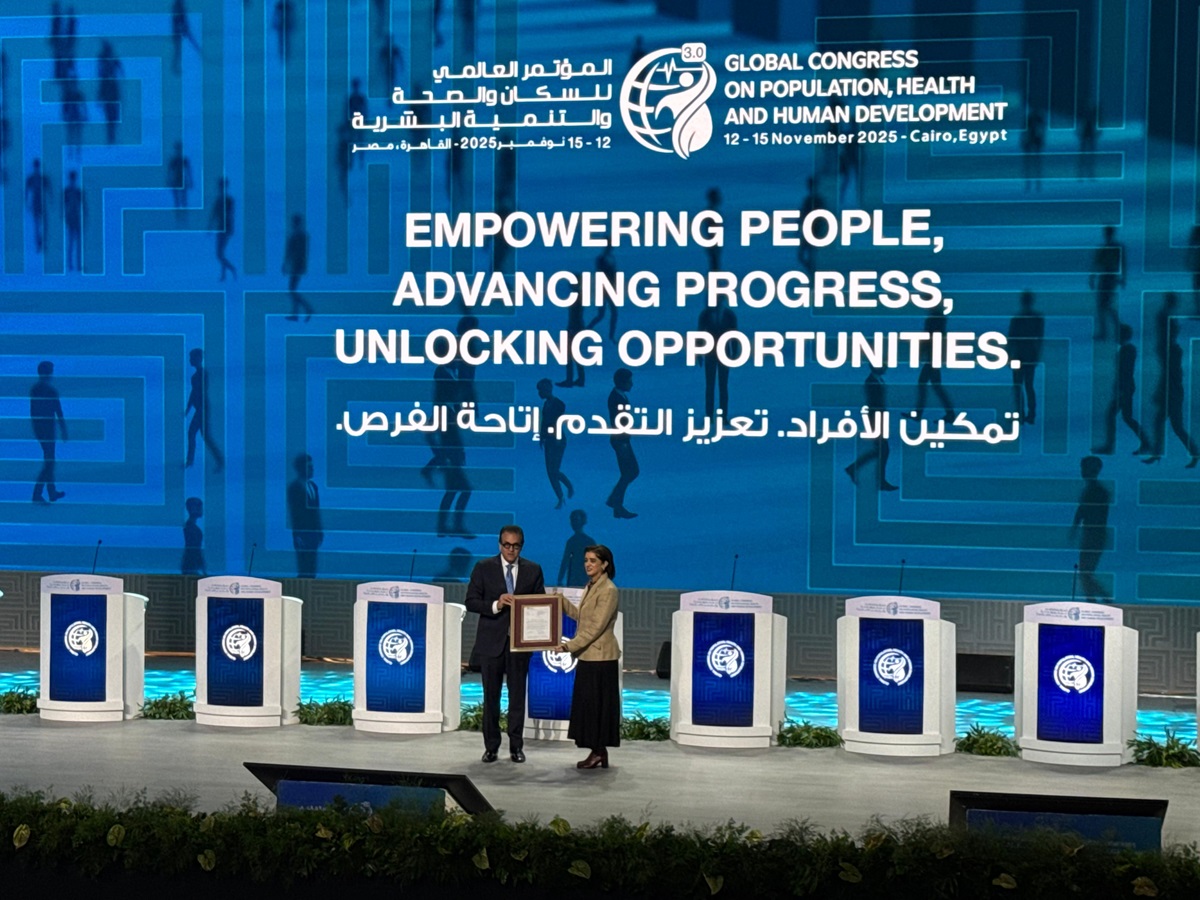
Egypt Eliminates Trachoma: A Public Health Triumph
The World Health Organization (WHO) has announced that Egypt has successfully eliminated trachoma as a public health problem,a landmark achievement for the country adn the WHO Eastern Mediterranean Region (WHO EMR). This makes Egypt the seventh country in the WHO EMR, and the 27th globally, to reach this milestone. While a notable victory, trachoma remains a public health problem in 30 countries, affecting approximately 1.9 million people with blindness or visual impairment, and 103 million people remain at risk.
A Century-Long Battle against Trachoma
Trachoma has a long history in Egypt, documented for over 3,000 years. Early public health efforts began in the early 20th century with the work of ophthalmologist Arthur Ferguson MacCallan, who established eye hospitals and laid the foundation for trachoma control. Despite these efforts, the disease continued to cause significant blindness, particularly in the Nile Delta, into the 1980s.
Sence 2002, the Egyptian Ministry of Health and Population, in collaboration with WHO and other partners, has implemented the WHO-endorsed SAFE strategy: Surgery for trichiasis, Antibiotics to clear the infection, Facial cleanliness, and Environmental improvement.
Between 2015 and 2025, extensive mapping and surveillance across Egypt’s 27 governorates demonstrated consistent reductions in active trachoma among children aged 1–9 years, and a decline in blinding complications among adults. These indicators now fall below WHO elimination thresholds nationwide.In 2024, Egypt integrated trachoma surveillance into its national electronic disease reporting system, enabling rapid response to any future cases.
“Egypt’s elimination of trachoma as a public health problem underscores the nation’s sustained commitment to equitable healthcare delivery and the transformative impact of initiatives… which have expanded access to safe water, sanitation, and primary care services in rural communities.” – Professor Dr. Khaled Abdel Ghaffar, Deputy Prime Minister and Minister of health and Population.
This achievement marks the second neglected tropical disease (NTD) eliminated in Egypt,following the elimination of lymphatic filariasis in 2018. Globally, 58 countries have now eliminated at least one NTD, with nine in the WHO Eastern Mediterranean Region.
Successful Collaboration and Partnerships
The success in Egypt was driven by strong national leadership, coordinated action, and broad collaboration. WHO provided technical guidance, monitoring, and validation support. Key partners included the Haya Karima Foundation, the Eastern Mediterranean Region Trachoma Alliance, the Nourseen Charity Foundation, the International Trachoma Initiative, the Global Trachoma Mapping Project, Sightsavers, CBM, the Kilimanjaro Centre for Community Ophthalmology, the Magrabi Foundation, and the Tropical Data global initiative.
“Together, we have proven that with collaboration and persistence, elimination is achievable.” – Dr Hanan Balkhy, WHO Regional Director for the Eastern Mediterranean.
Understanding Trachoma and NTDs
Trachoma is caused by the bacterium Chlamydia trachomatis and spreads through contact with infected eye discharges. Repeated infections can lead to trachomatous trichiasis, a painful condition where eyelashes turn inward and scratch the cornea, potentially causing blindness.
The disease is prevalent in communities with limited access to clean water and sanitation. The WHO launched the GET2020 initiative in 1998 to eliminate trachoma globally, and continues to support endemic countries in achieving this goal.
Key Takeaways
- Egypt has successfully eliminated trachoma as a public health problem.
- The SAFE strategy (surgery, Antibiotics, Facial cleanliness, Environmental improvement) was crucial to this success.
- Strong national leadership and international collaboration were essential.
- Trachoma remains a significant public health challenge in 30 countries worldwide.
- Egypt is demonstrating progress in eliminating multiple NTDs.
Looking ahead,Egypt’s success serves as an inspiring model for other countries striving to eliminate trachoma and other NTDs. Continued vigilance, sustained investment in public health infrastructure, and strong partnerships will be vital to achieving a world free from preventable blindness and disease.
