
The Electric Vehicle Revolution: Vertical Integration as the Key to Lower Costs and Stable Supply
Published: 2026/01/10 01:08:18
The electric vehicle (EV) market is poised for a significant shift. Executives are increasingly confident that EVs will soon reach a “tipping point” – a moment when thier lifetime costs fall below those of traditional gasoline-powered vehicles. This optimistic outlook is fueled by ample government subsidies and a strategic rethinking of manufacturing processes, especially a move towards vertical integration. But navigating supply chain complexities and shifting consumer mindsets remain key challenges.
Government Incentives Drive Demand and Production
both Canada and the United States are actively incentivizing the adoption of EVs through significant financial investments. Canada’s 2022 budget allocated $1.7 billion towards zero-emission vehicle programs, while the U.S. Inflation Reduction Act dedicates a substantial US$369 billion to clean energy and climate initiatives, including tax credits for EVs. Stephen King, Vice President of Strategy and Investor relations at NFI Group Inc., emphasizes the critical role of this funding, stating that “Federal funding is critical for a lot of customers, and we’re in an environment right now where funding has never been higher, so now demand has never been higher.”
However,these incentives aren’t without stipulations. Manufacturers like NFI Group face requirements, such as sourcing 70% of bus components from the U.S. to qualify for subsidies, adding complexity to the production process.
The Scars of Supply Chain disruptions
the past few years have exposed the fragility of global supply chains, significantly impacting the automotive industry and, in particular, EV manufacturers. NFI Group experienced firsthand the difficulties of sourcing essential components, from fiberglass and metals to even basic items like bus seats.“Supply chains have been absolutely brutal on our business in the last 18 months,” King admitted.
While there are signs of easing, with Statistics Canada reporting record inventory levels of $46.8 billion in the third quarter of 2022, the experience has prompted a essential shift in how EV companies approach production.
The Return of Vertical Integration: A Historical Perspective
The solution gaining traction is vertical integration – a strategy where companies take ownership of multiple stages of the supply chain. This isn’t a new concept. As highlighted by examples from history, Andrew Carnegie, the founder of Carnegie Steel, pioneered this approach in the late 19th century, controlling everything from iron ore mining to steel production and transportation.
For decades, globalization encouraged outsourcing to reduce costs. However, recent disruptions have forced manufacturers to reconsider the benefits of greater control and resilience. As Nicolas Brunet, CFO of The Lion Electric Co., explains, relying on third-party suppliers can lead to significant margin pressures and a lack of control.
EV Manufacturers Embrace In-House Production
To address these challenges, EV manufacturers are increasingly bringing component production in-house. The Lion Electric Co. has begun producing its own battery packs and modules, a move Brunet says “significantly de-risks the procurement aspect.” Similarly, NFI Group is starting to assemble cells, modules, and battery management systems internally, enhancing flexibility and responsiveness to market demands.
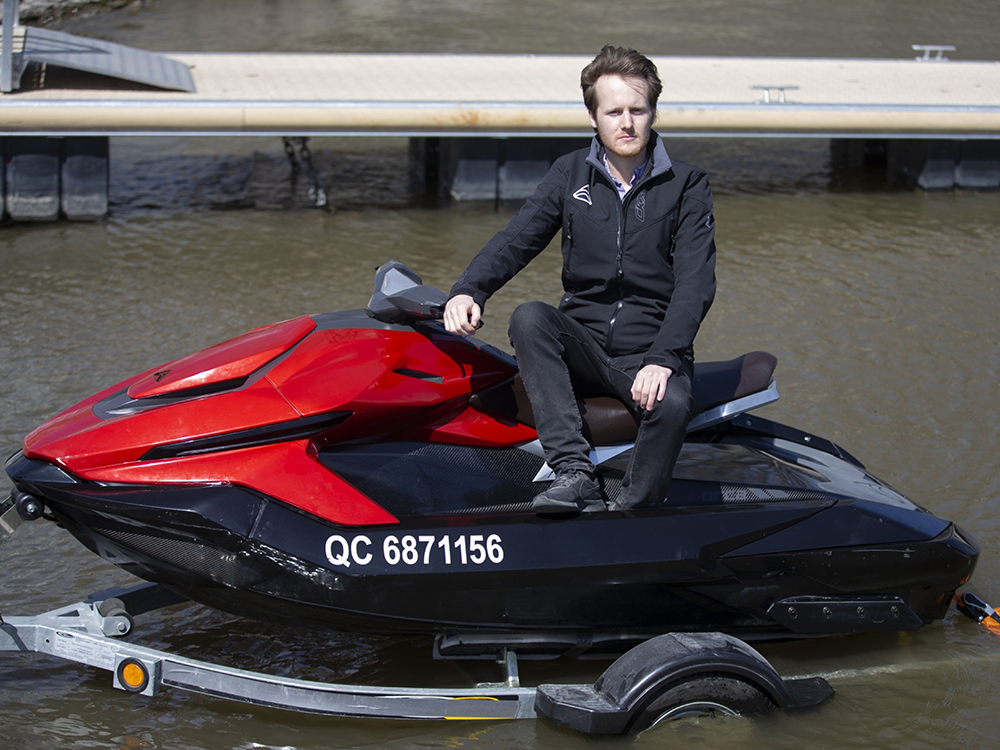
Taiga motors Corp. provides a compelling example of a company built on vertical integration from the outset. Facing initial market entry challenges during the pandemic, Taiga chose to design, engineer, and produce all components in-house over a seven-year research and development period.CEO sam Bruneau notes that this approach allows for faster innovation and continuous advancement, with the ability to “drive improvements on a monthly basis” compared to the multi-year timelines frequently enough associated with external suppliers.
Beyond Supply Chains: The challenge of Consumer Adoption
While securing a stable supply chain is crucial, EV manufacturers face another significant hurdle: shifting consumer perceptions. Brunet succinctly captures this challenge, stating that their “biggest competition is, by far, ‘status quo.’” Overcoming consumer resistance to change and addressing concerns about range anxiety, charging infrastructure, and upfront costs will be vital for widespread EV adoption.
Looking ahead: A More Resilient and Affordable EV Future
The convergence of government support, a renewed focus on vertical integration, and easing supply chain pressures suggests a promising future for the EV industry. While challenges remain, the industry is actively addressing them, paving the way for a future where electric vehicles are not only environmentally lasting but also economically competitive. The shift towards greater control over the supply chain, coupled with ongoing innovation, will be instrumental in driving down costs and accelerating the transition to a cleaner transportation future.
