
Lebanon’s Disarmament of Hezbollah: A Fragile Peace Under Strain
Recent Israeli airstrikes on Hezbollah targets in Lebanon,occurring just days after the Lebanese army announced the completion of the first phase of its disarmament plan,underscore the precarious state of peace in the region. While Lebanon is under immense international pressure to fully disarm the Iran-backed group, Hezbollah’s continued presence and alleged rearmament efforts are fueling ongoing tensions and raising serious questions about the long-term viability of the current ceasefire. This article examines the recent developments,the complexities of the disarmament process,and the challenges that lie ahead.
The Recent Escalation: Israeli Strikes and Hezbollah’s Defiance
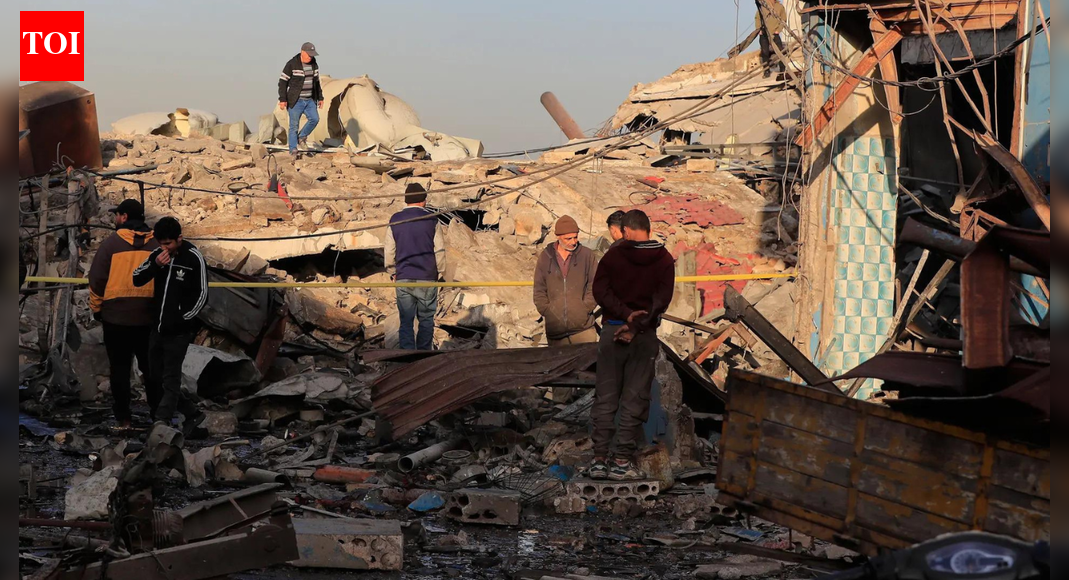
On Friday, Israel’s military launched airstrikes targeting what it described as “weapons storage facilities and a weapons production site” used by Hezbollah . These strikes, impacting areas in southern Lebanon and the Bekaa region, represent a continuation of israel’s policy of responding to perceived Hezbollah activity, even amidst the existing ceasefire. The Israeli military maintains that Hezbollah’s attempts to rebuild its military infrastructure violate the understandings reached during the truce that ended two months of all-out war in November 2024.
Lebanon’s National News Agency (NNA) confirmed the strikes, reporting that they occurred far from the border and in areas with a important Hezbollah presence. While initial reports indicated no casualties, the strikes serve as a stark reminder of the volatility of the situation.Just one day prior, a similar Israeli strike near Sidon resulted in one fatality, further escalating tensions.
The Disarmament Plan: A Phased Approach and International Pressure
The Lebanese army announced on Thursday that it had completed the first phase of its plan to disarm Hezbollah south of the Litani River. This initial phase focused on extending the army’s control over the south and dismantling existing Hezbollah infrastructure .The plan aims to eventually encompass the entire country, but faces significant hurdles.
The disarmament effort is largely a response to intense international pressure, notably from the United States, which views Hezbollah as a terrorist organization and a destabilizing force in the region. The ceasefire agreement stipulated that Hezbollah should withdraw its forces north of the Litani River and dismantle its military infrastructure. However, Hezbollah has steadfastly refused to fully comply, maintaining a strong presence, especially in the Bekaa Valley, and rejecting calls to surrender its weapons.
Israel’s Skepticism and the Limits of the Ceasefire
Israel has expressed skepticism about the Lebanese army’s efforts, with Prime Minister Benjamin Netanyahu’s office stating that the steps taken are “an encouraging beginning, but they are far from sufficient.” Israel continues to assert that “Hezbollah must be fully disarmed” , and maintains a military presence in five strategic areas of southern Lebanon, citing continued threats.
The continued israeli strikes, despite the ceasefire, highlight a essential disagreement over the terms of the truce and the definition of “full disarmament.” Israel views any Hezbollah rearmament effort as a violation of the ceasefire, while Lebanon argues that the strikes undermine the army’s efforts to stabilize the south and implement the disarmament plan.
Challenges to Disarmament: Hezbollah’s Entrenchment and Political Factors
Disarming Hezbollah is a complex undertaking fraught with political and security challenges. Hezbollah is not merely a military force; it is a deeply embedded political actor with significant influence within the Lebanese government and society. Removing its weapons requires addressing the underlying political grievances that fuel its support base.
Several key obstacles stand in the way of complete disarmament:
- Hezbollah’s Resistance: The group has consistently rejected calls to disarm, viewing its weapons as a necessary deterrent against Israeli aggression and a means of protecting Lebanon’s sovereignty.
- Political Polarization: Lebanon is deeply divided along sectarian and political lines, with Hezbollah’s allies holding considerable power. Any serious attempt at disarmament could trigger a political crisis.
- Regional Dynamics: The broader geopolitical landscape, including the involvement of Iran and other regional actors, complicates the issue.Hezbollah receives significant support from Iran, which opposes its disarmament.
- Upcoming Elections: Parliamentary elections are due in May 2026. If Hezbollah and its allies perform well, this may halt any further attempts at disarming the group .
looking Ahead: A Precarious Future
The situation in Lebanon remains highly volatile. While the Lebanese army’s efforts to disarm Hezbollah represent a positive step, the continued Israeli strikes and Hezbollah’s defiance cast doubt on the long-term prospects for peace. The success of the disarmament process hinges on a combination of sustained international pressure, a credible commitment from all parties to abide by the ceasefire agreement, and a genuine effort to address the underlying political grievances that fuel the conflict.
Without a complete and inclusive approach, Lebanon risks sliding back into a full-blown conflict, with potentially devastating consequences for the region. The coming months will be critical in determining whether the current ceasefire can be transformed into a lasting peace.
