
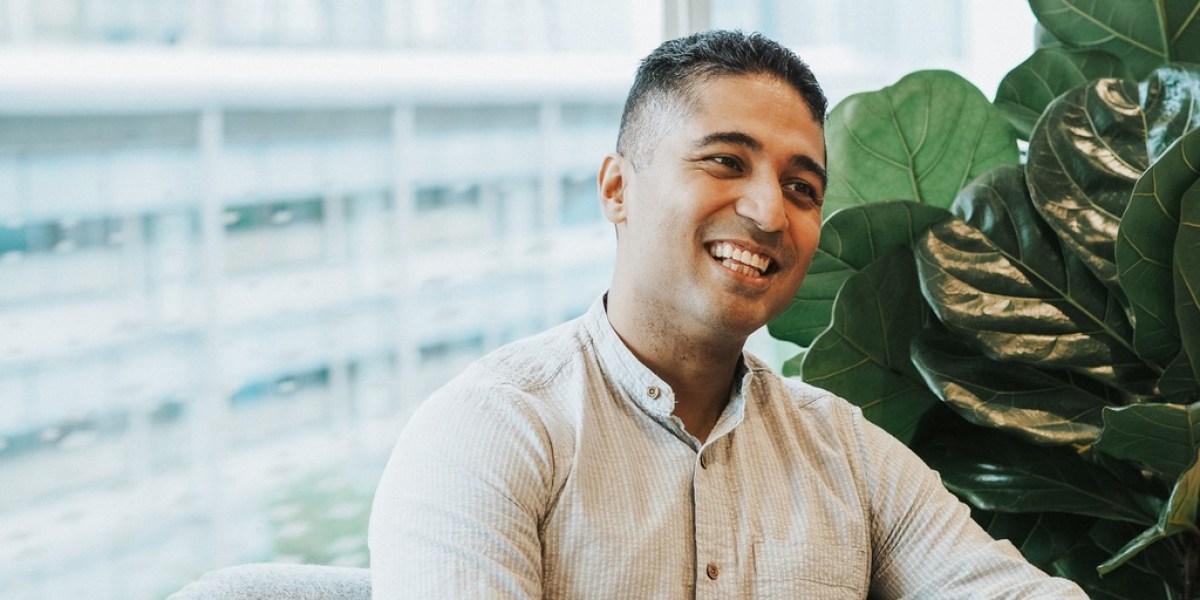
For Anand Roy, making music used to mean jamming with his progressive rock band based out of Bangalore. Today, he creates music with a simple tap of a button through his start-up Wubble AI, which allows users to generate, edit, and customize royalty-free music in over 60 different genres.
Roy started Wubble with his co-founder,Shaad Sufi,in 2024,from a small office in Singapore’s central business district. Since than, his platform has generated tunes for global giants like Microsoft, HP, L’Oreal and NBCUniversal. They’re even used on the Taipei Metro, where AI-generated tunes soothe harried commuters.
Generative AI has sparked controversy in the creative industry. Artists and musicians worry that companies will train AI on copyrighted materials and ultimately automate the need for human creators.
Roy believes Wubble offers a solution to a broken music sector. artists receive micro-payments on streaming sites like Spotify, benefiting only the most famous artists.
Roy spent almost two decades at Disney,overseeing operations at its networks and studios in cities like tokyo,Mumbai and Los Angeles. He says his time leading Disney’s music group revealed the tedious process of music licensing.
“So many licensing deals fell through because of paperwork, red tape, and the expense and complexity of the process,” he says. Yet, existing music firms “don’t have a strong incentive to streamline things.”
Wubble takes a different approach, collaborating directly with musicians and paying them for the raw material used to train its AI. “If we’re looking at Latino hip hop,we’ll go to a recording studio in Buenos Aires or Rio de Janeiro and request ten hours of Latino music,” Roy explains.Wubble then negotiates a deal and offers a one-time payment, which Roy argues is more competitive than streaming service payouts.
He admits a one-time payment isn’t perfect and is exploring how blockchain technology can create new ways to compensate musicians for training Wubble’s AI models.
David Gunkel,a dialog studies professor at Northern Illinois University in Chicago,thinks training AI with artist-commissioned material is a smart business move.
Production companies like Disney, Universal and Warner Bros. are suing AI companies like Midjourney and Minimax for copyright infringement, claiming users can easily generate images and videos of protected characters like Star Wars’ darth Vader.
“If you curate your data sets,compensate artists,and give them credit for training your model,you’ll avoid lawsuits,” he explains. “It’s a better business practice for long-term viability.”
text-to-speech generation
Wubble currently offers instrumental music and audio effects, but voice is next. By the end of January, Roy says his platform will offer AI-generated voiceovers from writen scripts, providing a complete audio content workflow for businesses.
AI music startups are emerging worldwide, aiming to simplify music creation. Some,like Suno,generate full songs,while others,like Moises,offer tools for artists.
In Asia, Korean AI startup Supertone offers voice synthesis and cloning, using samples to generate new vocal tracks. HYBE,the entertainment company behind K-pop sensation BTS,acquired Supertone and now operates it as a subsidiary. Supertone even debuted a fully virtual K-pop girl group, SYNDI8, in 2024.
At Fortune Brainstorm AI Singapore last year, Supertone founder Kyogu Lee described artists as “co-creators,” not just for licensing their voices, but also for helping refine the technology.
“AI will democratize the creative process, allowing every creator to experiment with new ideas,” he told the audience.
Roy, from Wubble, shares this vision.
“Music creation has historically been a privilege, requiring time and resources to learn an instrument,” he says. “We believe everyone should be able to create—and AI now makes that possible.”
