
Vittorio Sgarbi and the Contested Caravaggista: A Deep Dive into the “Concerto con Bevitore” Case
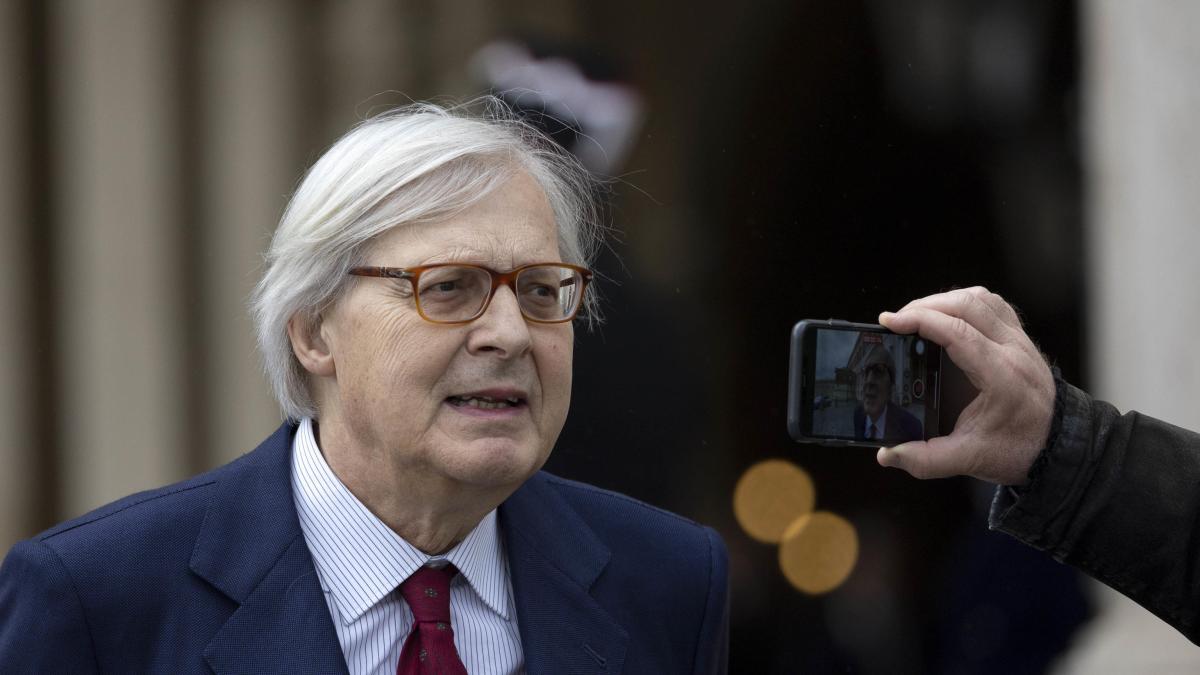
January 9, 2026 – Vittorio Sgarbi, the prominent Italian art critic and former Undersecretary of State for Culture, finds himself at the center of a complex legal battle surrounding a painting attributed to the French Caravaggist, Valentin de Boulogne. The artwork, titled “Concerto con Bevitore” (Concert with a Drinker), is estimated to be worth €5.5 million, and its disputed ownership and alleged illicit export have triggered a formal inquiry. This article provides a extensive overview of the case, examining the accusations, Sgarbi’s defense, and the broader implications for art ownership and international trade.
The allegations: Illicit export and Disputed Ownership
According to the Public Prosecutor’s office in Imperia, the painting was allegedly illegally exported to the Principality of Monaco in 2020 [2]. The investigation centers on Sgarbi, who is considered the true owner of the artwork, and also his girlfriend, Sabrina Colle, and art dealer Gianni Filippini. Intercepted communications reportedly reveal concerns from Colle about the financial implications if the painting wasn’t sold, stating, “Let’s hope we sell the painting, otherwise we’re ruined” [1].
The case gained further traction after a report by the Italian investigative journalism program Report identified a witness who allegedly sold the painting, claiming Sgarbi is the rightful owner [3]. The investigation was closed, but the questions surrounding the painting’s authenticity, ownership, and export remain.
Sgarbi’s Defense: A copy and a Lack of Direct Involvement
Vittorio Sgarbi vehemently denies any wrongdoing, dismissing the accusations as a “pathetic” attempt to persecute him [1]. He argues that even if the canvas dates back to the 17th century, it doesn’t guarantee the painting itself is authentic. He points to the common practice of artists painting on recycled canvases and suggests the pursuit of undiscovered masterpieces is often futile.
Sgarbi maintains he is not the owner of the painting, stating it was purchased by a friend for €10,000. He emphasizes that the illegal export regulations only apply to artworks valued over €13,500. He further claims he was asked to provide an expert appraisal but never actually did so, and that a document presented as his appraisal is merely a technical note from his secretariat [1]. Crucially, he asserts that the painting was never sold, questioning the basis of the export allegations. He also points to a similar painting sold at auction by Wannenes for just €3,500, suggesting the artwork in question is likely a copy.
The Authentication Question: Radiography and Expert Opinion
A key piece of evidence in the investigation is a radiograph conducted by the Istituto Centrale per il Restauro, which reportedly indicates the painting dates back to the 17th century, possibly suggesting it could be the long-lost original [1].
However, sgarbi dismisses the importance of the radiograph, arguing that it’s insufficient proof of authenticity. He believes a proper evaluation by an art expert would have been more appropriate. This highlights a critical aspect of art authentication: relying solely on scientific analysis can be problematic, and expert opinion remains crucial in determining the provenance and authenticity of artworks.
Valentin de Boulogne: A Brief Overview of the artist
Valentin de Boulogne (1591-1631) was a French Baroque painter who spent most of his career in Rome. He was a follower of Caravaggio, adopting the master’s dramatic use of light and shadow (tenebrism) and his realistic depiction of figures. Boulogne’s works often depict scenes of everyday life, religious subjects, and mythological narratives.His paintings are relatively rare, contributing to the high value placed on authenticated works.The “Concerto con Bevitore” is a particularly important piece, and its potential rediscovery has generated considerable interest within the art world.
Implications for Art Ownership and Export Regulations
This case raises critically important questions about art ownership, due diligence, and the enforcement of cultural heritage protection laws. Italy has strict regulations regarding the export of artworks considered to be of significant cultural value.The aim is to prevent the loss of national treasures and ensure their preservation for future generations.
The Sgarbi case underscores the challenges in enforcing these regulations, particularly when dealing with private transactions and potential misrepresentation of ownership.It also highlights the need for robust authentication processes and international cooperation to combat art trafficking and ensure the legitimate trade of cultural artifacts.
Looking Ahead
As of January 9, 2026, the legal proceedings surrounding the “concerto con bevitore” remain ongoing. The outcome of the case will likely have significant implications for sgarbi’s reputation and could set a precedent for future investigations involving the illicit export of art.The debate over the painting’s authenticity and ownership is likely to continue,emphasizing the complexities inherent in the world of art and the importance of rigorous investigation and expert analysis.
