
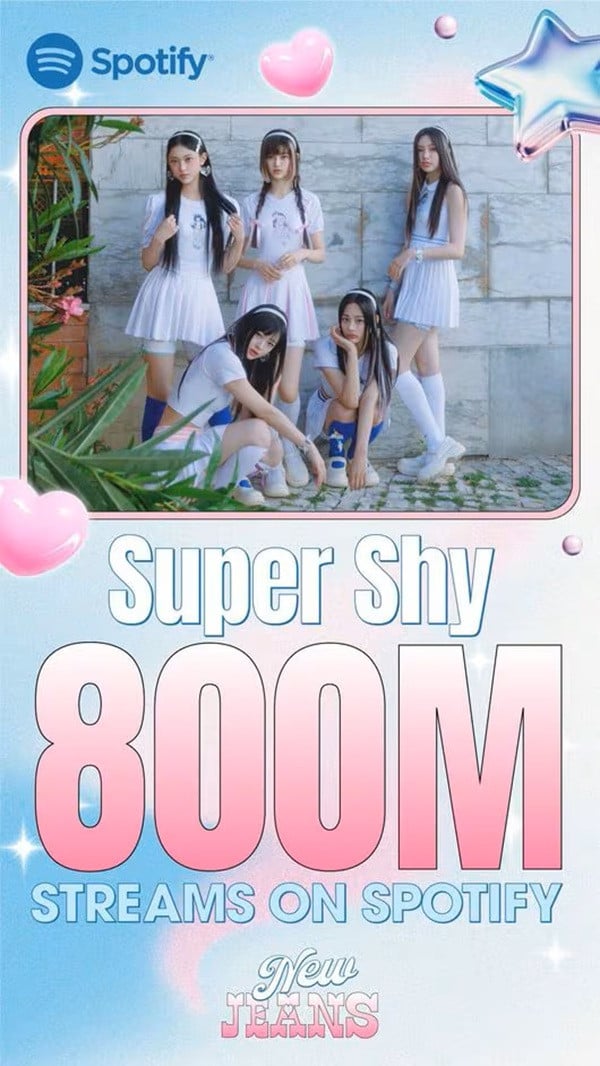
NewJeans is now at the center of a structural shift involving the economics of global cultural export and talent‑agency contract regimes. The immediate implication is a reinforcement of K‑pop’s market dominance while exposing friction points in artist‑management relations.
the Strategic Context
K‑pop has evolved from a regional genre into a cornerstone of South Korea’s soft‑power strategy, leveraging digital platforms to monetize music worldwide. The proliferation of streaming services has created a scalable revenue model that rewards high‑volume hits, encouraging agencies to invest heavily in production, choreography, and global marketing. Simultaneously, the industry faces growing scrutiny over exclusive contracts that bind artists to agencies for extended periods, a legacy of the “slave‑contract” model that has attracted legal challenges and public debate. The resolution of NewJeans’ dispute with ADOR occurs against this backdrop of heightened attention to labor standards and the commercial imperative to sustain streaming momentum.
Core Analysis: Incentives & constraints
source Signals: The group’s song “Super Shy” reached 800 million Spotify streams, marking a third track to cross that threshold. NewJeans now boasts 15 songs with over 100 million streams each and a cumulative 7 billion streams. A court upheld the exclusivity of their contract with ADOR; the members opted not to appeal, and ADOR announced the members’ return to the agency.
WTN Interpretation: The streaming milestones provide ADOR with quantifiable leverage in negotiations, reinforcing the agency’s bargaining position and justifying continued investment in the group’s brand. for NewJeans, the decision to forego an appeal likely reflects a cost‑benefit calculation: preserving promotional momentum and avoiding a protracted legal battle that could disrupt release schedules and revenue streams. The agency, in turn, benefits from a stable roster to capitalize on the group’s global visibility, while the broader industry observes a tacit endorsement of existing contract frameworks, potentially tempering immediate pressure for systemic reform.However, the publicized legal outcome also fuels ongoing discourse on contract fairness, creating a latent constraint on agencies that may face future regulatory or consumer‑backlash pressures.
WTN Strategic Insight
“When streaming metrics become the primary currency of cultural influence, contract disputes shift from labor battles to strategic calculus about brand continuity and market share.”
Future Outlook: scenario Paths & Key Indicators
Baseline Path: If NewJeans continues to deliver high‑streaming releases and ADOR maintains the current contract framework,the group will likely spearhead further expansion into Western markets,prompting other agencies to replicate the high‑output,streaming‑centric model. The industry’s contract norms remain largely unchanged, with incremental adjustments driven by consumer sentiment rather than regulatory mandates.
Risk Path: If fan activism or legislative scrutiny intensifies around exclusive contracts, pressure could mount on ADOR and peers to renegotiate terms, potentially leading to contract revisions, profit‑share adjustments, or the emergence of alternative management structures. A disruptive legal precedent could alter the cost calculus for agencies, slowing the aggressive rollout of new content and affecting streaming revenue projections.
- Indicator 1: Announcement of NewJeans’ next album or major single within the next three months, including any changes to release strategy or promotional partnerships.
- Indicator 2: Legislative or regulatory developments in South Korea concerning entertainment contracts, such as hearings, draft bills, or official statements from the Ministry of Culture, Sports and Tourism.
