
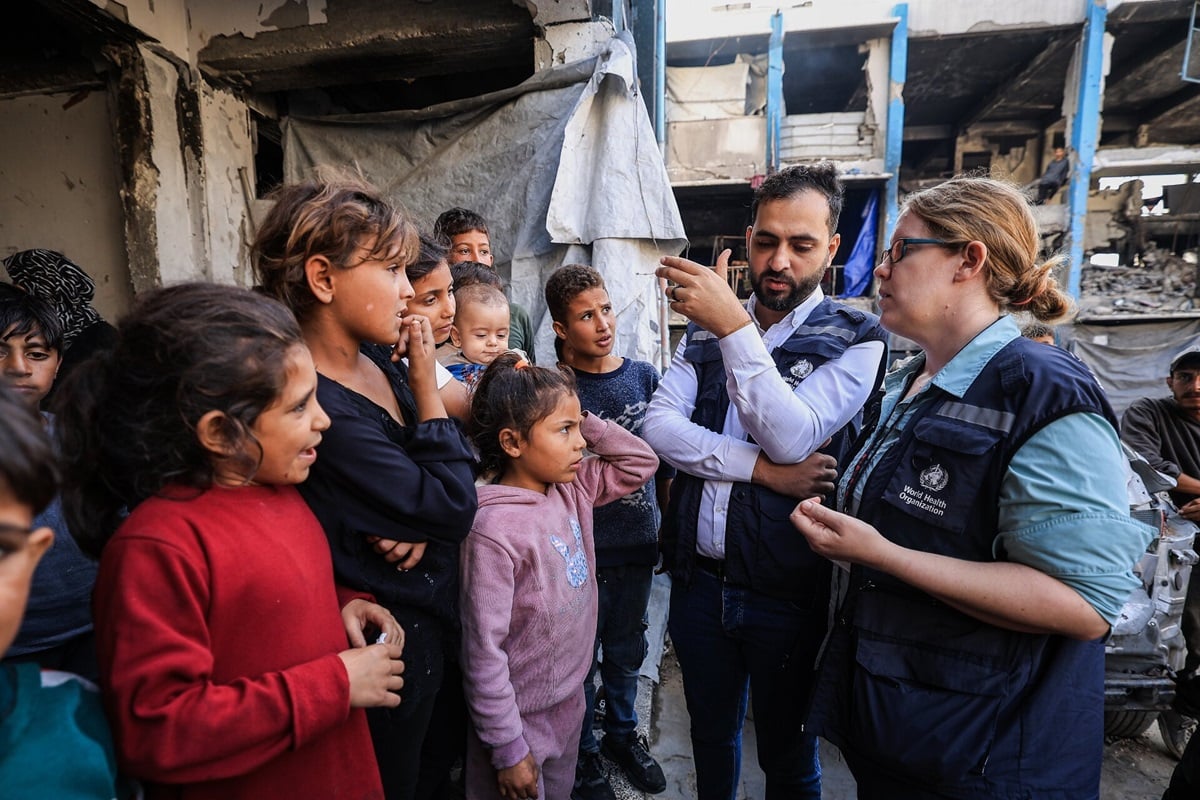
Gaza is now at the centre of a structural shift involving acute food security and public‑health stability. The immediate implication is a heightened risk that the fragile de‑escalation of famine could reverse, pressuring regional diplomatic calculations and humanitarian financing.
The Strategic Context
Since the 2023‑24 conflict, Gaza’s civilian infrastructure has been devastated, eroding the territory’s capacity to produce food, provide clean water, and deliver health services. The ceasefire of October opened limited corridors for humanitarian and commercial shipments, allowing the Integrated Food Security Phase Classification (IPC) to downgrade the Gaza Governorate from famine to emergency. However, the underlying structural forces-persistent blockade, damaged production assets, and a heavily aid‑dependent economy-remain unchanged. In a broader regional context, the humanitarian situation in Gaza intersects with the geopolitical contest between Israel, Hamas, and external patrons, while also influencing donor fatigue and the allocation of multilateral resources across multiple crises.
Core Analysis: Incentives & Constraints
Source Signals: The IPC report shows 77 % of Gaza’s population in acute food insecurity, with 1.6 million people facing emergency‑level shortages. Humanitarian agencies stress that without expanded food, livelihood, agriculture and health assistance, hundreds of thousands could slip back into famine. Access constraints, import restrictions, and funding gaps limit the scale of response. Local farmers, herders and fishers are ready to resume production but lack inputs and financing. Health facilities operate at roughly 50 % capacity, and essential medical supplies face dual‑use restrictions.
WTN Interpretation: The primary incentive for the UN agencies is to preserve the limited gains achieved post‑ceasefire and to avoid a relapse that would trigger a larger international outcry and potential escalation of aid‑related political pressure. Their leverage rests on the ability to mobilize donor funding and to negotiate access corridors with the parties to the conflict.Constraints include the political calculus of the Israeli authorities, who balance security concerns against humanitarian optics, and the limited fiscal space of traditional donors facing competing crises (e.g., Ukraine, climate‑related emergencies). Hamas’ governance capacity also shapes the distribution of aid and the security habitat for aid workers. The structural dependency on external imports creates a chronic vulnerability: any re‑imposition of restrictions or a deterioration in funding flows will quickly translate into supply shortfalls, given the near‑total collapse of local production.
WTN Strategic Insight
“When humanitarian access becomes the decisive variable, food security in Gaza functions less as a progress issue and more as a geopolitical lever that can destabilize or stabilize the broader Middle‑East balance.”
Future Outlook: Scenario Paths & Key Indicators
Baseline Path: If current humanitarian corridors remain open, donor funding stabilizes at near‑current levels, and import restrictions stay limited, emergency‑phase conditions will persist but not deteriorate. Local agricultural activity will gradually resume, reducing aid dependency over the medium term while health services modestly improve.
Risk Path: If security incidents trigger a tightening of border controls, or if major donors reallocate funds to other crises, the flow of food, agricultural inputs, and medical supplies could be curtailed. Combined with winter weather and the ongoing displacement, this would likely push the IPC classification back toward famine in one or more governorates, reigniting regional diplomatic pressure and potentially prompting a renewed escalation.
- Indicator 1: Weekly volume of commercial and humanitarian cargo entering Gaza thru the Rafah crossing (tracked by UN OCHA).
- Indicator 2: Funding pledges versus disbursements for the Gaza humanitarian response (reported by the UN donor coordination platform) over the next three months.
