
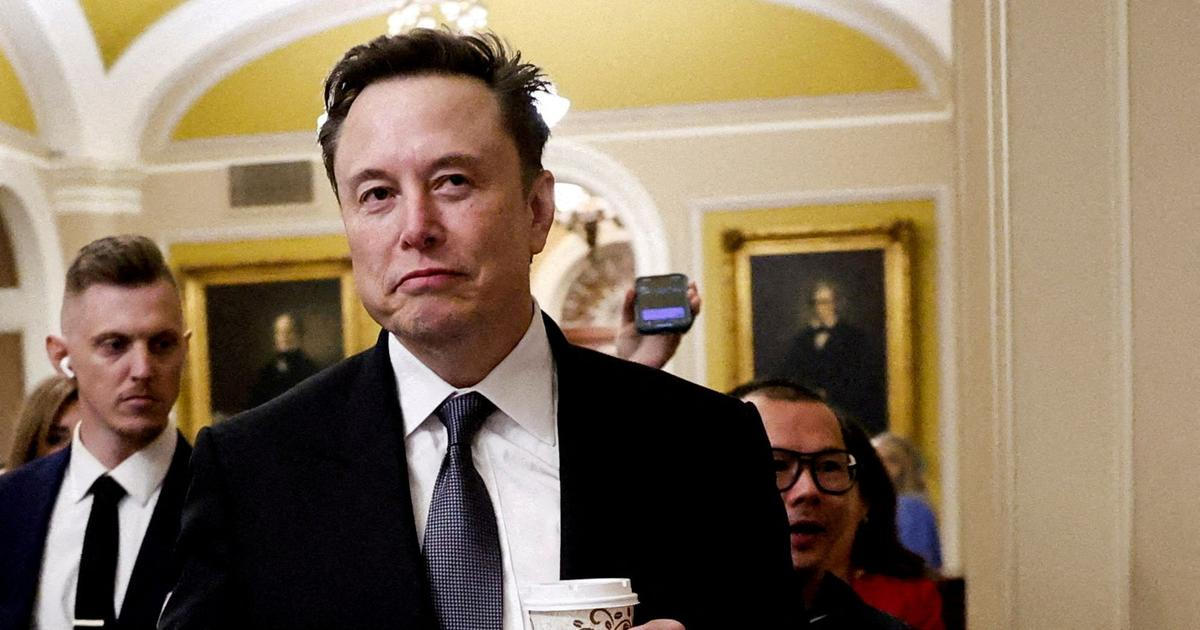
Elon Musk is now at the center of a structural shift involving the valuation of high‑growth tech assets and escalating regulatory friction. The immediate implication is heightened market sensitivity to legal outcomes and policy postures that can reshape capital allocation across the technology sector.
the Strategic Context
over the past decade, the U.S. technology ecosystem has produced a cluster of ultra‑high‑valuation firms whose market caps are driven more by growth expectations and network effects than by conventional cash‑flow metrics. This surroundings is reinforced by abundant macro‑liquidity, low‑interest rates, and a regulatory landscape that historically favored rapid innovation over granular oversight.Delaware’s courts serve as the de‑facto arbiter of corporate governance disputes, granting founders a legal avenue to protect equity‑based compensation. Together, trans‑Atlantic digital policy has grown more assertive, with the European Commission deploying fines to enforce transparency and competition standards on platforms that operate across borders.
Core Analysis: Incentives & Constraints
Source Signals: The Supreme Court of Delaware reversed a lower‑court ruling, reinstating the full value of Elon Musk’s Tesla stock‑option compensation, now estimated at $139 billion. Forbes updated Musk’s net worth to $749 billion, reflecting the full option value.Musk’s portfolio also includes SpaceX (valued at $800 billion after a recent financing round) and the social network X. He has publicly supported former President Donald Trump,led a “Government Efficiency Group,” and,in response to a €120 million EU fine on X,called for the abolition of the European Union.
WTN Interpretation: Musk’s primary incentive is to preserve and amplify the market value of his equity stakes, which serve as both personal wealth and collateral for future financing. By securing a favorable court ruling, he reinforces the legal precedent that large‑scale option grants remain enforceable, signaling to investors that founder‑centric compensation structures are resilient.His political engagements function as leverage: aligning with influential policymakers can shape regulatory agendas, while public criticism of the EU seeks to pressure regulators into a more favorable operating environment for X. Constraints include the potential for heightened scrutiny from U.S. securities regulators, the risk that repeated confrontations with the EU could trigger coordinated enforcement actions, and the broader market’s sensitivity to any perception of governance risk in mega‑cap tech firms.
WTN Strategic Insight
“When a founder’s personal wealth is inseparable from the market valuation of his companies, legal rulings and policy statements become market catalysts, turning corporate governance disputes into macro‑level risk factors for capital flows.”
Future outlook: Scenario Paths & Key Indicators
Baseline Path: if Delaware courts continue to uphold founder‑friendly option structures and the EU’s enforcement actions remain limited to monetary penalties,Musk’s equity value is likely to stay on an upward trajectory. Capital markets will treat the ruling as a reinforcement of the legal certainty surrounding high‑growth tech compensation, supporting continued inflows into Tesla, SpaceX, and X. Political rhetoric will remain largely symbolic, with no substantive regulatory overhaul.
Risk Path: If regulatory bodies-both in the United States (SEC) and the European Union-escalate scrutiny of Musk’s platforms, targeting data practices, competition, or the legitimacy of large option grants, market participants could reassess risk premiums on his holdings. A coordinated legal challenge or a new EU directive on platform transparency could depress valuations, trigger share‑price volatility, and constrain financing for future growth projects.
- indicator 1: Upcoming Delaware Supreme Court docket entries related to corporate compensation disputes (next 3‑6 months).
- Indicator 2: European Commission’s next enforcement agenda for digital services, notably any new rulings on X (quarterly).
- Indicator 3: SEC filings on Tesla’s outstanding stock‑option pool and any amendments to disclosure practices (annual meeting).
- Indicator 4: Macro‑liquidity trends reflected in Federal Reserve policy statements and global bond yields (monthly).
