
Minnesota’s Medicaid system is now at the center of a structural shift involving large‑scale billing fraud. the immediate implication is heightened federal scrutiny and potential fiscal pressure on state health financing.
The Strategic Context
Medicaid,as a joint federal‑state entitlement,has long been vulnerable to billing irregularities due to its expansive provider network and the complexity of reimbursement rules. across the United States, high‑risk Medicaid programs have attracted intensified oversight, reflecting a broader pattern where fiscal pressures and the growth of managed‑care arrangements create incentives for both legitimate cost‑containment and opportunistic exploitation.In Minnesota, the convergence of a sizable provider base, the presence of shell companies, and the emergence of “fraud tourism” – firms establishing operations solely to exploit state programs – amplifies these systemic risks.
Core Analysis: Incentives & Constraints
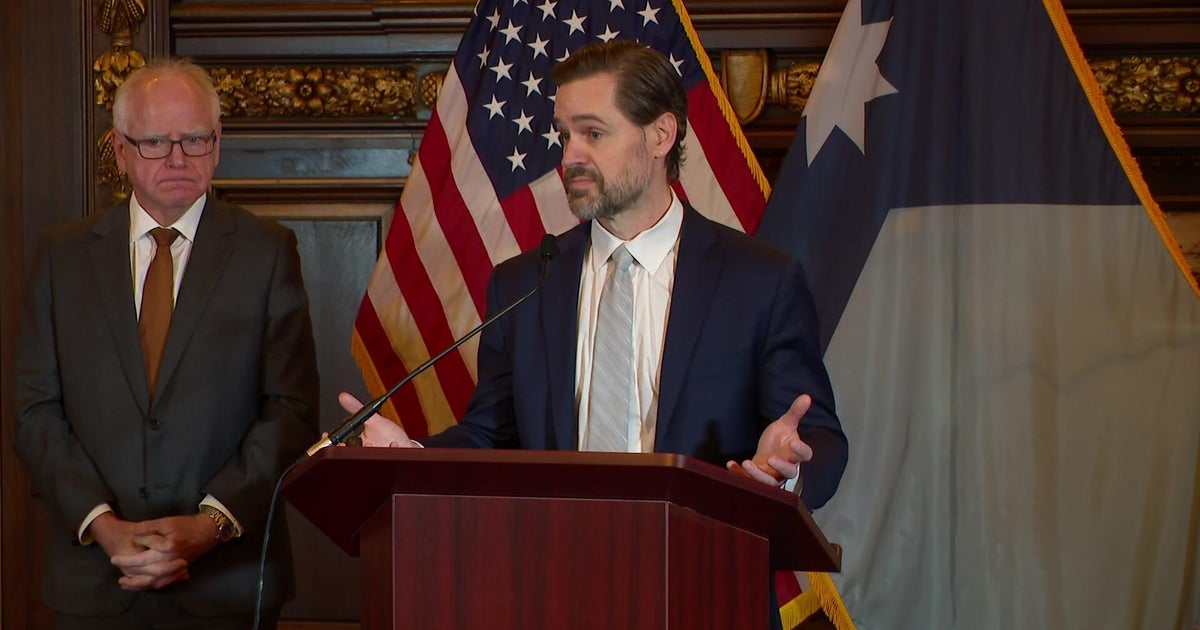
Source Signals: Recent statements from Minnesota’s Attorney General indicate that investigations target 14 Medicaid programs deemed high risk, with a specific focus on the “Feeding Our Future” scheme that could involve up to $1 billion in fraudulent claims.The Attorney General highlighted the prevalence of shell companies providing no services, described the fraud as “industrial‑scale,” and noted involvement of out‑of‑state actors establishing entities in Minnesota to capitalize on perceived enforcement gaps.
WTN Interpretation: The structural incentives driving this fraud stem from the high reimbursement rates for certain services, the relative anonymity afforded by corporate shell structures, and the limited real‑time verification capacity within Medicaid’s claims processing system. Providers can leverage the scale of Medicaid spending to generate substantial illicit revenue, while the state’s reliance on federal matching funds creates a constraint: excessive fraud jeopardizes federal support and can trigger penalties or reduced match rates. The “fraud tourism” dynamic reflects a cost‑benefit calculation where actors assess Minnesota’s enforcement posture as more permissive than in other jurisdictions, prompting geographic relocation of fraudulent enterprises. Concurrently, the state faces constraints in expanding audit capacity without diverting resources from legitimate service delivery, and federal oversight mechanisms impose compliance deadlines that limit the speed of corrective action.
WTN Strategic Insight
“When Medicaid fraud scales to an industrial level, it transforms from isolated misconduct into a systemic risk that can erode the fiscal partnership between state and federal governments.”
Future Outlook: Scenario Paths & Key Indicators
Baseline Path: If current investigative and audit efforts continue without major disruption, the state is highly likely to recover a portion of the misappropriated funds, implement tighter pre‑payment controls, and negotiate with federal partners to maintain match rates. The focus will shift toward strengthening provider verification and expanding third‑party audit coverage, thereby containing further loss.
Risk Path: If enforcement stalls-due to legal challenges, resource constraints, or political pushback-fraudulent entities may expand operations, prompting a federal audit that could result in reduced Medicaid matching funds for Minnesota. This scenario would increase pressure on the state budget and could force cuts to other health services.
- Indicator 1: Release of the Minnesota Department of Human Services’ quarterly Medicaid audit report (expected within the next 90 days).
- Indicator 2: Federal centers for Medicare & Medicaid Services (CMS) notification regarding any adjustment to Minnesota’s Medicaid matching rate, typically announced in the semi‑annual fiscal review.
