
Frozen Russian sovereign assets are now at the center of a structural shift involving financing for ukraine.The immediate implication is heightened leverage competition among Western capitals and a potential re‑pricing of sovereign‑risk assets.
The Strategic Context
Since the onset of the conflict, Western states have accumulated a sizable pool of immobilised Russian sovereign reserves held in European jurisdictions. The assets have become a focal point for discussions on how to fund Ukraine without expanding fiscal deficits. The broader backdrop includes a multipolar financial system, sanctions‑driven asset freezes, and the EU’s ongoing effort to balance political solidarity with market stability.
Core Analysis: Incentives & Constraints
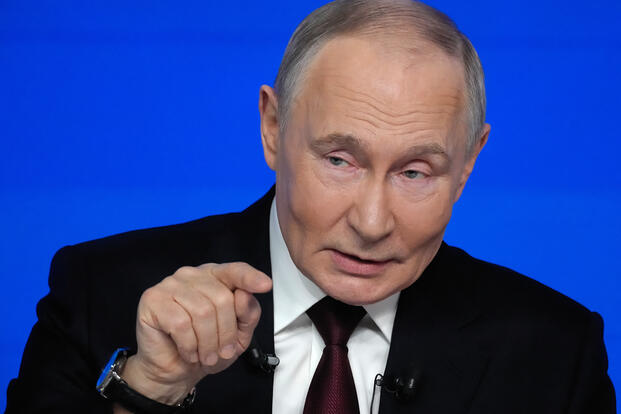
Source Signals: The summit leaders opted for a capital‑market loan rather than tapping frozen Russian assets, citing belgium’s reservations about retaliation. Putin characterised the use of those assets as “robbery” and warned it would undermine confidence in the eurozone. He also claimed a strong flow of volunteer soldiers, exceeding 400,000 this year, and responded to a widow’s pension query with a personal apology.
WTN Interpretation: Western policymakers are incentivised to demonstrate fiscal ingenuity while avoiding direct confrontation with a key EU member that hosts the majority of the frozen reserves. Belgium’s caution reflects a constraint: exposure to potential Russian legal or cyber retaliation could jeopardise its financial sector. By turning to capital markets, the coalition preserves the legal shield around the assets but incurs higher borrowing costs and signals market confidence in sovereign credit. For Russia, framing asset use as “robbery” serves to rally domestic support and signal to external actors that further financial encroachments could trigger broader risk‑premium adjustments across the eurozone. The reported volunteer surge provides a narrative of internal legitimacy for the Kremlin, yet the reliance on volunteers also masks underlying recruitment pressures.
WTN Strategic Insight
“The contest over frozen sovereign assets illustrates how modern sanctions have turned balance‑sheet holdings into de‑facto bargaining chips, reshaping the calculus of fiscal support in conflict zones.”
Future Outlook: Scenario Paths & Key Indicators
Baseline Path: If Western capitals maintain the capital‑market financing route and Belgium’s stance remains unchanged,the frozen asset pool will stay insulated,preserving eurozone market confidence. ukraine will receive the loan, but the precedent of using frozen assets for crisis funding will be delayed, limiting future leverage options for the EU.
Risk Path: If political pressure mounts within the EU to unlock the frozen assets-driven by prolonged funding gaps for Ukraine or a shift in Belgian risk tolerance-the coalition may pursue a legal or legislative pathway to tap the reserves. Such a move could trigger retaliatory measures from russia, including targeted sanctions on european financial institutions, potentially raising sovereign‑risk spreads across the eurozone.
- Indicator 1: Outcome of the European Council meeting on sanctions policy scheduled for march 2026, particularly any language on asset utilization.
- Indicator 2: Market reaction (credit default swap spreads) for eurozone sovereigns following any public statement by Russian authorities about “retaliatory” financial actions.
