
.
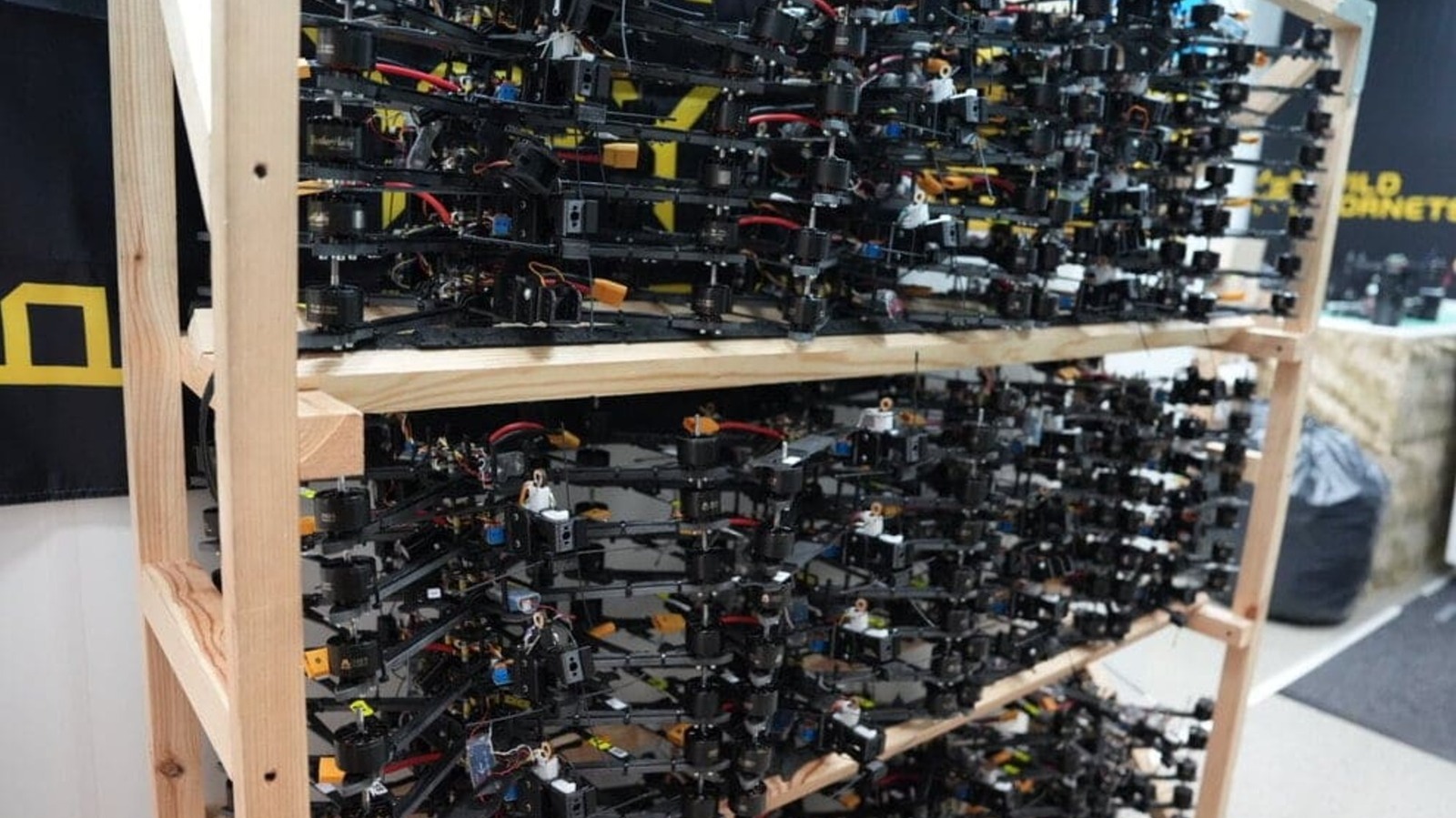
Ukraine’s drone industry is now at the center of a structural shift involving autonomous warfare and supply‑chain sovereignty. The immediate implication is a reshaping of regional power balances and defense‑procurement dynamics.
The Strategic Context
Unmanned systems have moved from niche experimentation between the world wars to a cornerstone of modern combat, driven by the broader trend of technology diffusion in a multipolar security habitat. The war in Ukraine has accelerated the decentralization of high‑tech manufacturing, turning a fragmented network of small firms into a quasi‑industrial base that can field a diversity of platforms faster than traditional defense contractors. This evolution occurs against a backdrop of intense great‑power competition for control of critical components-most notably the dominance of a single Chinese firm in the global quadcopter market-and a growing Western emphasis on “strategic autonomy” in defense supply chains.
Core Analysis: Incentives & Constraints
Source Signals: The source confirms that ukraine now hosts roughly 500 drone‑related companies, has expanded production from hundreds of thousands of units in 2022 to over 4 million in 2025, and that only about 5 % of these firms operate without Chinese‑made components. It notes Motor‑G’s effort to produce 100,000 electric motors per month, the variety of UAV types (quadcopters, fixed‑wing, turbojet, cable‑controlled), and the emergence of specialized roles such as aerial interception and jam‑resistant platforms.
WTN Interpretation: Ukraine’s primary incentive is to offset conventional military asymmetries by fielding cost‑effective, high‑volume unmanned systems that can supplement artillery and strike deep targets. The rapid growth of a domestic supplier base provides leverage in negotiations with Western partners, who seek indigenous sources to reduce reliance on Chinese components. Constraints include a limited industrial base, heavy dependence on imported electronics, vulnerability to export controls or sanctions on Chinese parts, and the need for sustained financing amid a protracted conflict. The push by firms like Motor‑G to internalize motor production reflects a strategic move toward supply‑chain resilience,but scaling such capability will require capital,technical expertise,and stable logistics.
WTN Strategic Insight
”The Ukrainian drone surge demonstrates how conflict can fast‑track the decentralization of high‑tech manufacturing, a pattern that will likely reappear wherever great‑power rivalry meets local security pressure.”
Future Outlook: Scenario paths & Key Indicators
Baseline Path: If Ukraine continues to secure Western financing and can incrementally replace Chinese components with domestically produced parts, the drone ecosystem will mature into a semi‑autonomous supply chain. This would deepen NATO‑Ukraine interoperability, encourage export of Ukrainian UAVs to allied markets, and cement the sector as a strategic asset in the broader European defense architecture.
Risk Path: If export restrictions on Chinese electronics tighten, or if Russian electronic‑warfare capabilities successfully degrade Ukrainian UAV operations, the industry could face a material shortfall. A supply shock would force a slowdown in production, increase reliance on foreign (perhaps adversarial) sources, and could diminish the tactical impact of Ukraine’s unmanned assets.
- Indicator 1: Monthly output reports from Motor‑G on electric‑motor production volumes (tracked through industry bulletins and trade data).
- Indicator 2: Announcements of export contracts or licensing agreements between Ukrainian drone firms and NATO member states.
- Indicator 3: changes in Chinese export‑control policies affecting UAV components, observable through customs statistics and trade‑policy releases.
- Indicator 4: Reports of Russian electronic‑warfare deployments targeting UAV communications in the frontline zones.
