
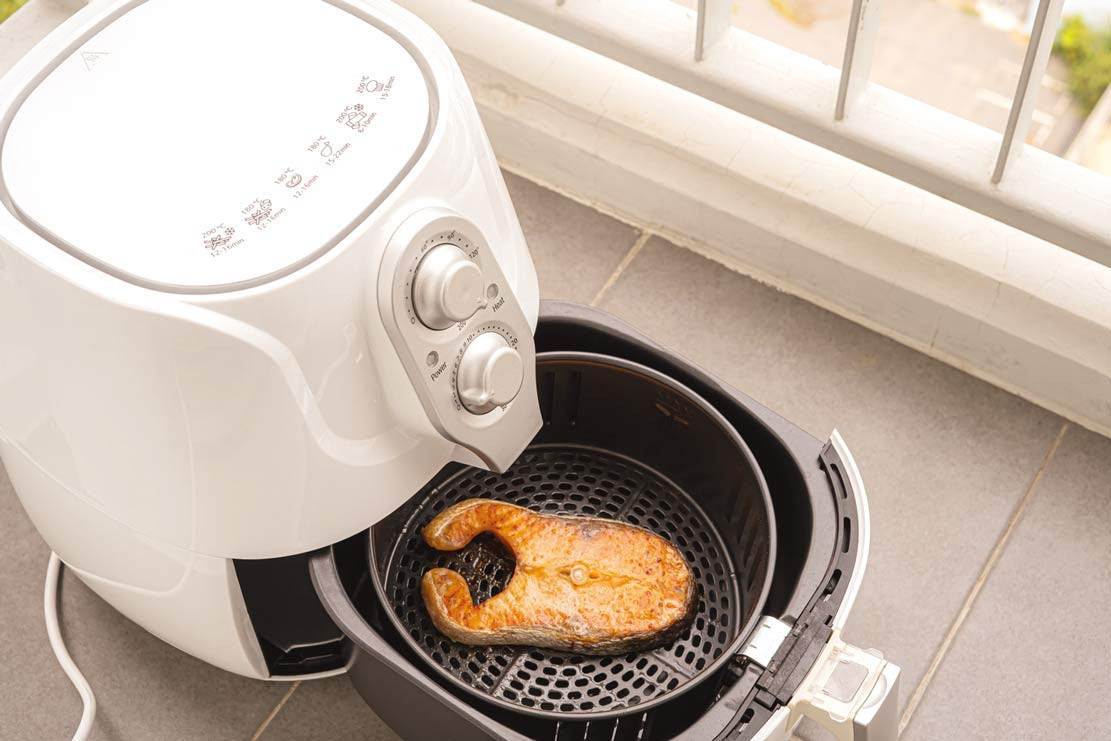
produce.
South Korea’s home‑appliance sector is now at the center of a structural shift involving ultrafine‑particle emissions from everyday devices. The immediate implication is heightened scrutiny of indoor air quality and potential regulatory action that could affect manufacturers,retailers,and public‑health budgeting.
The Strategic Context
As the early 2000s,South Korea has pursued rapid urbanisation and high household appliance penetration as part of it’s “smart home” agenda,driving economic growth and export competitiveness. Simultaneously occurring, the nation’s public‑health system has grappled with rising chronic‑respiratory disease rates, especially among children in densely populated apartments.The convergence of a technologically advanced consumer market with an aging indoor‑environment regulatory framework creates a structural tension: high‑value appliance sales versus emerging evidence of indoor particulate hazards.
Core Analysis: Incentives & constraints
Source Signals: A study by researchers at Pusan National University measured ultrafine particles (UFP) emitted from common appliances such as toasters, hair dryers and air fryers.An empty toaster was found to release roughly 1.7 trillion particles per minute, with particle sizes below 100 nm that can bypass nasal filtration and reach deep lung tissue. Computational breathing models indicated higher exposure for children due to narrower airways. The particles contained trace heavy metals (copper, iron, aluminium, titanium, silver) linked to inflammation and cellular damage.
WTN Interpretation: The research aligns with a broader global trend of recognizing indoor air as a significant health vector, prompting governments to reassess product safety standards. South Korean manufacturers have an incentive to preserve market share and avoid costly redesigns, so they may lobby for voluntary standards or emphasize existing filtration technologies. Conversely, the Ministry of Environment and public‑health agencies possess leverage through statutory authority to mandate emission limits, especially if epidemiological data show a rise in pediatric respiratory admissions. Constraints include the fragmented nature of indoor‑air regulation (multiple agencies, limited enforcement budget) and the economic importance of the home‑appliance export sector, which could temper the speed of policy adoption.
WTN Strategic Insight
“The rise of ultrafine‑particle emissions from everyday appliances illustrates how domestic technology can become a hidden vector of public‑health risk, prompting a regulatory feedback loop that reshapes both product design and indoor‑environment governance.”
Future Outlook: Scenario Paths & Key indicators
Baseline Path: If current research dissemination continues without a major health incident, industry will likely adopt voluntary emission‑reduction measures, and the ministry of Environment will issue non‑binding guidelines within the next 12 months. Market impact will be modest, with manufacturers emphasizing “low‑UFP” certifications to differentiate products.
Risk Path: Should epidemiological surveillance detect a statistically significant uptick in pediatric respiratory cases linked to indoor appliance use, or if a high‑profile media exposé amplifies public concern, the government may enact binding emission standards and impose certification requirements, potentially disrupting supply chains and prompting a rapid redesign cycle.
- Indicator 1: Publication of the Korean Ministry of Environment’s indoor‑air quality monitoring report (scheduled for Q2 2026).
- Indicator 2: agenda item on appliance emission standards at the upcoming National Assembly health‑policy commitee meeting (planned for late Q3 2026).
