
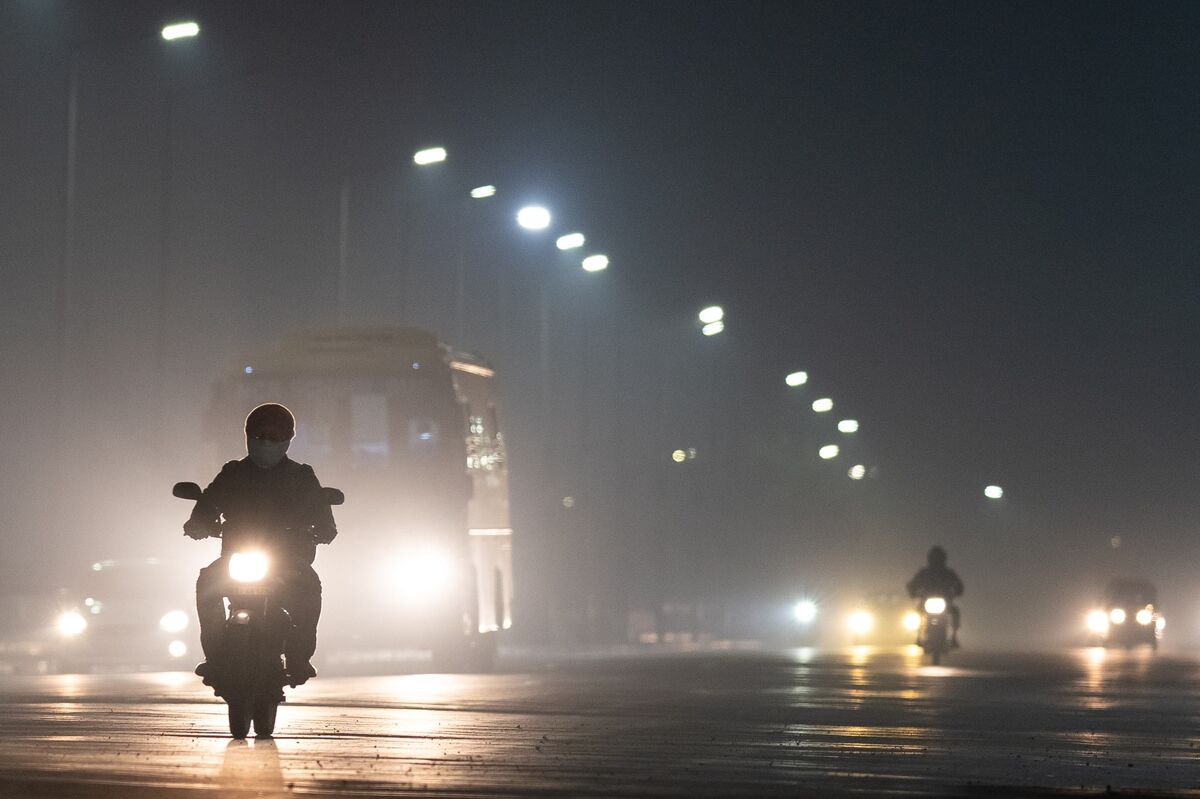
India is now at the center of a structural shift involving air‑quality governance. The immediate implication is heightened regulatory pressure on energy, transport adn manufacturing sectors, with downstream effects on investment decisions and public‑health planning.
The Strategic Context
Delhi has long grappled with seasonal smog driven by rapid urbanization, a vehicle fleet that has more than doubled in the past decade, and a power mix still reliant on coal.The city’s geography-situated in a basin that traps pollutants during winter inversions-exacerbates exposure spikes. Over the past five years, India has pledged to meet its nationally determined contributions under the Paris Agreement, while domestic political cycles have made clean‑air performance a visible metric of governance legitimacy. These structural forces-urban growth, energy transition constraints, and climate‑policy commitments-create a backdrop in which sudden toxin spikes trigger swift policy responses.
Core analysis: Incentives & Constraints
Source Signals: India stepped up anti‑pollution curbs in New Delhi and nearby areas after a sudden spike in airborne toxins.
WTN Interpretation: The government’s immediate incentive is to avert public unrest and preserve political capital ahead of upcoming state elections, while signaling compliance with international climate expectations. Leveraging its authority over vehicle registration, fuel standards, and industrial permits, Delhi can impose temporary restrictions on diesel generators, enforce stricter emission norms, and accelerate the rollout of electric public transport. Constraints include the entrenched dependence on coal‑fired power for grid reliability, lobbying pressure from heavy‑industry chambers, and fiscal limits that restrict large‑scale subsidies for clean‑technology adoption. Seasonal weather patterns also limit the effectiveness of short‑term measures,making sustained compliance a structural challenge.
WTN Strategic Insight
“Air quality is becoming the new litmus test for governance credibility in fast‑growing megacities.”
Future Outlook: scenario Paths & Key Indicators
Baseline Path: If the curbs are calibrated to seasonal peaks and paired with incremental clean‑energy investments, Delhi’s PM2.5 levels will gradually decline, prompting a predictable shift toward stricter long‑term emission standards. Industries will adapt through modest technology upgrades, and investor confidence will remain stable as policy signals become clearer.
Risk Path: If enforcement proves inconsistent or if curbs trigger abrupt power shortages, industrial groups may lobby for policy roll‑backs, leading to legal challenges and potential suspension of measures. A resurgence of high‑toxin episodes could force emergency shutdowns of key manufacturing units, creating short‑term economic shocks and raising the risk of social discontent.
- Indicator 1: Monthly average PM2.5 concentrations for Delhi during the November‑February winter window (to be released by the Central Pollution Control Board).
- Indicator 2: Scheduled announcements from the Ministry of Habitat on revised vehicle emission standards or coal‑plant de‑commissioning timelines within the next three to six months.
