
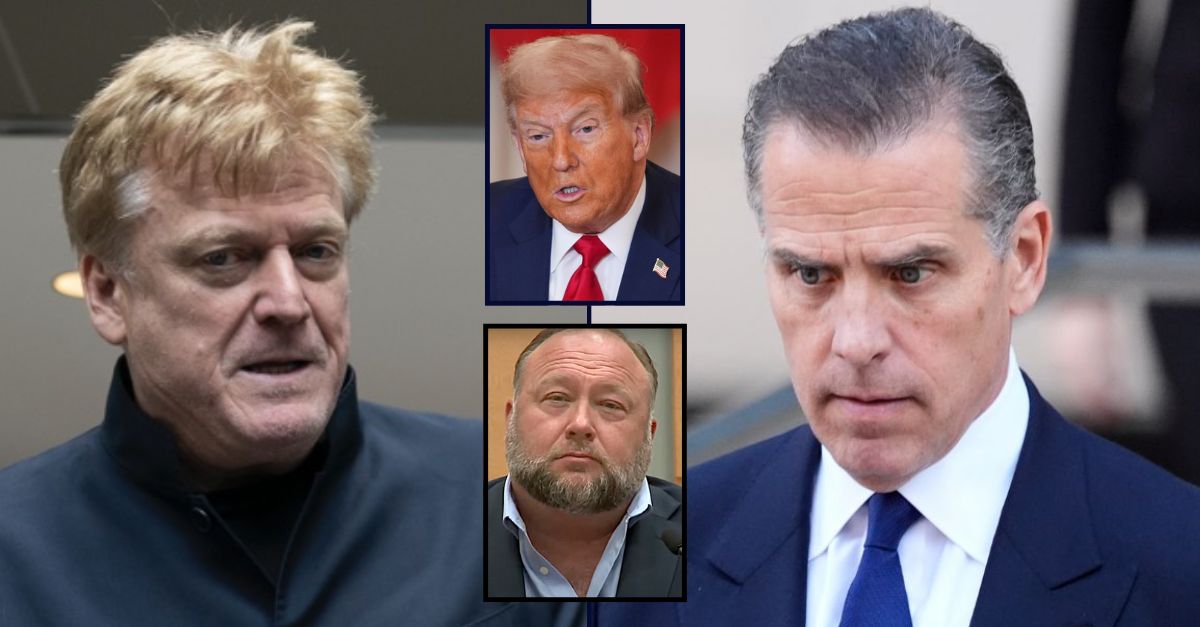
Patrick Byrne is now at the center of a structural shift involving high‑profile defamation litigation and media amplification. The immediate implication is heightened legal and reputational risk for political actors who rely on fringe media platforms to shape public narratives.
The Strategic Context
The united States’ political arena has increasingly intersected with partisan media ecosystems that thrive on sensational claims. Over the past decade, a convergence of fragmented media ownership, the rise of social‑media amplification, and a polarized electorate has created a feedback loop where legal disputes become tools for narrative control. Defamation suits involving political figures have moved from private settlements to public spectacles, reflecting broader trends of litigation being used to signal credibility or to deter adversarial messaging. This case sits at the nexus of those dynamics, illustrating how personal legal battles can reverberate through the broader data environment.
Core Analysis: Incentives & Constraints
Source Signals: The filing confirms that Hunter Biden alleges Patrick Byrne repeatedly repeated defamatory statements on Alex Jones‑hosted programs, that the clips have been widely viewed on X, and that the court has entered a default sanction against Byrne. The plaintiff seeks punitive damages, citing Byrne’s alleged violations of protective orders and ongoing public dissemination of the contested claims.
WTN Interpretation: Byrne’s continued use of fringe media platforms serves multiple strategic purposes: it sustains his visibility among a loyal audience, reinforces his positioning as a whistle‑blower aligned with anti‑establishment narratives, and potentially leverages public pressure to influence judicial outcomes. His leverage derives from a network of sympathetic media outlets and a constituency that values contrarian messaging. Constraints include the court’s authority to impose sanctions, the risk of escalating punitive damages, and the broader legal precedent that may deter similar tactics if punitive awards become substantial. For Hunter Biden, pursuing a robust damages claim functions as a deterrent against future defamation and as a signal to allies that legal avenues remain viable despite the politicized media landscape.
WTN Strategic Insight
”When defamation disputes become broadcast events,the courtroom transforms into a stage for competing narratives,amplifying the strategic value of legal outcomes beyond the parties involved.”
Future Outlook: Scenario Paths & Key Indicators
Baseline Path: If the court proceeds with a punitive damages award and enforces compliance with protective orders, Byrne’s ability to use high‑visibility fringe platforms will be curtailed, prompting a shift toward more discreet channels for political messaging.This could modestly reduce the volatility of defamation‑driven media cycles.
Risk Path: If Byrne successfully evades substantial penalties-through appeals, procedural delays, or settlement-the precedent of limited punitive enforcement may embolden other political actors to employ similar media‑driven defamation tactics, sustaining a feedback loop of sensational claims and legal confrontations.
- Indicator 1: upcoming court rulings on the scope of punitive damages in the Byrne case (expected within the next 3‑4 months).
- Indicator 2: volume and reach metrics of Byrne‑related content on major fringe platforms during the next quarter, as tracked by social‑media analytics.
