
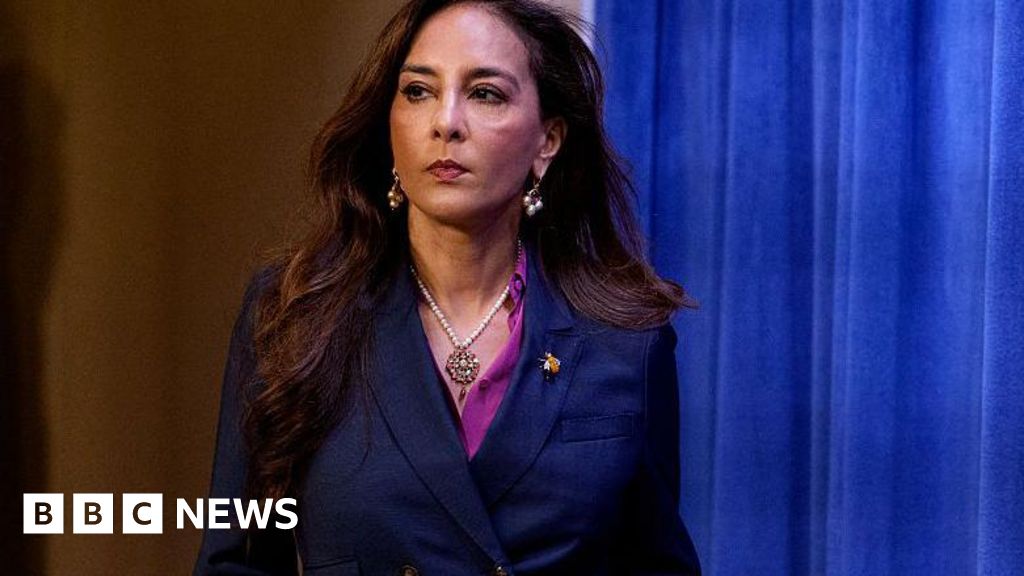
the Department of Justice is now at the center of a structural shift involving federal oversight of state election management. The immediate implication is a heightened contest over the balance of authority between national civil‑rights enforcement and state‑level control of ballot integrity.
The Strategic Context
As the 2020 presidential election, the United States has experienced a deepening fissure between federal agencies tasked with enforcing civil‑rights statutes and state officials who manage election logistics. The civil‑rights framework, anchored in the Voting Rights Act and related statutes, historically gave the federal government a backstop against discriminatory practices, but its scope has been contested by states asserting sovereignty over election administration. The 2020 contest amplified partisan polarization,with claims of widespread fraud fueling legislative and judicial actions at both levels. This environment creates a structural tension: a federal push to standardize and audit election processes versus a state‑driven narrative of local autonomy and electoral legitimacy.
Core Analysis: Incentives & Constraints
Source Signals: The Justice Department has filed a lawsuit demanding Fulton County, Georgia, produce all 2020 ballot materials, alleging a civil‑rights violation. The department frames the request as necesary to prevent ”vote dilution” and to enforce federal election law. Fulton county officials have indicated the ballots are sealed and cannot be released without a court order. The lawsuit follows a pattern of post‑election legal challenges by the Trump administration, and it occurs amid ongoing criminal proceedings related to the same election in the same jurisdiction.
WTN Interpretation: The DOJ’s action serves multiple strategic purposes. First,it reinforces the administration’s broader narrative that election outcomes require federal validation,thereby bolstering the incumbent’s political legitimacy.Second,the lawsuit leverages the civil‑rights enforcement toolkit to compel state compliance,signaling to other jurisdictions that similar demands may follow. The timing aligns with the administration’s desire to consolidate institutional control before the next electoral cycle, using legal mechanisms to pre‑empt state‑level reforms that could limit federal oversight. Constraints include judicial independence, the entrenched doctrine of state sovereignty over elections, and the political risk of being perceived as overreaching, which could galvanize opposition lawmakers and affect upcoming midterm contests.
WTN Strategic Insight
“When federal civil‑rights enforcement collides with state election autonomy, the resulting legal tug‑of‑war reshapes the architecture of American democratic legitimacy.”
Future Outlook: Scenario Paths & key Indicators
Baseline Path: If the DOJ’s lawsuit proceeds without major judicial obstruction, Fulton County may be compelled to release the requested materials under a court order. This would set a precedent for federal subpoenas in other contested states, reinforcing a pattern of centralized oversight. The administration would likely use the findings to substantiate its narrative of election integrity, while state legislators may pursue modest adjustments to ballot‑handling procedures without wholesale reforms.
Risk Path: If courts block the subpoena on grounds of state sovereignty or procedural deficiencies,the DOJ could intensify litigation,potentially escalating to higher appellate courts.A protracted legal battle could amplify partisan polarization,trigger legislative pushback in multiple states,and inspire new federal or state statutes aimed at limiting cross‑jurisdictional subpoenas. In the worst case, the dispute could spill into the 2026 election cycle, affecting candidate positioning and voter confidence.
- Indicator 1: Upcoming rulings from the district court handling the Fulton County subpoena, expected within the next 3‑4 months.
- Indicator 2: Legislative activity in state legislatures on election‑law reforms, especially bills addressing ballot‑handling transparency and federal oversight, scheduled for debate in the next legislative session.
