
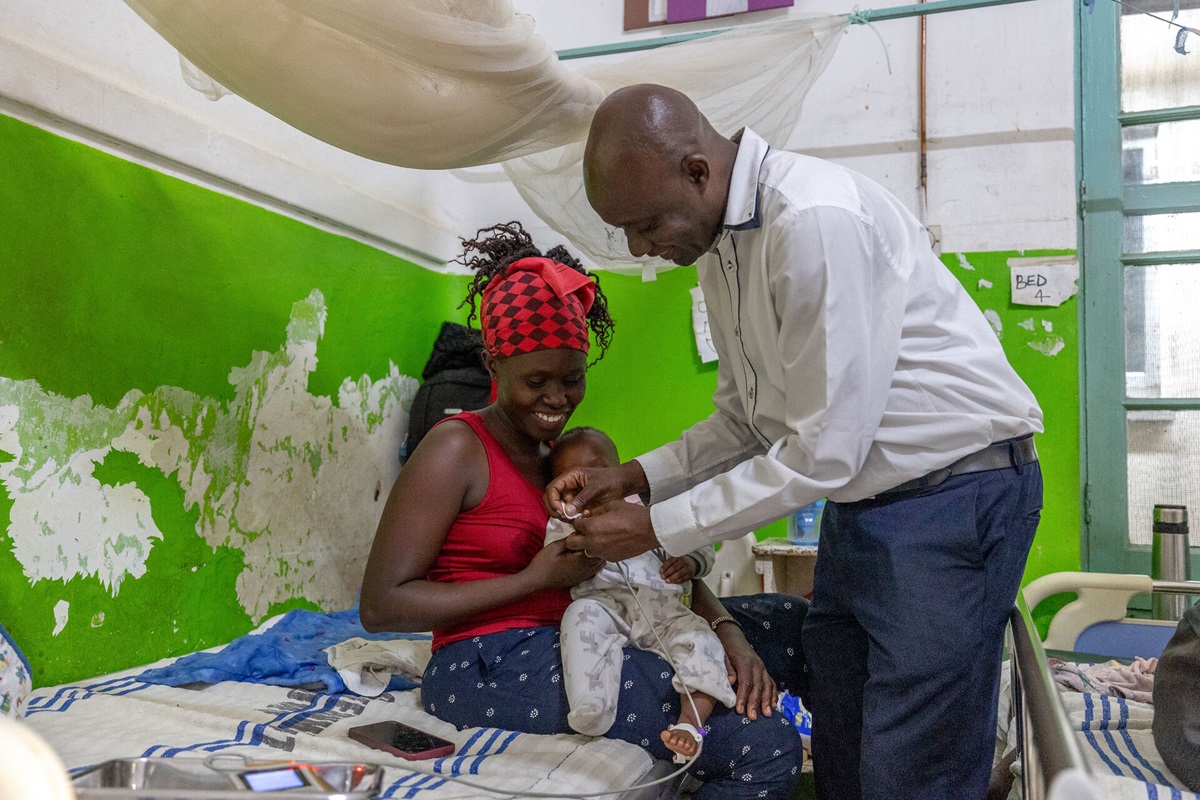
Summary of the World Malaria Report 2024: Key Findings & challenges
This report paints a concerning picture of the global fight against malaria, highlighting a reversal of progress and a growing number of challenges. Here’s a breakdown of the key takeaways:
Key Statistics & Trends:
* Rising Cases & Deaths: There were an estimated 249 million malaria cases and 610,000 deaths in 2024. This is a notable increase,with deaths more than three times the global target.
* Africa Most Affected: 95% of deaths occurred in the WHO African Region, disproportionately affecting children under 5.
* Drug Resistance: A major threat – antimalarial drug resistance is growing, confirmed or suspected in at least 8 African countries. There are also signs of declining effectiveness of drugs combined with artemisinin. Resistance to pfhrp2 is undermining diagnostic tests.
* Insecticide Resistance: Pyrethroid resistance is confirmed in 48 countries, reducing the effectiveness of insecticide-treated nets. The invasive Anopheles stephensi mosquito (resistant to many insecticides) is spreading in Africa.
Contributing Factors & Challenges:
* Funding Gaps: Global funding has plateaued, reaching only US$3.9 billion in 2024, far short of the US$9.3 billion target. Recent cuts in Official Progress Assistance (ODA) are disrupting health systems and interventions.
* Climate change: Extreme weather events are altering mosquito habitats and transmission patterns, leading to increased outbreaks.
* Conflict & Instability: Disruptions to health services due to conflict are limiting access to care and delaying treatment.
* Diagnostic Issues: pfhrp2 gene deletions are impacting the reliability of rapid diagnostic tests.
Hopeful Developments & Recommendations:
* New Tools: New prevention tools offer hope, and the development of the first non-artemisinin combination therapy (Ganaplacide-Lumefantrine) is a significant breakthrough.
* Country Leadership: The report emphasizes the need for strong political commitment and leadership from malaria-endemic countries, as outlined in the Yaoundé Declaration.
* increased Investment: Targeted investment and a unified approach (“Big Push” initiative) are crucial to achieving malaria elimination.
* Continued Research & Development: Developing new medicines with new mechanisms of action is essential to stay ahead of drug resistance.
In essence, the report warns that progress against malaria is stalling and even reversing due to a complex interplay of biological, environmental, political, and financial challenges. A renewed and intensified global effort is needed to get back on track towards a malaria-free world.
