
Netherlands Considers Safe Havens for LGBTQ+ Asylum Seekers Following Reports of Abuse
Amsterdam, Netherlands – A growing chorus of voices in the Netherlands is calling for dedicated reception centers for vulnerable LGBTQ+ asylum seekers, inspired by a successful German model. The push comes after disturbing reports of violence, intimidation, and bullying experienced by queer refugees arriving in the contry, highlighting a critical gap in current asylum support systems.
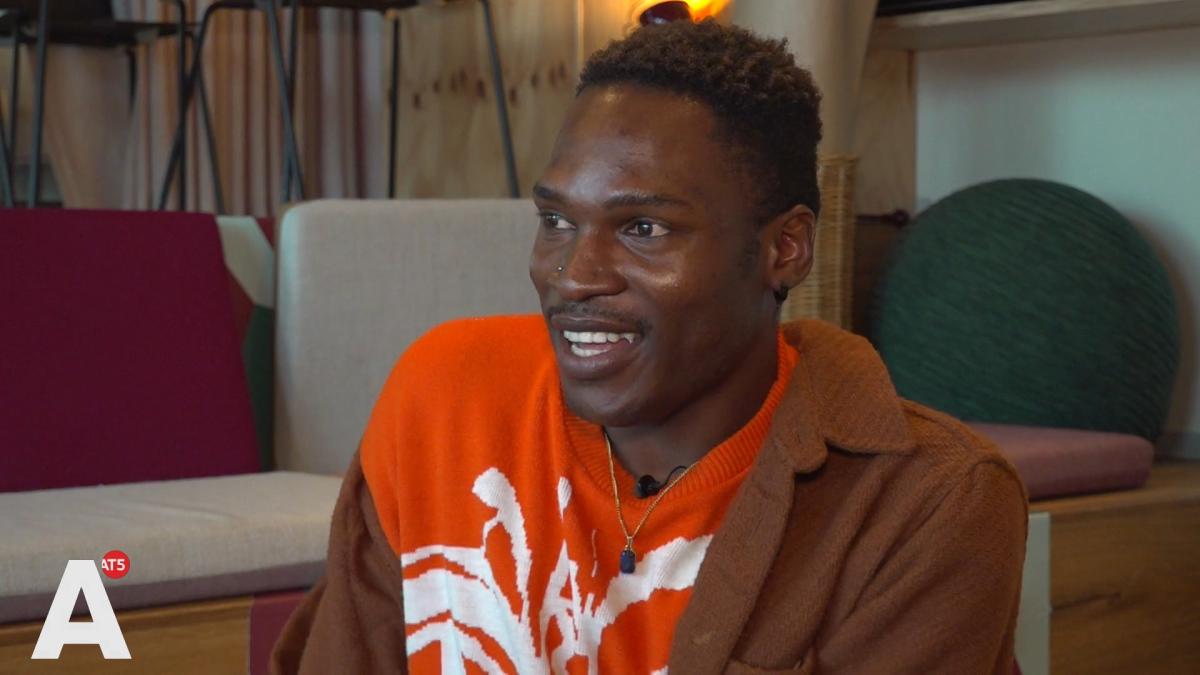
The impetus for change stems from the harrowing experience of individuals like Omari, a Nigerian man who fled persecution in his homeland due to his sexual orientation. After a years-long journey, Omari arrived at the Ter Apel registration center in 2023, only to face verbal and physical abuse from other asylum seekers specifically targeting his identity.
“I was fully stunned,” Omari recounted, expressing his shock at encountering such hostility within the Netherlands. “I never expected this.”
Due to EU regulations governing asylum claims, Omari’s case was transferred to Germany, where he was offered placement in a specialized reception center for vulnerable refugees. He now resides in cologne, holding a residence permit and experiencing a sense of safety he hadn’t anticipated.
Omari’s story is far from isolated. According to data from COC Netherlands, a leading LGBTQ+ advocacy institution, a staggering 60% of LGBTQ+ refugees report experiencing violence, intimidation, or bullying. this alarming statistic underscores the urgent need for tailored support.
Germany’s Pioneering Approach
The proposal gaining traction in the Netherlands draws heavily from Germany’s established network of specialized reception centers. currently, eighteen such locations operate near Dortmund, providing safe and supportive environments for vulnerable asylum seekers, including those identifying as LGBTQ+. These centers offer not only physical safety but also crucial emotional and psychological support, recognizing the unique trauma often experienced by this population.
“These reception locations show that vulnerable refugees can be received safely,” Omari affirmed, reflecting on his positive experience in Germany. “in Germany I found safety and felt love around me.”
suleyman Aslami, a D66 councilor and proponent of the initiative, emphasizes the proposal’s preliminary stage. “This is currently just a proposal,” he stated.”Discussions with the municipality and the Central Agency for the Reception of Asylum Seekers (COA) are still necessary. No definitive plans or locations have been resolute yet.”
However, Aslami’s initiative signals a growing recognition within Dutch political circles of the specific vulnerabilities faced by LGBTQ+ asylum seekers and the need for proactive measures to ensure their safety and well-being. The debate is expected to intensify as the Netherlands grapples with providing humane and effective asylum procedures for all seeking refuge within its borders.
Keywords: LGBTQ+ refugees, asylum seekers, Netherlands, Germany, Ter Apel, COC Netherlands, vulnerable refugees, asylum reception centers, LGBTQ+ rights, immigration, Suleyman Aslami, D66, COA, queer asylum seekers, refugee crisis, human rights.
