
Record-Breaking Dinosaur Discovery Unearths 18,000 Tracks in Bolivia
Carreras Pampa, Bolivia – Paleontologists have announced the discovery of an unprecedented 18,000 dinosaur tracks along an ancient coastline in Bolivia, establishing a new world record for the largest collection of dinosaur footprints. The remarkable find, detailed at the Society of Vertebrate Paleontology conference, offers a unique window into the behavior and diversity of dinosaurs that roamed South america during the Cretaceous period.
The sheer number of imprints reveals Carreras Pampa was a major prehistoric thoroughfare, providing invaluable insights into dinosaur movement and social dynamics. researchers believe the parallel arrangement of some trackways indicates certain species traveled in herds. This discovery not only surpasses all previous tracksite finds but also solidifies Bolivia’s position as a global hotspot for dinosaur footprint preservation, perhaps reshaping our understanding of dinosaur life.
The tracksite, located in the department of potosí, preserves footprints from a variety of dinosaur species, offering a extensive record of the region’s ancient ecosystem. “The abundance of imprints shows that Carreras Pampa was a prehistoric highway,” explained jeremy McLarty, a paleontologist involved in the research. “And the parallel orientation of some trackways suggests some dinosaurs traveled in groups.”
Bolivia already held the previous record for the second-largest dinosaur tracksite, Cal Orck’o, wich is situated within an active quarry and presents a different preservation context.”The tracksite with the next highest number of tracks is also in Bolivia,” McLarty said. “The Cal Orck’o tracksite is located in an active quarry as a nearly vertical wall and is long and thin. The Carreras Pampa tracksite is spread out across a wider area.”
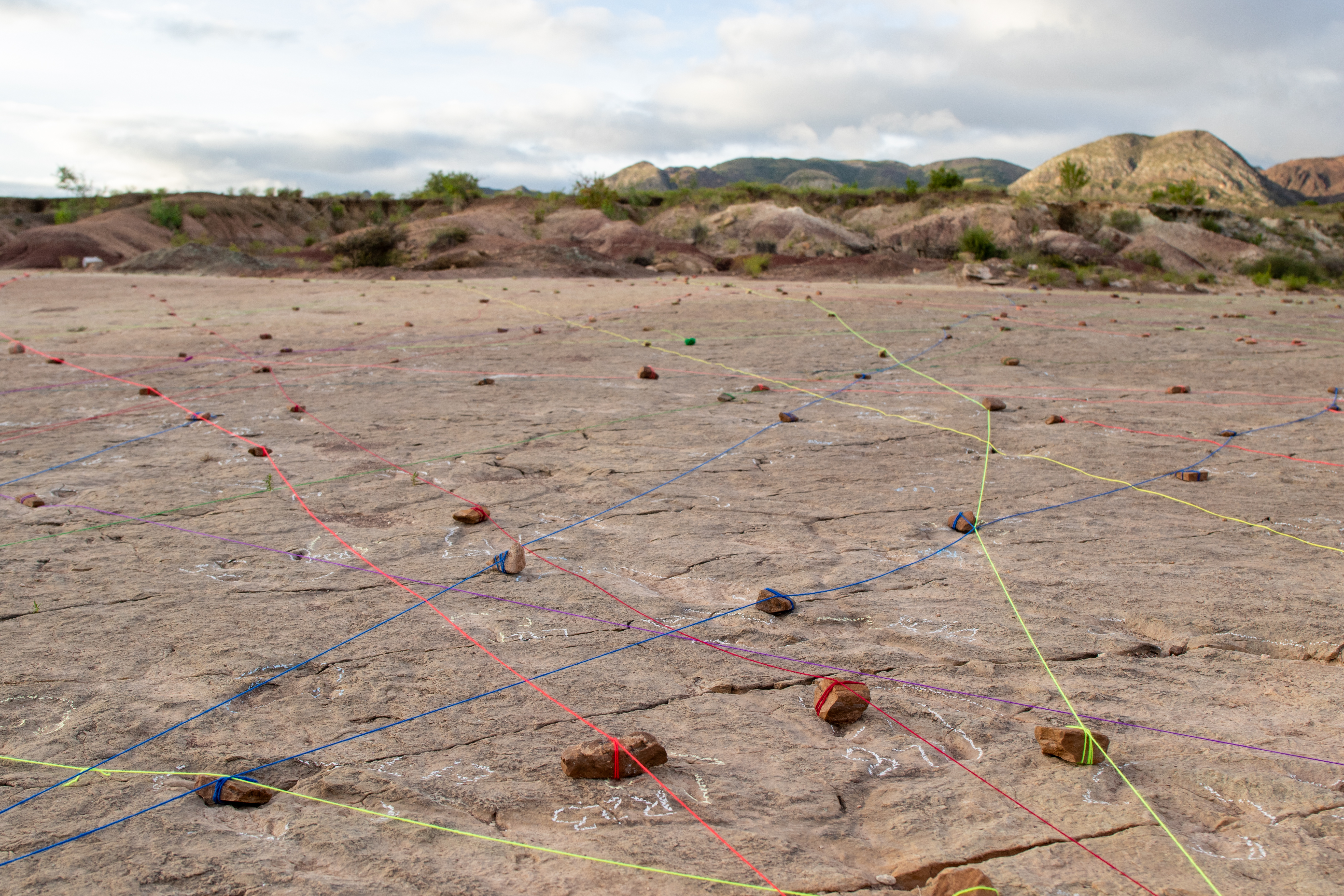
The research team utilized lines of yarn to delineate individual dinosaur trackways, aiding in the analysis of gait and movement patterns. Further study of the carreras Pampa site is expected to yield even more detailed information about the dinosaurs that once inhabited this region, contributing considerably to the field of paleontology.
