
CDC Advisers Postpone Hepatitis B Vaccine Proposal Vote After Heated Debate
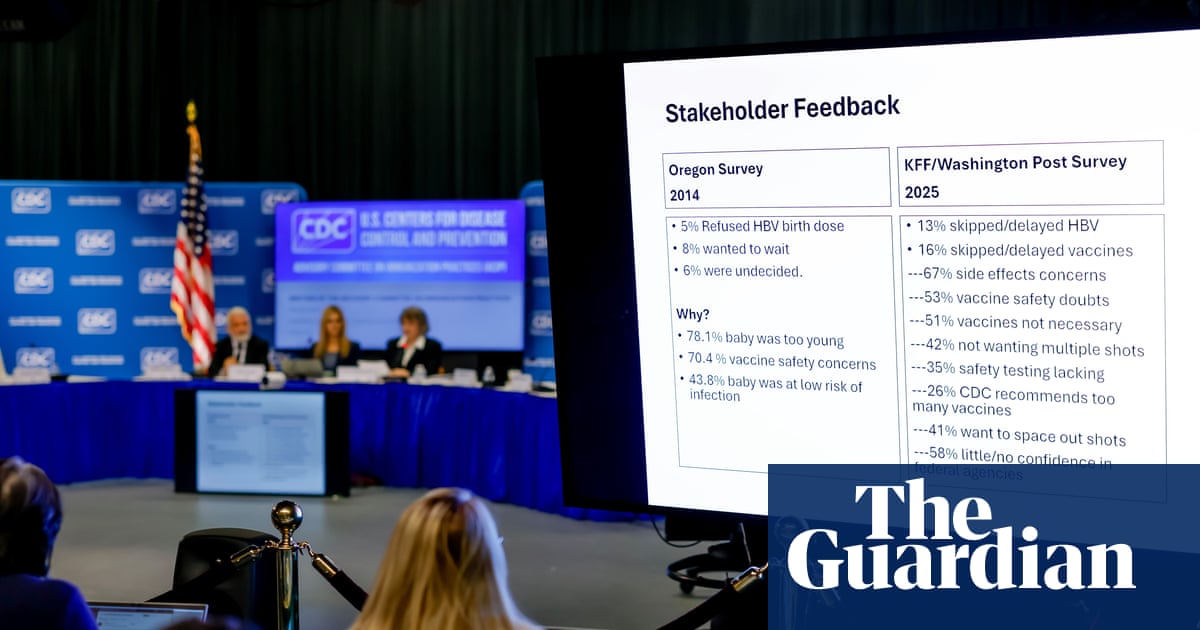
A vote on updated recommendations for infant hepatitis B vaccinations was delayed following a tense meeting of the Centers for Disease Control and PreventionS (CDC) Advisory Committee on Immunization Practices (ACIP). The delay stems from disagreements over the safety and effectiveness of the vaccine,especially regarding administration to newborns. The meeting reflects ongoing scrutiny of vaccine schedules dating back to the Trump administration.
During the meeting, presenter Brian Blaxill raised concerns about potential adverse effects, stating symptoms like “irritability, fatigue, weakness, diarrhea…that is absolutely not encephalitis.” Pediatrician and ACIP member Cody Meissner strongly disagreed, responding, “That’s not a statement that a physician would make. They are not related to encephalitis and you can’t say that.”
Meissner further emphasized the vaccine’s positive impact, stating, “This disease has gone down in the United states thanks to the effectiveness of our current immunization program.” This prompted an interruption from ACIP Vice-Chair Robert Malone, who asked, “In your opinion?” Meissner retorted, “Uhh, these are facts, Robert.” He later pressed Malone, asking, “I am asking you what is the risk of a hepatitis B vaccine in neonates?”
Fellow ACIP member Joseph Hibbeln, a psychiatrist and neuroscientist, questioned the evidence supporting vaccination before 30 days of age, asking Blaxill, “Is there any specific evidence of harm of giving this vaccination before 30 days? Or is this speculation?” blaxill conceded, “There is limited evidence about the long-term risk.”
A disagreement arose regarding vaccine injury compensation data. malone claimed documentation existed through the compensation program and on the package insert, while Meissner, a former chair of the vaccine injury compensation program, countered, “I can absolutely tell you that these are not confirmed associations.”
Outside experts also weighed in. Jane Seward, a retired CDC vaccine policy expert, criticized the presentations, stating, “The data presented are far from complete as far as the full picture of disease burden and safety,” and noting that “The ‘CDC’ presenters are not subject matter experts. No CDC experts have been invited to present or join working group discussions.” Seward also highlighted challenges related to healthcare access, warning that “Babies will be missed. Some will acquire a serious chronic infection that may result in liver damage or cancer.”
