
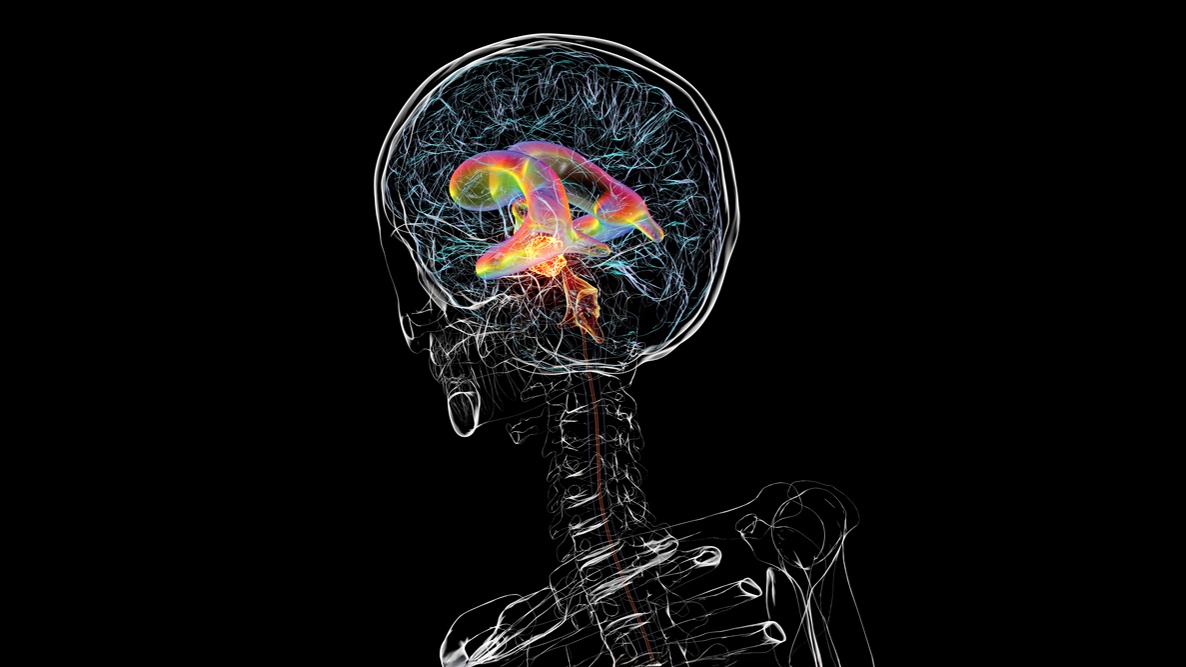
Study Reaffirms CSF Diversion as Effective Treatment for Gait & Autonomy in Elderly with Hydrocephalus, Highlights Importance of Patient Selection
BOSTON, MA – A new review of cerebrospinal fluid (CSF) diversion for idiopathic normal pressure hydrocephalus (iNPH) reinforces the procedure’s effectiveness in restoring gait, autonomy, and dignity to elderly patients, but emphasizes that success hinges on careful patient selection. Published this week, the analysis underscores that while surgical technique is significant, accurate clinical judgment remains the neurosurgeon’s most vital tool.
iNPH, a condition affecting an estimated 375,000 people in the United States alone, often presents with a triad of symptoms: gait disturbance, urinary incontinence, and cognitive decline. These symptoms can considerably diminish quality of life, and misdiagnosis is common, leading to delayed or inappropriate treatment. CSF diversion, typically achieved through a shunt, alleviates pressure on the brain by redirecting fluid, but identifying the patients most likely to benefit has been a long-standing challenge.
The findings confirm that patients experiencing a predominant gait disorder and demonstrating a positive response to initial CSF drainage are those who experience the greatest improvements following shunt placement. “CSF diversion, far from being a mere mechanical act, is an intervention that, when well indicated, restores lost gait, autonomy and dignity to the elderly,” the review states.
Beyond validating the procedure’s efficacy, the study points toward a future focused on personalized medicine.Researchers are now prioritizing efforts to better understand who benefits most from shunting and how to translate those benefits into measurable improvements in cognitive function and overall quality of life. Future studies should incorporate quality of life outcomes and cognitive parameters, researchers suggest, shifting the focus from simply proving the shunt works to maximizing its impact on individual patients.
In cases of diagnostic uncertainty, CSF shunting remains a safe option when supported by robust clinical reasoning and precise patient selection. The review ultimately reaffirms that remarkable neurosurgery is built on a foundation of refined technique, rigorous science, and, crucially, human discernment - a triad that transforms medical results into new beginnings for patients.
