
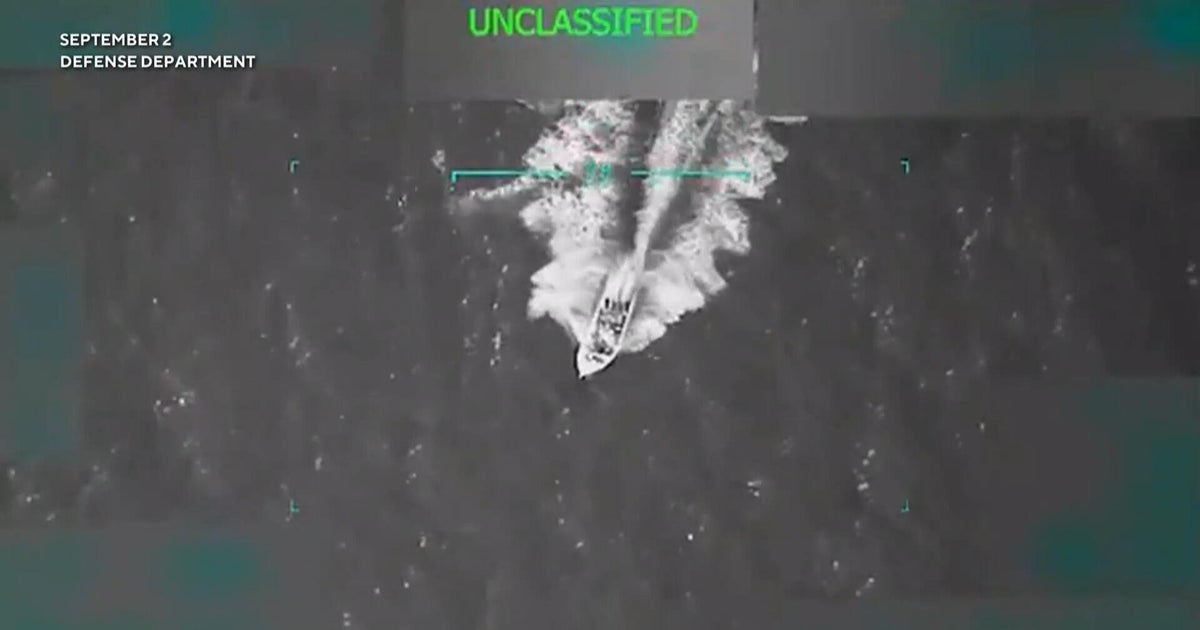
washington – The Trump administration’s narrative surrounding a September 2nd military strike against a suspected “narco-boat” has undergone notable shifts in recent weeks,raising questions about the extent of knowledge and authorization within the administration regarding a second,follow-up strike.
Initially, following reports of civilian casualties, White House officials maintained the operation was a justified response to narcoterrorism.Leavitt, a spokesperson, stated on November 29th that President Trump and Secretary Hegseth had authorized lethal targeting of such groups “in accordance with the laws of war,” and that Secretary Hegseth specifically authorized admiral Bradley to conduct the strikes. Leavitt also refuted claims that Hegseth had directed the killing of everyone on board the vessel.
However, subsequent statements have introduced inconsistencies. On december 1st,Senator roger Wicker,Chairman of the Senate Armed Services Committee,revealed that Hegseth “did indicate” a second attack occurred,while acknowledging he lacked data on potential survivors.
The following day,December 2nd,Hegseth told reporters he witnessed the first strike live but left before the second,stating he “moved on to my next meeting.” He later learned Bradley chose to “sink the boat and eliminate the threat,” a decision Hegseth supported. Hegseth also stated he did not “personally see survivors” after the first strike, citing the fire and “fog of war.”
President Trump himself added to the evolving account, stating he “didn’t know about the second strike” and characterizing the event as “an attack,” not a series of strikes. he had previously indicated he would not have wanted a follow-on attack.
The administration has defended its broader strategy, with Hegseth declaring, ”We’ve only just begun striking narco-boats and putting narco-terrorists at the bottom of the ocean.” Senator Wicker has indicated the Senate Armed Services Committee expects to review all audio and video footage of the incident.
