
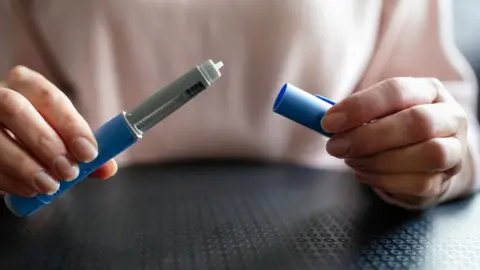
WHO Warns Global Shortage Limits Access to Obesity Medications
Geneva - The World Health Organization (WHO) has issued a warning that global production of GLP-1 therapies, frequently enough referred to as “skinny jabs,” will likely onyl be sufficient to treat around 100 million people – less than 10% of those who need them – even under optimistic projections. The announcement comes as the WHO acknowledges a fundamental shift in how society views obesity, recognizing it as a complex, preventable, and treatable chronic disease rather than simply a “lifestyle condition.”
These drugs, wich mimic a natural hormone to slow digestion and reduce appetite, can be taken long-term - for six months or more - but require concurrent advice on diet and exercise to maintain weight loss. Research indicates individuals may regain most lost weight within a year of discontinuing medication as normal cravings return.
“Our greatest concern is equitable access,” stated WHO Director-General Tedros adhanom Ghebreyesus. The organization is urging countries and pharmaceutical companies to expand access through strategies like voluntary licensing, allowing for the production of affordable generic versions. Patents on semaglutide, the active ingredient in Novo Nordisk’s Wegovy, are set to expire in several countries in 2026, potentially opening the door for cheaper alternatives in nations including India, Canada, China, Brazil, and Turkey.
The WHO also emphasizes the need for countries to foster healthier environments to prevent obesity, a condition affecting people worldwide and linked to 3.7 million deaths in 2024 alone. Obesity increases the risk of developing serious health problems such as diabetes, heart disease, stroke, and certain cancers.
Currently, the injections are prescription-only medicines, and while some are available through national health systems like the NHS in the UK, many are sold privately. The WHO cautions against purchasing these medications from unregulated sources, such as beauty salons or via social media, due to safety concerns. Individuals typically begin to experience weight loss within weeks of starting the weekly injections.
