
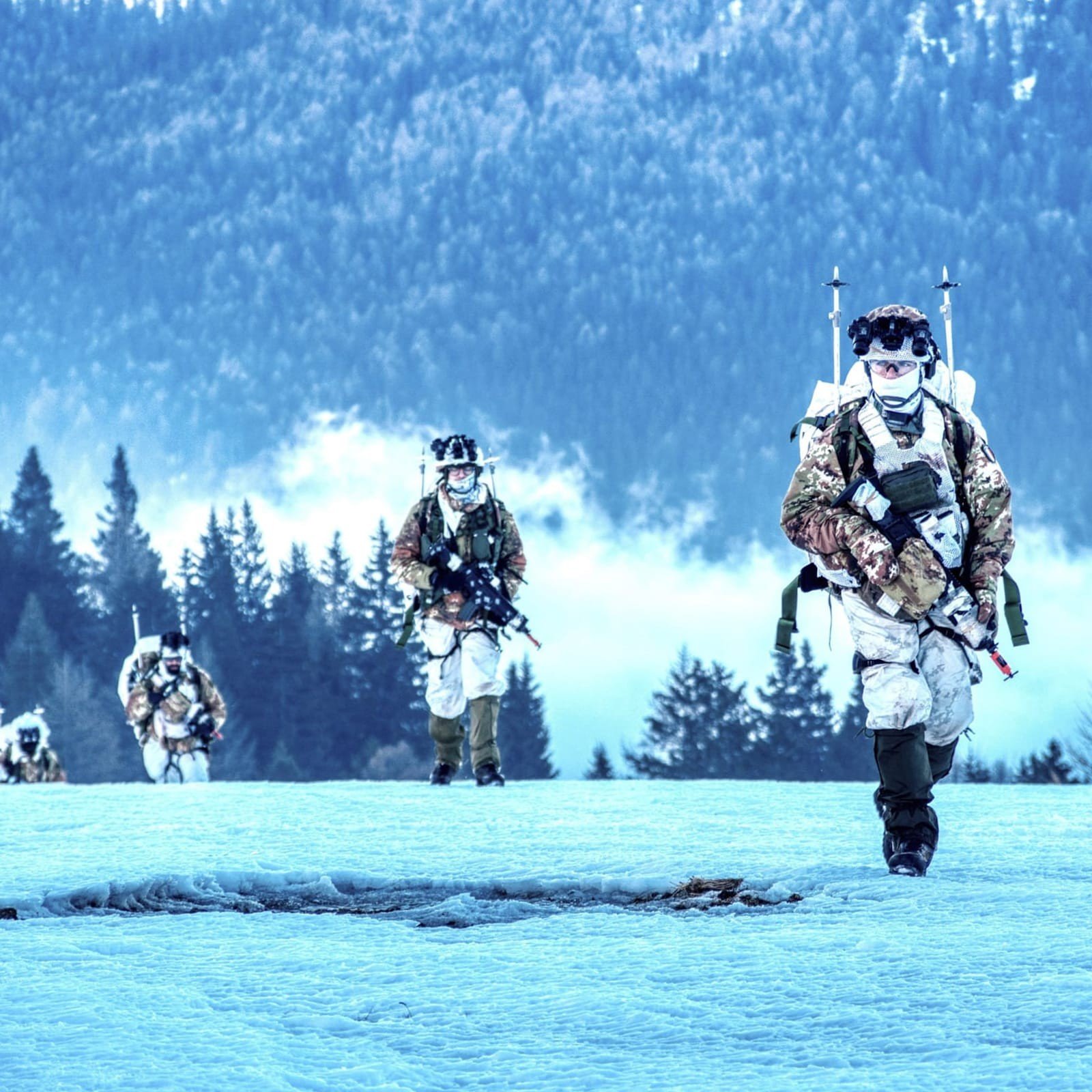
Italy Considers Reinstating Modified Compulsory Military Service, South Tyrolean Concerns Eased - For Now
Rome, Italy – November 29, 2025 – A proposal gaining traction within the Italian government could see a return to a form of national service, though currently envisioned as voluntary. Italian Defense Minister guido Crosetto has put forward a new defense concept that revives discussion of mandatory military duty, sparking debate and, initially, anxiety among young citizens in the autonomous province of South Tyrol.
The plan, still requiring approval from the Council of Ministers and parliamentary passage, aims to bolster Italy’s defense capabilities amidst a shifting geopolitical landscape. For South Tyroleans, the proposal triggered memories of the “Naja” – the compulsory military service previously required of young men, a system suspended but not formally abolished. Fears of its reinstatement have been prevalent, rooted in the region’s history and unique autonomous status. However, Crosetto’s current proposal emphasizes voluntary participation, seemingly allaying those immediate concerns.
Crosetto, a close advisor to Prime Minister Giorgia Meloni, is the driving force behind the initiative. While details remain fluid, the concept centers on offering young Italians opportunities for national service, potentially encompassing both military and civilian roles. This move reflects a broader trend across Europe, where several nations are re-evaluating defense preparedness and exploring options to strengthen their armed forces.
The “Naja” system, formally suspended, has long been a sensitive topic in South Tyrol. Historically, South Tyrolean conscripts faced challenges related to language and cultural integration within the Italian military. Though the current proposal prioritizes voluntary service, the possibility of future changes remains, as the suspended law has not been repealed.
The Italian army is currently structured as a professional, volunteer force. This proposed shift would represent a significant change in approach, potentially impacting recruitment, training, and overall defense strategy. The next steps involve securing governmental and parliamentary approval, a process that could unfold rapidly given Crosetto’s influence within the Meloni administration.
