
Leptospirosis Risk Rises in Holguín following Hurricane Melissa
Following the passage of Hurricane Melissa, the province of Holguín, Cuba is facing an increased risk of leptospirosis, a bacterial infection spread through contact with contaminated water and animal urine. Provincial health authorities issued an epidemiological alert on November 27, according to reports from Radio Angle.
The risk is heightened due to widespread flooding and damage to sewage systems left in the wake of the hurricane, creating ideal conditions for the spread of the disease. Existing poor sanitary conditions and the presence of animals like pigs, historically contribute to high rates of leptospirosis in the province. The accumulation of garbage and a proliferation of mosquitoes are also contributing to a broader health deterioration, particularly in the Lenin neighborhood, with illnesses affecting both adults and children.
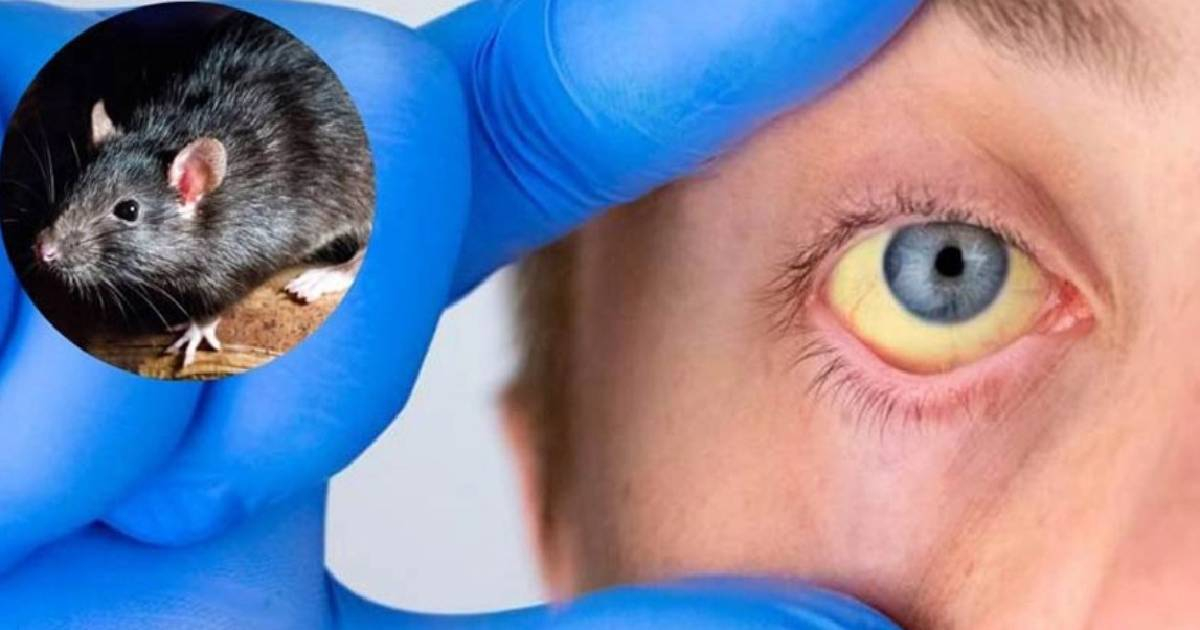
Leptospirosis is caused by the Leptospira questioning bacteria and can infect humans and a variety of animals, including dogs and rodents. The bacteria enters the body through skin abrasions or mucous membranes, attacking organs like the liver and kidneys. Transmission occurs through contact with infected urine.
Symptoms of leptospirosis include fever, jaundice (yellowing of the skin and mucous membranes), and pain in the calf muscles. Other symptoms can include headaches, muscle, joint, and bone pain, and bleeding. Health officials are urging residents not to delay seeking medical attention if these symptoms appear, as the disease can become complicated and require more intensive treatment.
Authorities are recommending preventative measures for those at higher risk, including rice farmers, individuals crossing flooded streams, animal breeders, and agricultural workers. These measures include wearing gloves and work boots, and frequent hand washing after potential exposure. Specific warnings have been issued against walking barefoot in muddy areas or unprotected in pig pens.
Beyond leptospirosis, Holguín is also experiencing an increase in febrile syndromes linked to the circulation of chikungunya and dengue serotype four, as reported on November 14. The province is currently focused on both recovering from the material damage caused by Hurricane Melissa and containing these potential outbreaks, particularly in vulnerable rural communities and among agricultural workers.
