
Next-Generation Telescope to Directly Image Perhaps Habitable Exoplanets
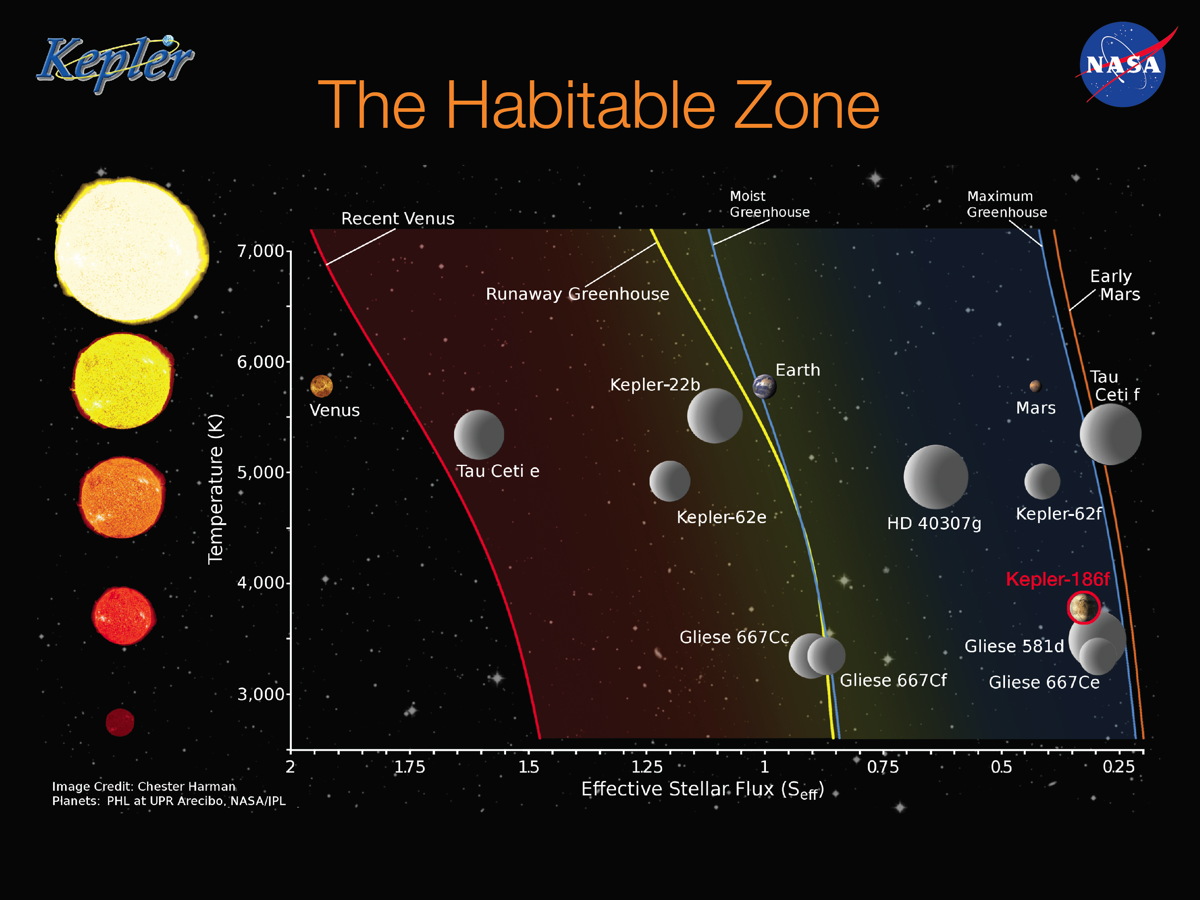
Scientists are poised to take a major leap in the search for life beyond Earth with the advancement of the Habitable Worlds Observatory, a space telescope specifically designed to image and analyze the atmospheres of Earth-sized planets orbiting sun-like stars. Targeted for launch in the 2040s, the observatory will directly observe exoplanets – planets outside our solar system – seeking chemical signatures indicative of habitability and potentially, life itself.
Currently under active scientific and engineering development, the Habitable Worlds Observatory will analyze starlight as it passes through exoplanet atmospheres. Different molecules within these atmospheres absorb specific wavelengths of light, creating a unique “chemical fingerprint” detectable by the telescope’s instruments. By identifying gases like carbon dioxide, methane, water vapor, and oxygen, scientists hope to gain insight into the processes shaping these distant worlds.
This approach builds upon the increasing capabilities of existing telescopes to observe exoplanet atmospheres. Combined with the Habitable Worlds Observatory, researchers may soon determine whether the planetary processes regulating Earth’s climate are common throughout the galaxy or unique to our planet. The observatory represents a important advancement in the ongoing effort to understand the prevalence of habitable worlds and the potential for life beyond Earth.
