
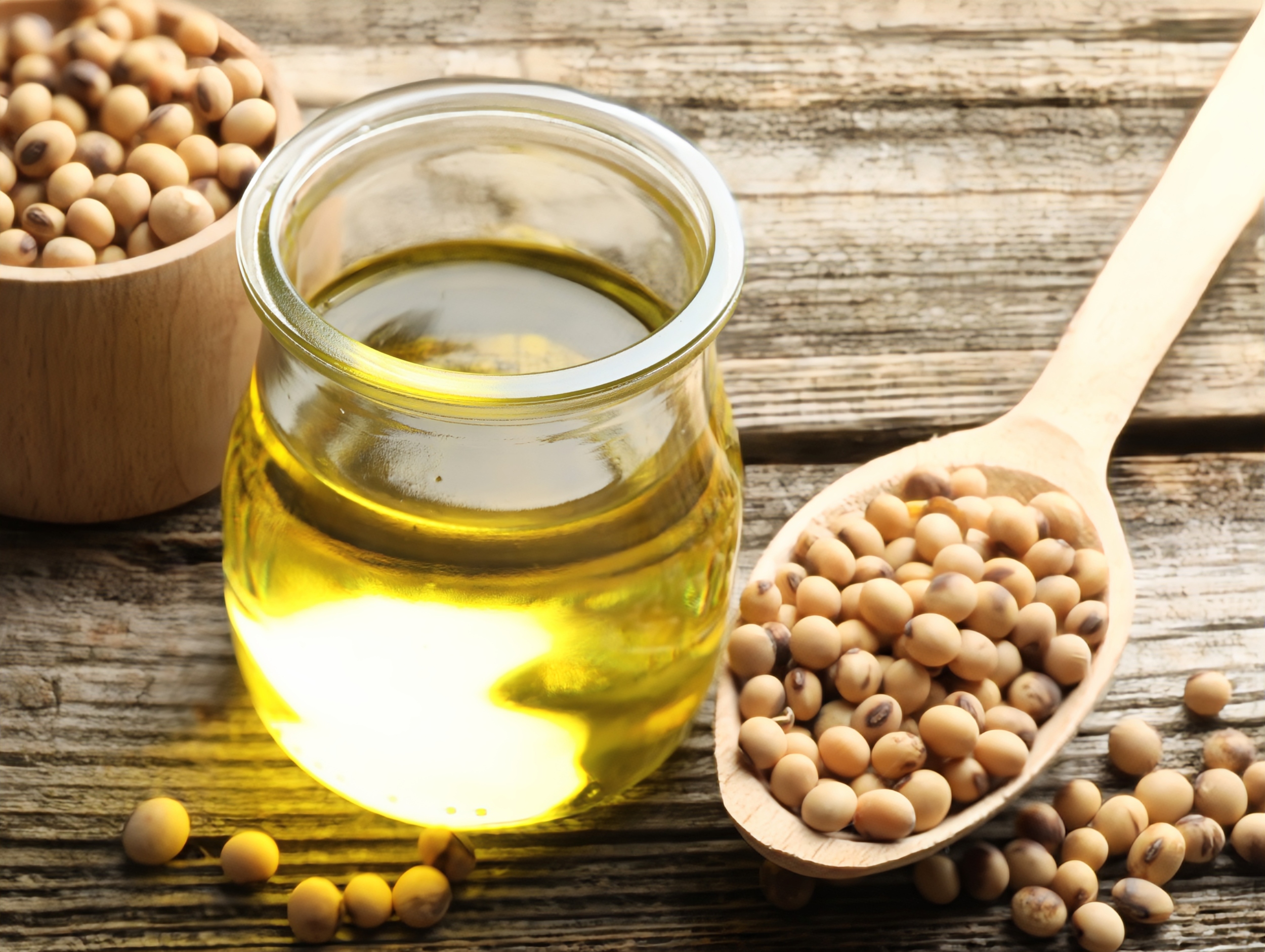
Soybean Oil Linked to Unexpected Weight Gain, mouse Study Reveals
DAVIS, CA – A new study from the University of California, Davis, suggests that high consumption of soybean oil may unexpectedly promote weight gain, not through its fat content, but through its metabolic effects within the body. Published in the journal of Lipid Research, the research identifies specific molecules, called oxylipins, produced after the body processes linoleic acid in soybean oil, as key drivers of increased fat storage.
Researchers engineered mice to carry fewer cholesterol esters on a soybean oil diet. Thes mice exhibited lighter, healthier livers with reduced stress compared to regular mice. Crucially, the engineered mice did not show the steep increases in four specific oxylipins observed in the regular mice – oxylipins identified as strong predictors of obesity. Attempts to block one enzyme in the oxylipin pathway did not result in weight loss, helping researchers pinpoint which oxylipins are most influential.
Soybean oil consumption in the United States has risen dramatically over the last century, now accounting for nearly ten percent of average daily calorie intake, largely through ultra-processed foods. While soybean oil contains no cholesterol, the study found it raised cholesterol levels in the mice.
“Soybean oil isn’t inherently evil,” stated researcher Stephen Sladek.”But the quantities in which we consume it are triggering pathways our bodies didn’t evolve to handle.”
A comparison with coconut oil revealed regular mice gained more weight on soybean oil, while the engineered mice showed no difference in weight gain between the two oils. This indicates the engineered mice’s resistance stemmed from their altered response to soybean oil’s chemical effects, rather than overall fat intake.
The study also noted lower levels of certain obesity-linked cytokines and higher levels of DHA, a calming fatty acid, in the engineered mice. Researchers resolute that the problem isn’t linoleic acid itself, but rather the oxylipins created from it, which shift metabolism towards fat storage.
Sladek drew a parallel to the delayed recognition of tobacco’s health risks, stating, “It took 100 years from the first observed link between chewing tobacco and cancer to get warning labels on cigarettes. We hope it won’t take that long for society to recognize the link between excessive soybean oil consumption and negative health effects.”
While human studies are yet to be conducted, the research underscores the importance of considering what the body does with food, not just the food itself.
