
Lightning Detected on Mars: NASA Rover Records Electrical Activity
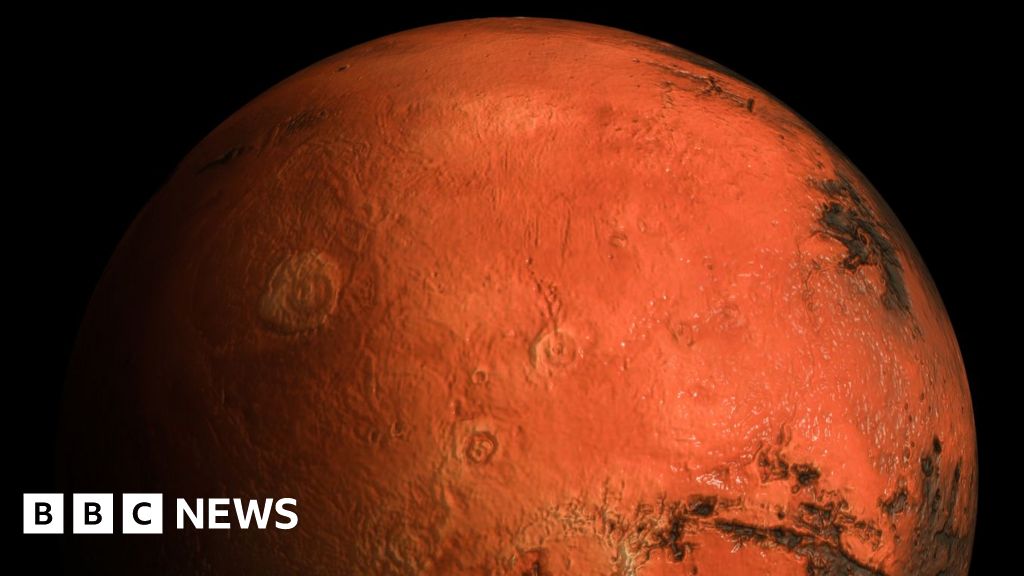
PASADENA,CA – NASA’s Perseverance rover has potentially detected electrical activity in the Martian atmosphere,suggesting the planet experiences lightning,scientists announced today. The findings, based on analysis of recordings from the rover’s SuperCam instrument, mark a significant step in understanding the Red Planet’s atmospheric processes and potential for past – and perhaps even present – habitability.
The research team, led by Dr. Baptiste Chide at the Institute for Research in Astrophysics and Planetology in France, analyzed 28 hours of audio recordings collected by Perseverance over two Martian years – a period equivalent to 1,374 Earth days. They identified electrical discharges, dubbed “mini lightning,” often coinciding with dust devils and dust storm fronts. Dust devils, small whirlwinds created by rising hot air, can generate these discharges through internal movements.
“These discharges represent a major discovery, with direct implications for Martian atmospheric chemistry, climate, habitability and the future of robotic and human exploration,” Dr. Chide told Reuters. The discovery places mars alongside Earth, Saturn, and Jupiter as planets known to exhibit atmospheric electrical activity.
While the recordings provide strong evidence, the discharges where detected through audio and electromagnetic readings, not visual confirmation. Particle physicist Dr. Daniel Pritchard, writing in Nature, acknowledged the persuasive nature of the evidence but noted, “some doubt will inevitably remain as to whether this really was martian lightning.” He anticipates continued debate within the scientific community.
Perseverance landed in the Jezero Crater in 2021, tasked with searching for signs of past biology. The crater was selected due to evidence suggesting it once held a delta and liquid water, conditions potentially conducive to life.
This latest finding comes on the heels of another intriguing discovery in September, when Perseverance uncovered rocks bearing unusual markings – nicknamed “leopard spots” and “poppy seeds” – containing minerals potentially linked to ancient microbial life. NASA stated these features could represent the clearest signs of life yet found, tho natural geological processes remain a possible explanation.
Today, Mars is a cold, arid desert. However, evidence suggests it once possessed a thicker atmosphere and abundant water, making it a prime target in the search for extraterrestrial life. Scientists hope future missions equipped with instruments specifically designed to measure atmospheric discharges and more sensitive cameras will confirm these initial findings and further illuminate the electrical environment of Mars.
