
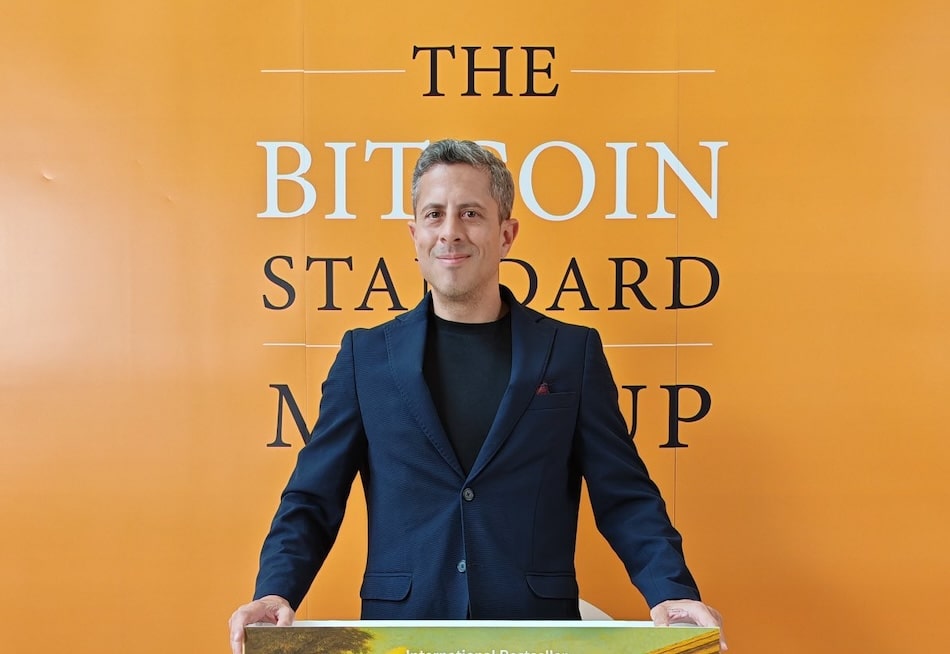
Bitcoin Advocate Questions Prioritization of Privacy over Monetary Soundness
NEW YORK, NY - Economist and Bitcoin proponent Saifedean Ammous has sparked renewed discussion within the cryptocurrency community regarding the relative importance of privacy versus the core principles of “hard money,” challenging the demand for privacy-focused cryptocurrencies like Zcash.
Ammous, author of The Bitcoin Standard, questioned whether the desire for untraceable transactions outweighs the need for a currency resistant to inflation and government control. In a recent interview with Cointelegraph, he posed the central question: “How much demand is there for money that does not get debased versus how much demand is there for money that allows you to maintain your privacy?”
His critique of Zcash included concerns over its 2016 trusted setup and its verifiability, noting, “As I understand, the anonymity benefits come at the expense of the auditability benefits.” Ammous suggests that achieving true on-chain privacy is increasingly arduous.
The debate quickly gained traction on social media. Helius co-founder Mert Mumtaz countered that privacy and hard money are not mutually exclusive, arguing both can and should coexist. Digital Currency Group founder Barry Silbert remarked,”I’m old enough to remember when all hardcore Bitcoiners cared about privacy.Fortunately, many still do.” Zooko Wilcox, co-founder of Zcash, pointed out that Bitcoin’s public blockchain allows tracking of fundraising transactions, highlighting limitations to on-chain privacy even within the leading cryptocurrency.
Ammous acknowledged the evolution of privacy features within the blockchain space, suggesting layer-2 protocols offer a viable path for Bitcoin users seeking greater anonymity without compromising the core blockchain’s integrity. “On the issue of privacy, it’s interesting how it’ll evolve… people can get the privacy they want on second layers and I don’t think it compromises it,” he stated.
Ultimately, Ammous believes monetary soundness-a currency’s resistance to debasement-should take precedence. “I think people would rather have hard money that is not private, over easy money that is private,” he argued, asserting that the demand for privacy in money is often overstated to promote choice cryptocurrencies. He concluded that bitcoin’s fixed supply and resistance to inflation are the primary attributes driving its value as a sound monetary asset.
