
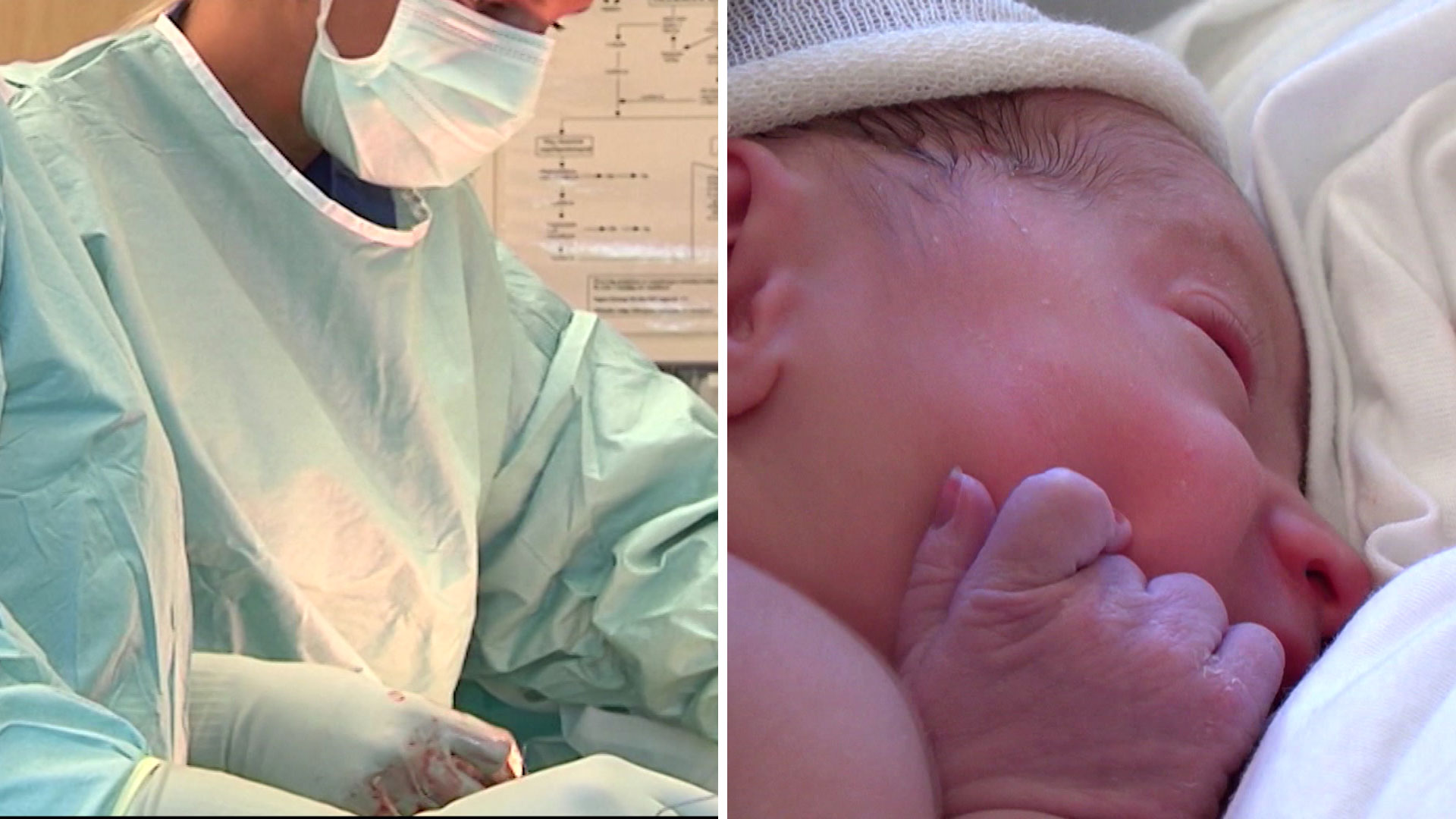
ADHD Linked to Slightly Higher Rate of planned Cesarean Sections, New Study Finds
STOCKHOLM, SWEDEN - Women diagnosed with Attention-Deficit/Hyperactivity Disorder (ADHD) exhibited a slightly higher probability of delivering via planned Cesarean section, according to a new Swedish study examining data from 2006 to 2020. Researchers found the association remained even after accounting for factors like age, education, psychiatric diagnoses, and smoking.
The study,conducted by a team including Anneli Andersson,challenges previous assumptions about childbirth risks for women with ADHD. While earlier research suggested increased risks of premature birth and other complications, the current findings indicate these associations largely disappear when considering co-occurring conditions and lifestyle choices.
“ADHD itself was thus linked to an increased proportion of planned cesarean sections,” Andersson stated.
The research team analyzed a large dataset of births, differentiating between women with and without ADHD diagnoses. They discovered that children born to mothers with ADHD were also more likely to be larger than expected for gestational age, potentially influencing decisions regarding Cesarean sections. However, researchers emphasize they cannot definitively determine a causal link.
“We cannot determine the cause, but sence the fetus often grows more than normal, it can affect the decision about a planned caesarean section. It could thus be about medical reasons linked to the child’s size,” Andersson explained.
Importantly, the study utilized clinical diagnoses of ADHD, rather than relying on medication use, providing a more robust and nuanced understanding of the issue.Researchers hope the findings will alleviate concerns among women with ADHD and encourage a more extensive approach to maternal healthcare.
“The result means that we need to nuance the view of risks linked to ADHD and pregnancy. Hopefully it can calm women who have an ADHD diagnosis,” Andersson said.
The research group advocates for early screening and intervention for women with ADHD, focusing on addressing common comorbidities like anxiety, depression, bipolar disorder, and substance abuse, as well as providing support for lifestyle factors such as smoking cessation. “women with ADHD frequently enough need extra support,” Andersson concluded. “It is about detecting and treating anxiety, depression and substance use in time.”
