
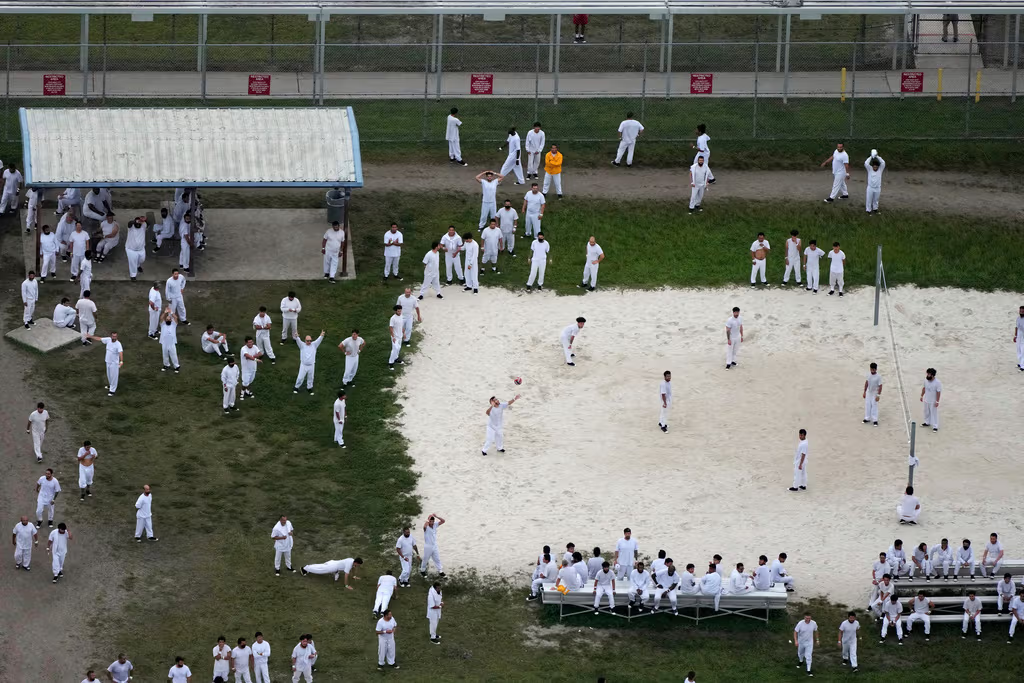
California Judge Rules immigrants Detained in U.S. operations Entitled to Bail Hearings
Table of Contents
A federal judge in California has delivered a significant ruling in favor of immigrant rights, possibly impacting thousands currently detained within the United States. Judge Sunshine S. sykes of the Central District of California certified a nationwide class action lawsuit this tuesday, affirming a prior decision that deemed the government’s policy of denying bond hearings to migrants detained during immigration enforcement operations unlawful.
The core of the dispute centers around the interpretation of federal immigration law regarding “applicants for admission.” Traditionally, this term applied to individuals attempting to enter the U.S.However, last July, the government broadened its interpretation to include undocumented immigrants already residing within the country, effectively subjecting them to mandatory detention without a bond hearing while their deportation cases are processed.
Judge Sykes firmly rejected this expanded interpretation, emphasizing a clear legal distinction between recent arrivals and those already established within the U.S. Her ruling effectively restores the right to a bail hearing for many immigrants apprehended during interior enforcement operations.
This decision could lead to the release of a substantial number of immigrants currently held in detention, pending their deportation proceedings. While the full scope of the impact is still unfolding, legal experts anticipate a significant shift in how immigration detention is handled within the country.
Background and Context
the debate over immigration detention and the right to a bond hearing has been ongoing for years. Concerns have consistently been raised regarding the fairness and necessity of prolonged detention, notably for individuals who pose no flight risk or threat to public safety. This ruling represents a key victory for advocates who argue that denying due process through the denial of bond hearings is a violation of basic rights.
Recent trends in immigration enforcement have seen an increase in interior enforcement operations, targeting undocumented immigrants living within the U.S. This shift has heightened concerns about the potential for widespread detention and the impact on families and communities.
Frequently Asked Questions
- What does this ruling mean for immigrants currently in detention?
- This ruling means that thousands of immigrants detained during interior enforcement operations may now be eligible for a bond hearing,potentially leading to their release while their deportation cases are processed.
- Who is Judge Sunshine S. Sykes?
- Judge Sunshine S.Sykes serves on the Central District of California and made the ruling in favor of the class action lawsuit.
- What is the difference between “applicants for admission” and undocumented immigrants already in the U.S.?
- Federal immigration law traditionally defined “applicants for admission” as those attempting to enter the U.S. The government’s recent interpretation attempted to broaden this definition to include those already residing in the country, a move Judge Sykes rejected.
- Will this ruling affect border enforcement?
- The ruling specifically addresses interior enforcement operations. The impact on enforcement at the border remains to be seen, but the decision could set a precedent for future legal challenges.
- Is this the final word on the matter?
- It is indeed possible the government will appeal the ruling. The situation is still developing.
