
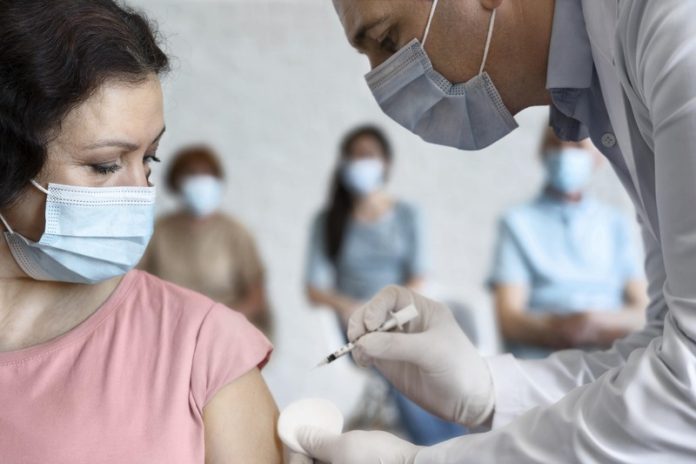
France Lags Behind on HPV Vaccine Uptake Despite Proven Effectiveness
Table of Contents
Paris, France - France continues to grapple with stubbornly low rates of Human Papillomavirus (HPV) vaccination, years after the vaccine’s introduction and despite its demonstrated efficacy in preventing cervical and other cancers.While other European nations have achieved widespread immunization,france’s rollout has been hampered by organizational hurdles,a lack of public awareness,and the insidious nature of the disease itself.
The slow adoption of the HPV vaccine represents a meaningful public health challenge. Cervical cancer, largely caused by HPV, remains a concern for women globally, but is largely preventable through vaccination and screening. France’s lagging vaccination rates mean a continued risk for future generations and a persistent need for vigilant cancer screening programs.
France Has Historically Faced Organizational Barriers to Vaccination
Until recently, accessing the HPV vaccine in France involved a complex process: a doctor’s appointment, a prescription, and a seperate trip to the pharmacy for the shot, frequently enough requiring another consultation. these administrative and logistical obstacles discouraged many families. The introduction of school-based vaccination programs in 2023 aimed to simplify the process,but the full impact of this change will take time to materialize across adolescent populations.
an “Invisible” Cancer Struggles to Gain Public Attention
A key factor contributing to vaccine hesitancy is the nature of HPV-related cancers. Unlike more visible and rapidly developing illnesses, cervical cancer is often asymptomatic in its early stages, growing slowly and silently. This lack of immediate threat makes it challenging to mobilize public awareness and encourage preventative measures. The subtle nature of the disease requires a greater anticipatory effort from both parents and society, a challenge in a world saturated with competing demands.
NOTE: Even with vaccination, women must continue regular cervical cancer screenings. The HPV vaccine does not protect against all strains of the virus, making ongoing screening from age 25 crucial, as recommended by the Haute Autorité de Santé (HAS) and Public Health France.
