
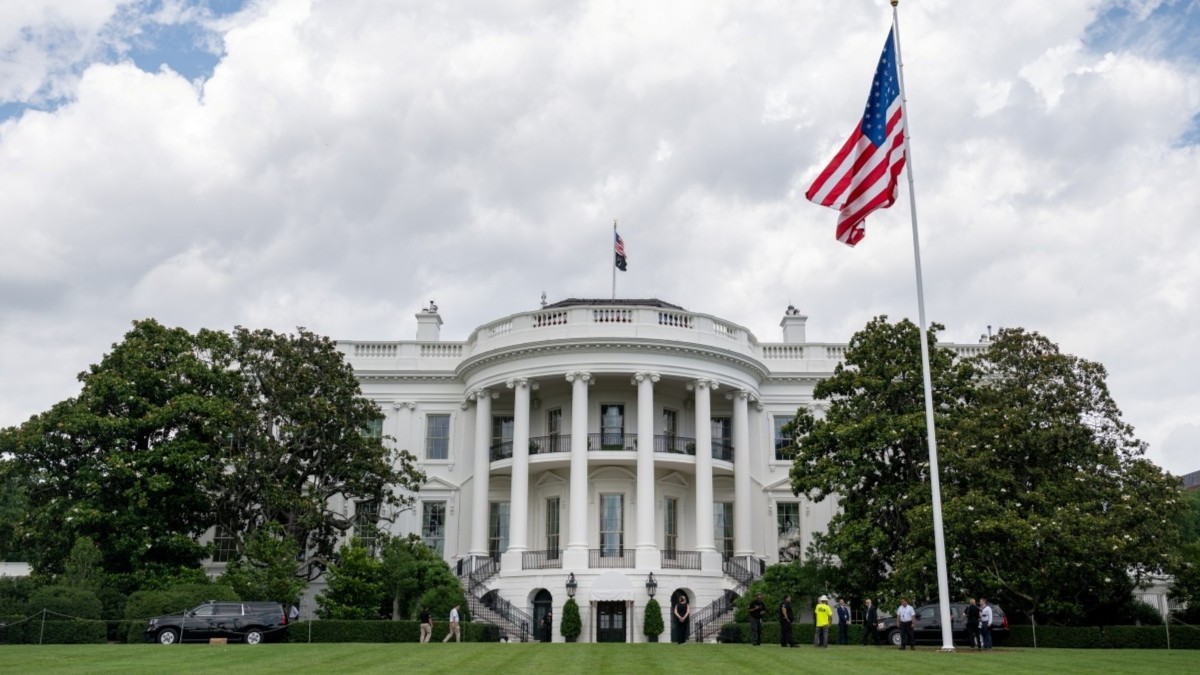
Washington, D.C. – A bipartisan bill designed to restrict teh export of advanced artificial intelligence chips to China is reportedly stalled in the White House,raising concerns it could undermine the governance’s stated goals of both promoting U.S. AI leadership and controlling sensitive technology transfers. The GAIN AI Act, which passed the House Select Committee on the Chinese Communist Party with broad support, aims to deny China access to cutting-edge semiconductors crucial for developing AI capabilities.
However, opponents of the bill, including some within the administration, fear a statutory mandate would be too rigid, eliminating adaptability in managing exports to non-U.S. markets and potentially hindering deployments to strategic allies-a priority of the administration’s AI Exports Program. critics argue the bill represents a “blunt instrument” that would treat all non-U.S. markets identically.
The legislation garnered support from major U.S. cloud providers after months of negotiation balancing national security concerns with industry needs regarding allied market access.Despite this compromise, its current predicament-reportedly due to White House intervention-has led to accusations that the administration might potentially be prioritizing the profits of chip design firms over strategic competition with China.
Ryan Fedasiuk, a fellow at the American Enterprise Institute and former advisor at the U.S. Department of State, argues the bill, while imperfect, is superior to any likely alternative and preferable to the current “incoherent middle ground” of together promoting U.S.AI exports while aiding Chinese competitors. He suggests the administration either lacks understanding of the bill’s intent or is willing to allow sales to China due to premium pricing.
